Pad Mounted Transformer Approval Process: From Utility Requirement to Factory Production and Delivery
Pad mounted transformer procurement should follow a clear approval process. Buyers should confirm utility requirements, kVA or load data, drawings, technical parameters, documents, testing and delivery before production.
Purchasing a pad mounted transformer should not start and end with a quick price request. Many buyers first ask how much a 500 kVA or 1000 kVA pad mounted transformer costs, but a real project needs a clearer approval process before production.
A stronger process starts with project country or region, local utility requirements, kVA or total connected load, drawings, site layout, technical parameters, document requirements and delivery plan. If these details are not confirmed early, the project may face wrong voltage, unsuitable BIL or impedance, wrong cable entry direction, site rework, missing accessories, incomplete test reports or installation difficulty after arrival.
Key Takeaways
- Pad mounted transformer procurement should begin with project country or region, local utility requirements, application scenario and delivery time.
- If the exact kVA is not confirmed, buyers can provide total connected load, major equipment list or load schedule.
- Before formal quotation, buyers should review drawings, nameplate photos, site layout, cable entry direction, fire lane requirements, utility documents and technical parameters.
- Technical confirmation usually includes primary voltage, secondary voltage, phase, frequency, BIL, impedance, loop or radial feed, winding material, grounding, protection and accessories.
- Price is also affected by winding material. Copper winding, aluminum winding or copper-aluminum mixed solutions may lead to different cost, losses, weight, temperature rise, delivery schedule and total cost of ownership.
- The factory is equipped with an impulse voltage generator to support lightning impulse withstand testing and high-voltage insulation verification when required by BIL, project standards or utility specifications.
- Before shipment, products must complete the required inspection, testing, report review and release process according to the confirmed project requirements.
- Quotation should be based on a clear technical basis, not only kVA comparison.
- Before production, buyers should confirm technical data sheet, outline drawing, nameplate data, accessory list, testing requirements, packing requirements and delivery plan.
- Even if there is no immediate purchase demand, buyers are welcome to contact TransformerGrid early so both sides have enough time to review project details.
Why a Clear Approval Process Matters
A transformer is not a simple standard commodity. It affects power supply safety, installation conditions, utility review, long-term operation and delivery planning. Whether a pad mounted transformer is suitable for a project depends on local utility requirements, project voltage level, load type, site layout, cable entry direction, protection and grounding requirements, BIL, impedance, accessories, documents, testing requirements, destination country and delivery cycle.
Step 1: Confirm Project Country, Region and Utility Requirements
The first step is not only kVA. Buyers should confirm the project country or region, local utility or grid operator, and whether official technical documents or connection requirements are available. Local requirements may affect primary voltage, secondary voltage, frequency, BIL, impedance, feed configuration, grounding, protection, nameplate, test reports, drawings and documentation.
| Item | What Local Utility Requirements May Affect |
|---|---|
| Primary / secondary voltage | Grid-side and load-side voltage |
| BIL and impedance | Insulation level, fault current and protection coordination |
| Feed configuration | Loop feed or radial feed |
| Grounding and protection | X0 grounding, fuses, arresters and switching devices |
| Documents | Nameplate, drawings, routine test report and delivery files |
Step 2: Confirm kVA or Total Connected Load
Many buyers do not know the exact kVA at the beginning. If the final kVA is not confirmed, buyers can provide total connected load, major equipment list, motor power, HVAC load, elevator load, pump load, EV charging power, cold storage or data center load, solar or storage expansion plan, or a load schedule.
Step 3: Review Drawings, Nameplate Photos and Site Layout
For a new project, useful information includes site layout, electrical single-line diagram, transformer location, concrete pad plan, cable trench direction, HV/LV cable entry direction, fire lane and emergency access layout, utility connection point, load-side location and future expansion area. For replacement projects, old transformer nameplate photos and site photos are often the fastest starting point.
Step 4: Confirm Technical Parameters Before Quotation
Before formal quotation, buyers should confirm transformer type, kVA rating, primary voltage, secondary voltage, phase, frequency, BIL, impedance, loop or radial feed, winding material, grounding, protection, accessories, cable entry, site conditions, destination country and delivery schedule.
Winding material is not only a technical choice. Copper winding, aluminum winding and copper-aluminum mixed solutions may differ in initial cost, losses, weight, temperature rise, delivery schedule and TCO. Before quotation, buyers should clarify whether the project requires copper winding, aluminum winding, or whether the engineering team can review a more economical solution based on application and budget.
Step 5: Quotation Based on Confirmed Technical Basis
TransformerGrid does not recommend comparing pad mounted transformer price by kVA alone. Two suppliers may both quote a 1000 kVA unit, but voltage, BIL, impedance, feed configuration, winding material, accessories, test reports, enclosure structure, packing method, delivery schedule and utility document review may be different.
Price may also be affected by copper price, aluminum price and winding material selection. In some projects, when buyers expect copper or aluminum prices to rise, earlier technical confirmation and earlier contract signing may help lock in a more favorable quotation before raw material prices increase further. This is most practical when project parameters, utility requirements, drawings, winding material, accessories, testing documents and delivery schedule have already been largely confirmed.
TransformerGrid recommends that buyers do not wait until the project is close to delivery before starting the quotation process. Earlier communication gives both sides more time to review copper and aluminum price factors, production schedule, shipping timing and project documentation.
Step 6: Buyer Reviews Drawings and Documents
After the quotation basis is clear and before production begins, buyers should review the supplier’s technical documents, including technical data sheet, outline drawing, compartment drawing, nameplate data, accessory list, test plan, routine test report format, packing requirement and delivery schedule.
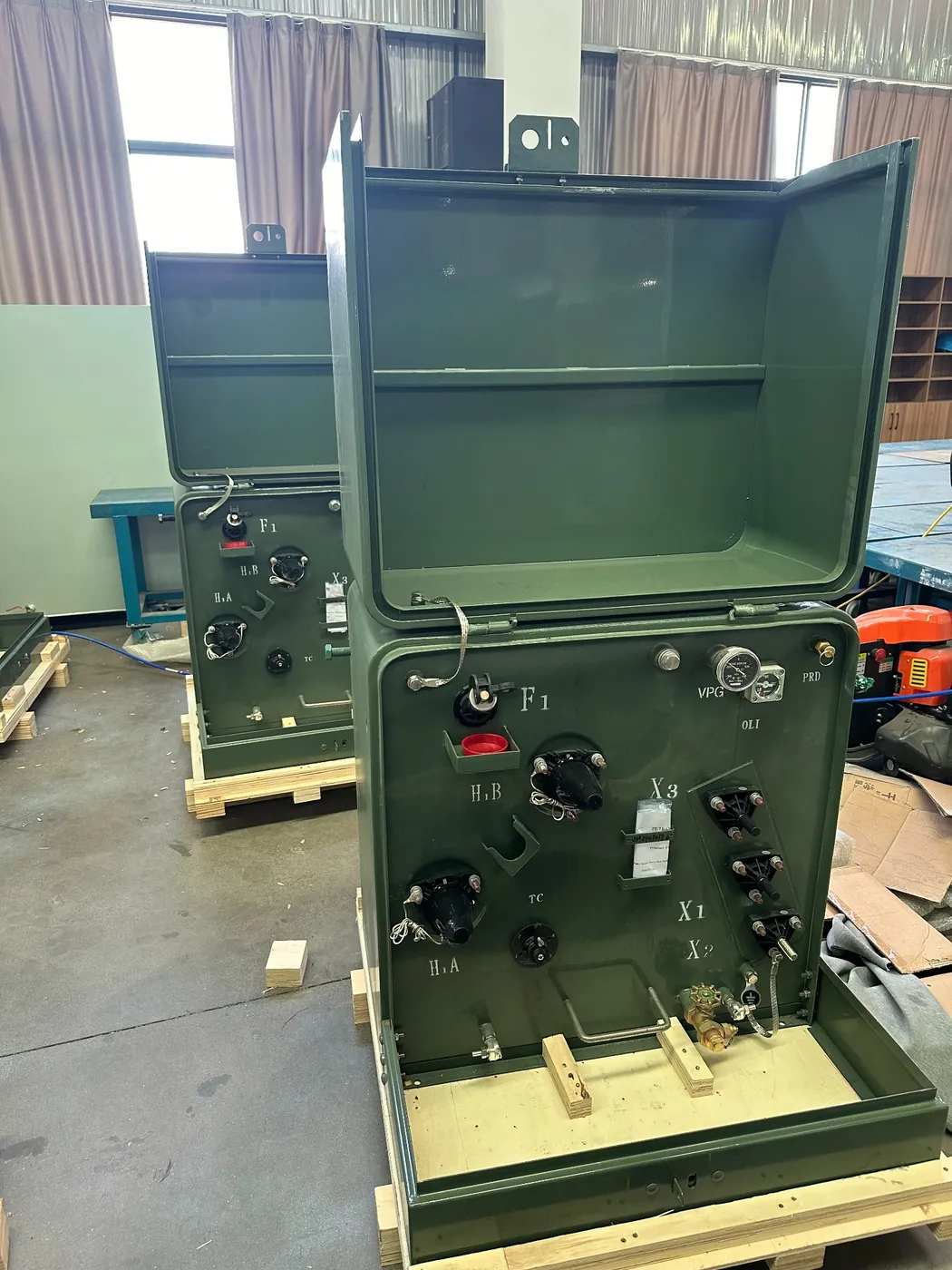
| Document | Purpose |
|---|---|
| Technical data sheet | Confirm kVA, voltage, BIL, impedance, losses and accessories |
| Outline drawing | Confirm dimensions, foundation, installation and maintenance space |
| Compartment drawing | Confirm HV/LV compartments, cable entry and operation side |
| Nameplate data | Confirm nameplate content |
| Accessory list | Confirm fuse, arrester, gauge, valve, tap changer and other devices |
| Test plan and packing requirement | Confirm testing, delivery documents and export packing |
Step 7: Production, Factory Inspection and Testing
After technical documents are confirmed, the factory can move into production. The process may include material preparation, core and winding manufacturing, insulation treatment, tank and enclosure fabrication, assembly, oil processing or related procedures, accessory installation, factory testing and packing. Buyers should care whether the factory can produce according to confirmed documents, maintain quality control and provide testing documents.
Factory Testing: Impulse Voltage Generator and Multi-Step Review
The cooperative factory is equipped with its own impulse voltage generator, which can support lightning impulse withstand testing and high-voltage insulation verification for transformer projects with defined BIL, project-standard or utility testing requirements.
An impulse voltage generator is used to simulate short-duration high-voltage transient conditions, such as lightning overvoltage or switching overvoltage that may occur in a power system. When a project requires this type of test, it helps verify whether the transformer insulation system can withstand the required impulse level.
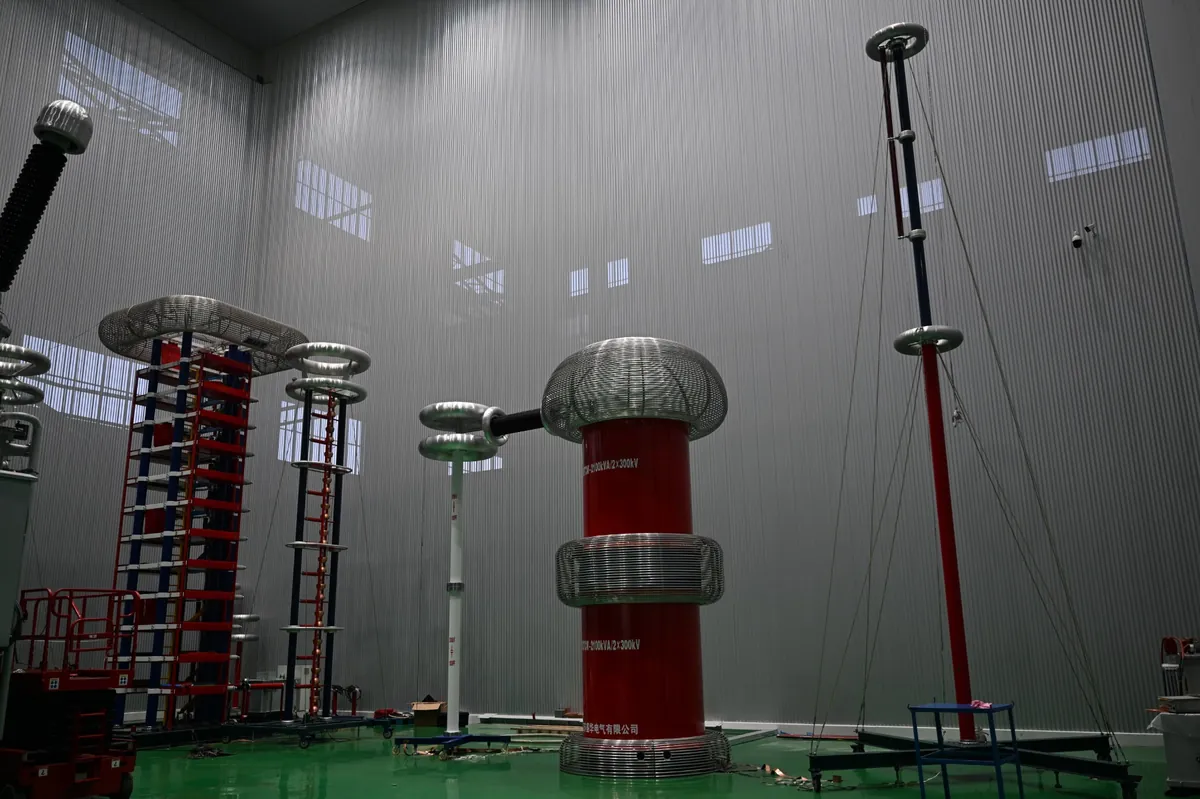
For overseas buyers, this testing capability is important because many utility and infrastructure projects require clear discussion of BIL, insulation level, test documents and factory quality control before procurement. It supports stricter project communication for utilities, hospitals, data centers, industrial parks, airports, ports, renewable energy projects and other critical power distribution applications.
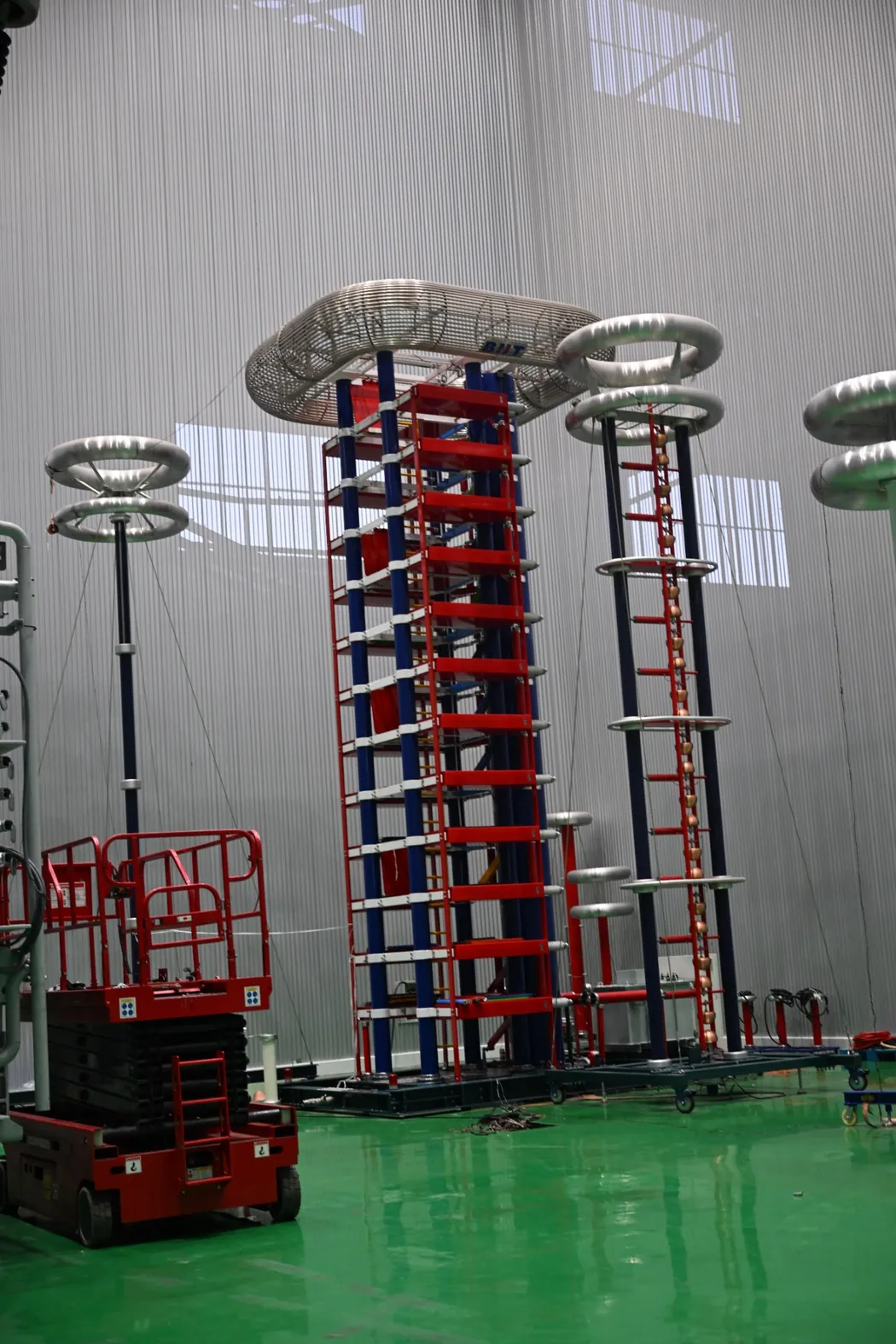
Testing language should be handled accurately. Not every project requires the same test items. Specific tests should follow the applicable standard, project documents, utility specifications and buyer requirements. However, before shipment, each product must complete the required factory inspection, testing, document review and release process according to the confirmed project basis.
Test results and release documents are reviewed through multiple quality-control steps. Engineering, quality inspection and responsible review personnel check whether the test results, technical documents, nameplate data, accessory configuration and appearance inspection meet the confirmed requirements before the product is released for delivery.
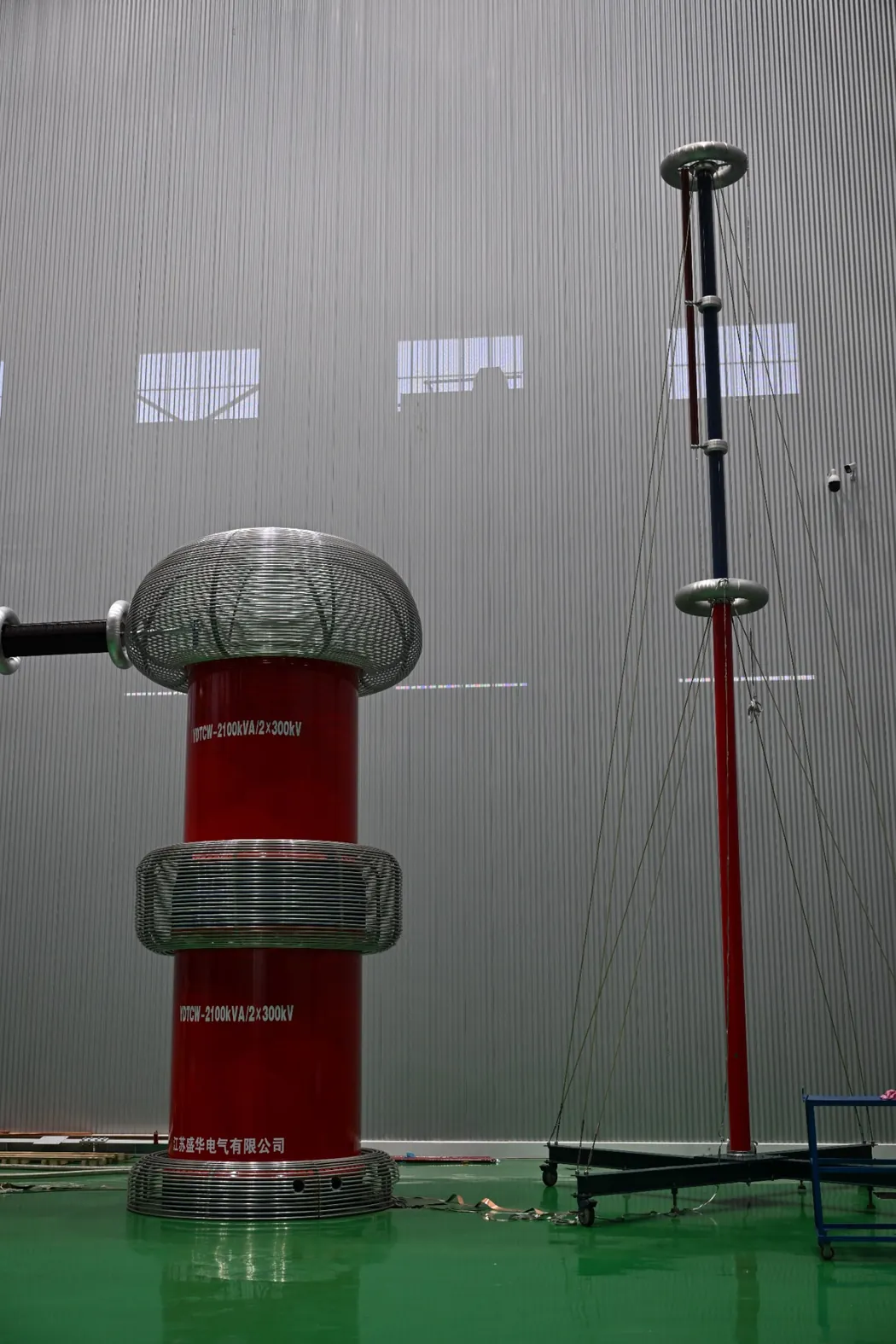
In practical terms, the goal is not simply to finish production. The goal is to ship only after the required inspection, test report review and release procedure is completed. This is why buyers should confirm standards, drawings, BIL, impedance, accessories, test documents and delivery requirements before production begins.
Step 8: Packing, Shipping and Delivery Coordination
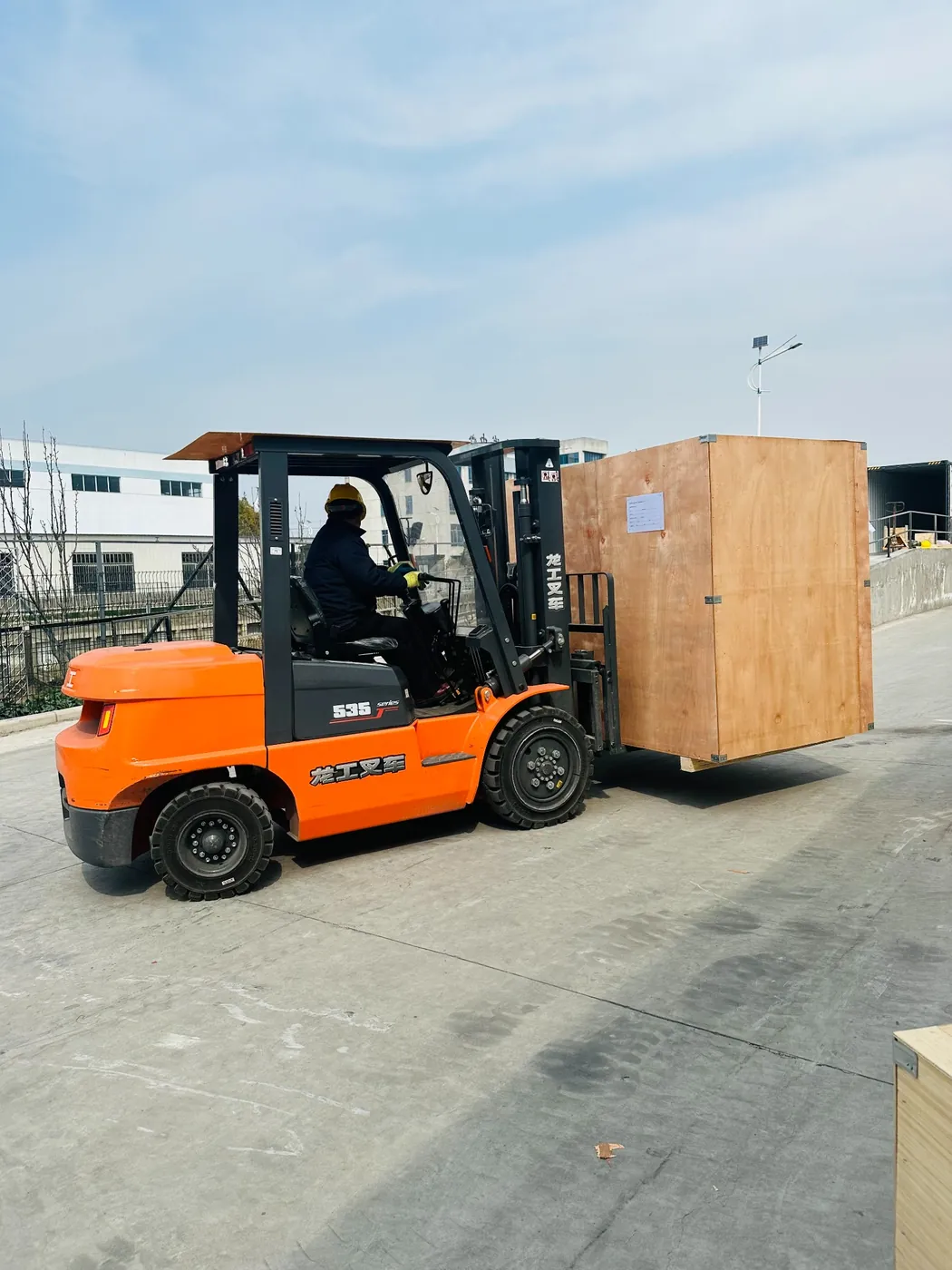
Transformers are not small parcel products. Packing and delivery planning can affect project risk. Buyers should confirm destination country, port or delivery point, packing method, moisture protection, impact protection, fixing method, weight and dimensions, lifting points, shipping time, customs documents, site arrival time and unloading conditions.
Step 9: Early Communication for Future Projects
Purchasing a transformer is not a small decision. TransformerGrid welcomes buyers to contact us early, even when there is no immediate purchase demand. Buyers can start with project country or region, application, local utility documents, expected kVA, total connected load, major equipment list, primary voltage, secondary voltage, phase, frequency, site drawings, old nameplate photos, delivery requirement and future expansion plan.
Early communication gives both sides more time to confirm technical details, find local utility documents, review drawings, discuss delivery, respond to copper and aluminum price changes, and reduce unexpected issues.
Have a pad mounted transformer project to review?
Email: [email protected]
WhatsApp: +86 176 8746 9988
How TransformerGrid Supports This Process
TransformerGrid helps overseas buyers clarify project country or region, local utility requirements, kVA or total load, voltage and frequency, drawings and nameplate data, site layout, cable entry direction, BIL, impedance, winding material, accessories, testing documents, packing and delivery plan before quotation. If buyers already have complete documents, TransformerGrid can move faster toward a precise quotation. If documents are not complete, we can still start with preliminary technical communication and help identify what should be confirmed next.
FAQ
Q1: Why should pad mounted transformer procurement not start with price only?
Because price must be based on a clear technical basis. kVA, voltage, BIL, impedance, feed configuration, accessories, testing documents, destination country and delivery time all affect the final quotation.
Q2: Can buyers contact TransformerGrid if the exact kVA is not confirmed?
Yes. Buyers can provide total connected load, major equipment list, load schedule, project country, voltage and application scenario.
Q3: Why are local utility requirements important?
Local utility requirements may affect voltage, BIL, impedance, grounding, protection, nameplate data, test reports, drawings and delivery documents.
Q4: What should be sent first for a transformer replacement project?
Old transformer nameplate photos, site photos, front and side photos, compartment photos, replacement reason and required delivery time are useful starting points.
Q5: What documents should buyers review before production?
Buyers should review technical data sheet, outline drawing, compartment drawing, nameplate data, accessory list, test plan, packing requirement and delivery schedule.
Q6: Can buyers contact TransformerGrid before final drawings are ready?
Yes. TransformerGrid encourages early communication even if drawings are not complete.
Q7: Can parameters be changed after production starts?
Some minor details may be adjustable, but key parameters such as voltage, capacity, winding, BIL, impedance, structure, compartment layout and accessories may affect cost and delivery time if changed after production begins.
Q8: How can early signing help when copper or aluminum prices rise?
When technical details are mostly confirmed and buyers expect copper or aluminum prices to rise, earlier contract signing may help lock in a more favorable quotation before raw material prices increase further. This depends on project confirmation, supplier terms and market conditions.
Q9: What is the factory impulse voltage generator used for?
An impulse voltage generator is used to support lightning impulse withstand testing and high-voltage insulation verification when required by project standards, BIL requirements or utility specifications. It helps verify transformer insulation performance under short-duration high-voltage transient conditions.
Q10: Does every transformer need an impulse voltage test before shipment?
Specific test items should follow the applicable standard, utility specification, project documents and buyer requirements. Not every project requires the same test items. However, every product should complete the required inspection, testing, report review and release process before shipment according to the confirmed project basis.
Related Product and Procurement Guides
- Pad mounted transformer product page
- Pad mounted transformer utility requirements guide
- Pad mounted transformer cable entry direction guide
- Pad mounted transformer site planning guide
- Pad mounted transformer technical data sheet guide
- Pad mounted transformer testing documents and factory inspection guide
- Pad mounted transformer winding material guide
Final Takeaway
Pad mounted transformer procurement should move through a clear approval process. Buyers should first confirm the project country and utility requirements, then review kVA or total connected load, drawings, nameplate photos, site layout, technical parameters, testing documents, packing and delivery plan. TransformerGrid welcomes buyers to contact us early, even before a formal purchase demand exists.