Pad Mounted Transformer Winding Material: Copper, Aluminum and Copper-Aluminum RFQ Guide
Copper, aluminum and copper-aluminum winding options can affect transformer cost, losses, temperature rise, service life review, TCO and RFQ comparison. This guide explains what buyers should confirm before ordering a pad mounted transformer.
Key Takeaways
- Copper winding, aluminum winding and copper-aluminum configuration are not simple “good or bad” choices. They should be reviewed according to project standards, losses, temperature rise, short-circuit strength, budget and delivery schedule.
- Transformer service life is not decided by winding material alone. It depends on insulation system, temperature rise, loading condition, manufacturing quality, cooling design and installation environment.
- If the project load keeps increasing, buyers should review transformer capacity and consider a larger pad mounted transformer, an additional transformer, or a higher-capacity pole mounted transformer for safe long-term operation.
- For lower-requirement applications where standards allow and loss and temperature rise requirements are met, an economical aluminum winding solution may be more practical than paying for a higher-cost configuration the project does not need.
- If a quotation mentions copper-aluminum winding, buyers should ask the supplier to explain exactly which parts use copper and which parts use aluminum.
- Purchase price is only one part of the decision. A simple TCO review should also consider no-load loss, load loss, electricity price, loading profile, expected operating years and future expansion.
In many pad mounted transformer inquiries, buyers often ask a simple question:
Is this transformer copper winding or aluminum winding?
Some buyers believe copper winding is always better. Others see a lower aluminum winding quotation and assume the more economical option is enough. In some quotations, buyers may also see terms such as copper-aluminum winding or copper-aluminum configuration, which makes quotation comparison even more difficult.
For real power distribution projects, winding material should not be judged only by “expensive” or “cheap.” For a pad mounted transformer, winding material may affect initial purchase cost, no-load loss, load loss, temperature rise, size, weight, short-circuit mechanical strength, insulation design, factory testing requirements, delivery schedule, utility review and long-term operating cost.
That is why TransformerGrid does not recommend asking only: Copper or aluminum? A better question is: Which winding configuration matches the project standard, load condition, loss requirement, temperature rise limit, budget, delivery schedule and future load growth plan?
Why Buyers Should Not Compare Price Alone
Mason was responsible for procurement for a commercial park project. He was preparing to purchase several pad mounted transformers for office buildings, warehouse loads, outdoor lighting, pumps, HVAC equipment and possible future rooftop solar and energy storage expansion.
He received several quotations. At first glance, they all looked like similar pad mounted transformers with similar kVA, voltage and frequency. But the price difference was significant.
One quotation only said: Pad mounted transformer, specified kVA, specified voltage, 60Hz. Another quotation included more technical details such as winding material, no-load loss, load loss, temperature rise, impedance, BIL, cooling method, accessories, dimensions, weight and factory test report.
Mason first wanted to compare the total price. But his electrical consultant reminded him that if winding material, losses, temperature rise, BIL, impedance, accessories and testing requirements are different, the quotations are not describing the same transformer configuration.
More importantly, if the commercial park adds more load in the next few years, the team should also review whether the original transformer capacity will remain suitable for long-term operation. That is why Mason contacted TransformerGrid to clarify how copper winding, aluminum winding, copper-aluminum configuration, operating cost and future load growth should be reviewed before RFQ.
Definition: What Is Transformer Winding Material?
Transformer winding material refers to the conductor material used in transformer windings. Common terms include copper winding, aluminum winding, copper-aluminum winding, copper-aluminum mixed configuration, copper terminals with aluminum winding, HV aluminum / LV copper, or project-specific conductor arrangement.
The winding is one of the core parts of electromagnetic energy conversion in a transformer. When a quotation mentions copper winding, aluminum winding or copper-aluminum configuration, it is not only naming a material. It may also affect design structure, losses, temperature rise, impedance, short-circuit strength, weight, cost and delivery.
For procurement teams, the key question is not only “which one is better?” The better questions are: What standard does this project require? Does the utility or consultant specify winding material? What are the loss and temperature rise requirements? Is the project budget sensitive? Is the delivery schedule tight? Will the load increase in the future? Is winding material clearly written in the technical data sheet?
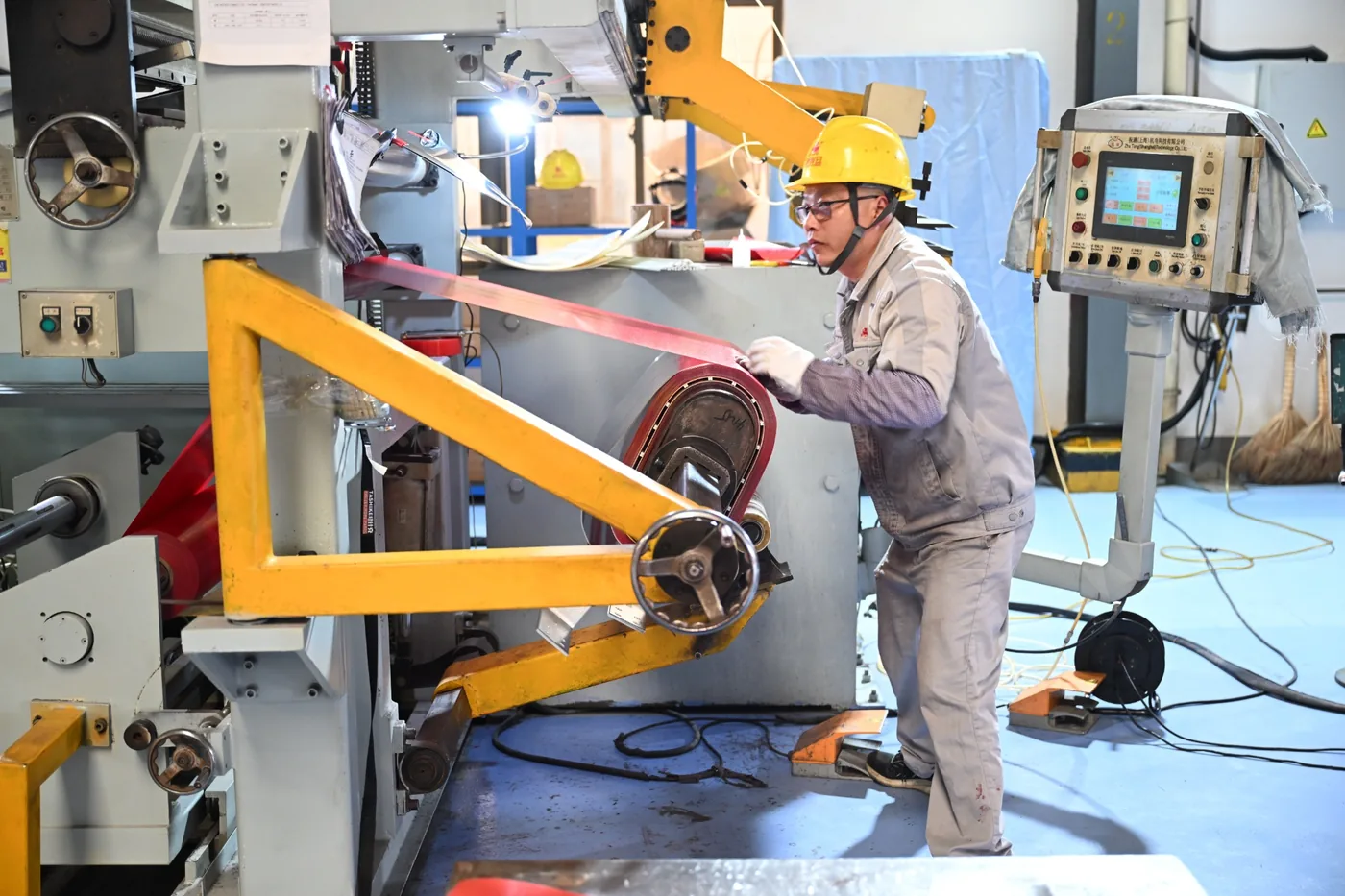
What Are the Typical Features of Copper Winding?
Copper has strong electrical conductivity and lower resistance per unit cross-section. In many designs, copper winding may help control losses, size and certain performance parameters.
Copper winding is often considered for higher-requirement power projects, projects sensitive to long-term losses, space-limited installations, applications requiring stronger short-circuit mechanical performance, critical power loads, projects where the utility or consultant specifies copper winding, and buyers with stricter internal procurement standards.
However, copper winding usually also means higher material cost, higher quotation, price sensitivity to copper market fluctuations, and the need to confirm material availability and production schedule.
Copper winding is not a universal answer. It is suitable for many higher-requirement projects, but it should still be reviewed together with kVA, voltage, losses, temperature rise, impedance, BIL, accessories, delivery schedule and future expansion planning.
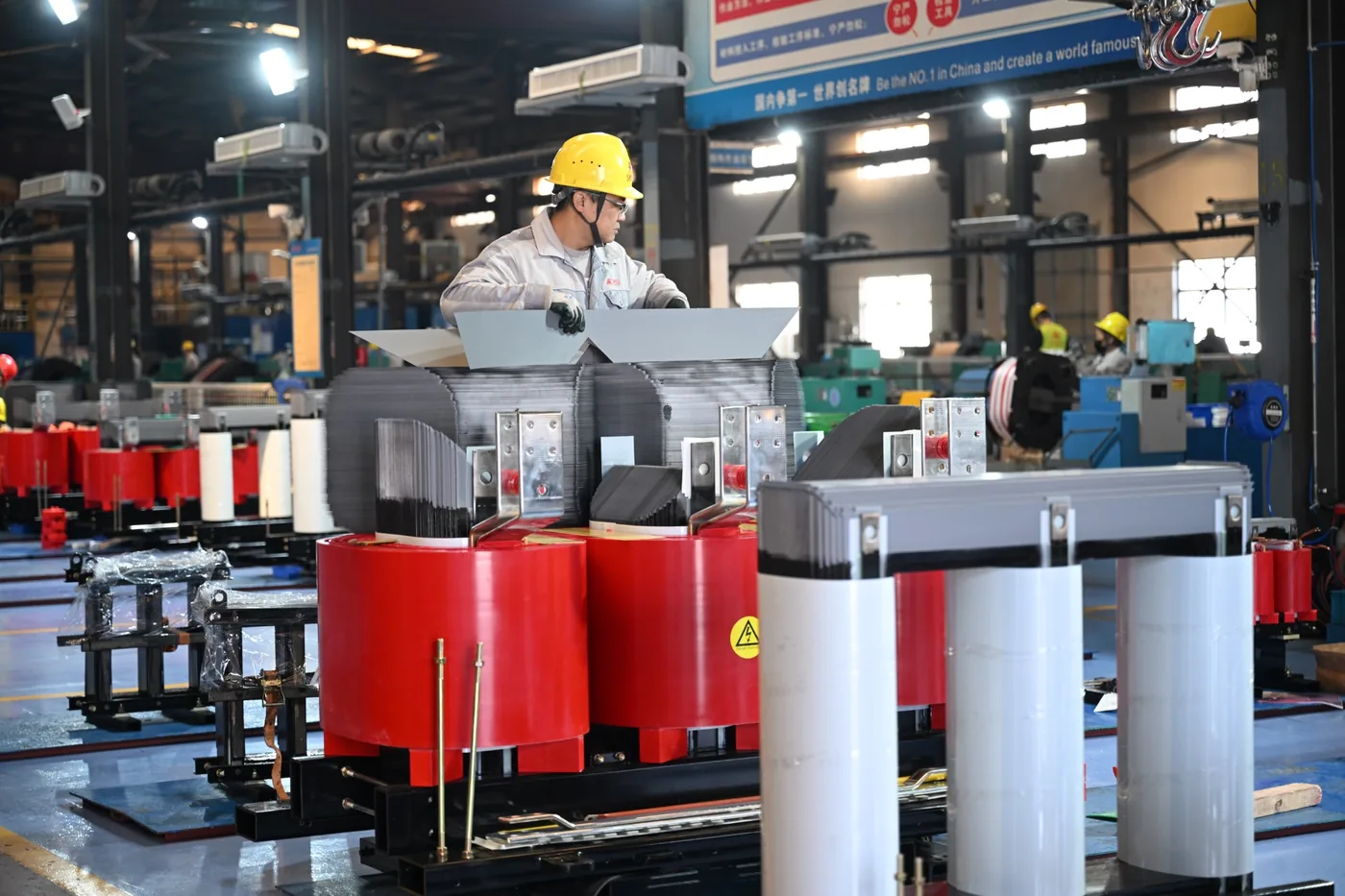
Is Aluminum Winding Always a Poor Choice?
No. This is a common misunderstanding among buyers: aluminum winding is not the same as low quality.
In many pad mounted transformer, oil-immersed transformer and distribution transformer projects, aluminum winding can also be designed and manufactured according to applicable standards and project requirements.
Typical advantages of aluminum winding may include more economical cost, lighter weight, better price competitiveness where standards allow, more practical use for budget-sensitive projects, and suitability for many ordinary distribution applications when design requirements are met.
Whether aluminum winding is suitable depends on whether the design can meet loss requirements, temperature rise requirements, insulation requirements, short-circuit withstand requirements, project standards, factory test report requirements, and the real load and installation environment.
For lower-requirement applications where the standard allows, the load is stable and the budget is sensitive, an economical aluminum winding solution may be more practical than paying for a higher-cost configuration the project does not actually need.
The real risk is not aluminum winding itself. The real risk is when a supplier does not explain material, losses, temperature rise, testing requirements or design basis, and only provides a low price.
What Does Copper-Aluminum Winding Mean?
In real quotations, buyers may see terms such as copper-aluminum winding, copper-aluminum mixed configuration, copper terminals with aluminum winding, or HV aluminum / LV copper. These terms should not be accepted only at face value.
They may mean that HV winding uses aluminum and LV winding uses copper, HV winding uses copper and LV winding uses aluminum, the main winding is aluminum but terminals or busbars use copper, copper-aluminum transition is used at certain connection points, or the supplier has not clearly described the actual conductor arrangement.
If a quotation mentions copper-aluminum winding, buyers should ask the supplier to explain whether the HV winding is copper or aluminum, whether the LV winding is copper or aluminum, whether terminals, leads or busbars are made of copper, whether there is any copper-aluminum transition connection, how connection heating and long-term reliability are handled, how winding material is written in the technical data sheet, and whether factory test documents support the final configuration.
For overseas buyers, the important point is not seeing the word “copper-aluminum.” The important point is understanding where copper and aluminum are used and whether the configuration meets the project standard, loss requirement, temperature rise requirement and operating environment.
Copper-Aluminum Configuration Questions Buyers Should Ask
A copper-aluminum configuration can be acceptable in some designs, but it must be described clearly. Buyers should not accept a vague phrase in the quotation without technical explanation.
| Question | Why It Matters |
|---|---|
| Is the HV winding copper or aluminum? | HV conductor material affects design structure, losses and temperature rise distribution. |
| Is the LV winding copper or aluminum? | LV winding current is often higher, so material and conductor sizing should be reviewed carefully. |
| Are terminals, leads or busbars copper? | Connection material affects heating, contact resistance and long-term reliability. |
| Is there a copper-aluminum transition point? | Transition connections should be designed to reduce heating and corrosion risk. |
| How is the transition connection treated? | Plating, transition connectors or suitable connection design may be required depending on the configuration. |
| Is the configuration shown in the technical data sheet? | The buyer needs a clear written record for comparison and approval. |
| Are temperature rise and loss values provided for this exact configuration? | Data should match the quoted design, not a different standard model. |
| Can the supplier provide factory test documents? | Test documents help support final acceptance and project review. |
The goal is not to reject copper-aluminum configuration automatically. The goal is to make the design clear enough for engineering review, quotation comparison and long-term reliability discussion.
Is the Service Life the Same for Copper, Aluminum and Copper-Aluminum Windings?
Many buyers ask: Do copper winding, aluminum winding and copper-aluminum configuration have the same service life?
A more accurate answer is: Transformer service life cannot be judged by conductor material alone.
Transformer service life is mainly affected by insulation system aging, winding temperature rise, top oil temperature rise, loading condition, overload frequency, short-circuit stress, cooling method, oil or insulation material quality, manufacturing process, installation environment, humidity, salt exposure, dust, ambient temperature, maintenance condition, and whether the transformer is manufactured according to confirmed standards and technical parameters.
If a transformer is correctly designed, temperature rise is controlled, losses meet requirements, insulation system is reliable, short-circuit strength is reviewed and the operating environment is suitable, both copper winding and aluminum winding can be used in long-term operation projects.
However, different materials do influence the design approach. Copper usually has advantages in conductivity and mechanical performance. Aluminum winding is more economical and lighter in many designs. Copper-aluminum configuration must be judged according to the actual design, not by name alone.
TCO Is More Useful Than Purchase Price Alone
For some buyers, aluminum winding may look more economical because the initial quotation is lower. However, the final decision should also consider no-load loss, load loss, loading profile, electricity price, temperature rise, project standards and expected operating years.
| Item | What to Compare |
|---|---|
| Initial price | Copper, aluminum or copper-aluminum quotation. |
| No-load loss | Energy consumed when the transformer is energized without load. |
| Load loss | Energy loss during normal operation. |
| Loading profile | Average load, peak load and future load growth. |
| Electricity price | Local energy cost and tariff structure. |
| Temperature rise | Thermal margin and insulation aging risk. |
| Test reports | Loss test, temperature rise test and short-circuit withstand information if required. |
| Future expansion | Whether the transformer may need a larger kVA rating later. |
| Expected operating years | How long the transformer is expected to stay in service. |
| Downtime risk | Whether the transformer supports critical loads or ordinary distribution loads. |
The lowest initial price is not always the lowest long-term cost. However, this does not mean buyers should always choose the highest-cost configuration. For lower-requirement applications where standards allow and the design meets loss, temperature rise and testing requirements, an economical aluminum winding solution may still be the most practical choice.
The best decision is not “always copper” or “always aluminum.” The best decision is based on technical requirements, operating cost, project risk and real budget limits.
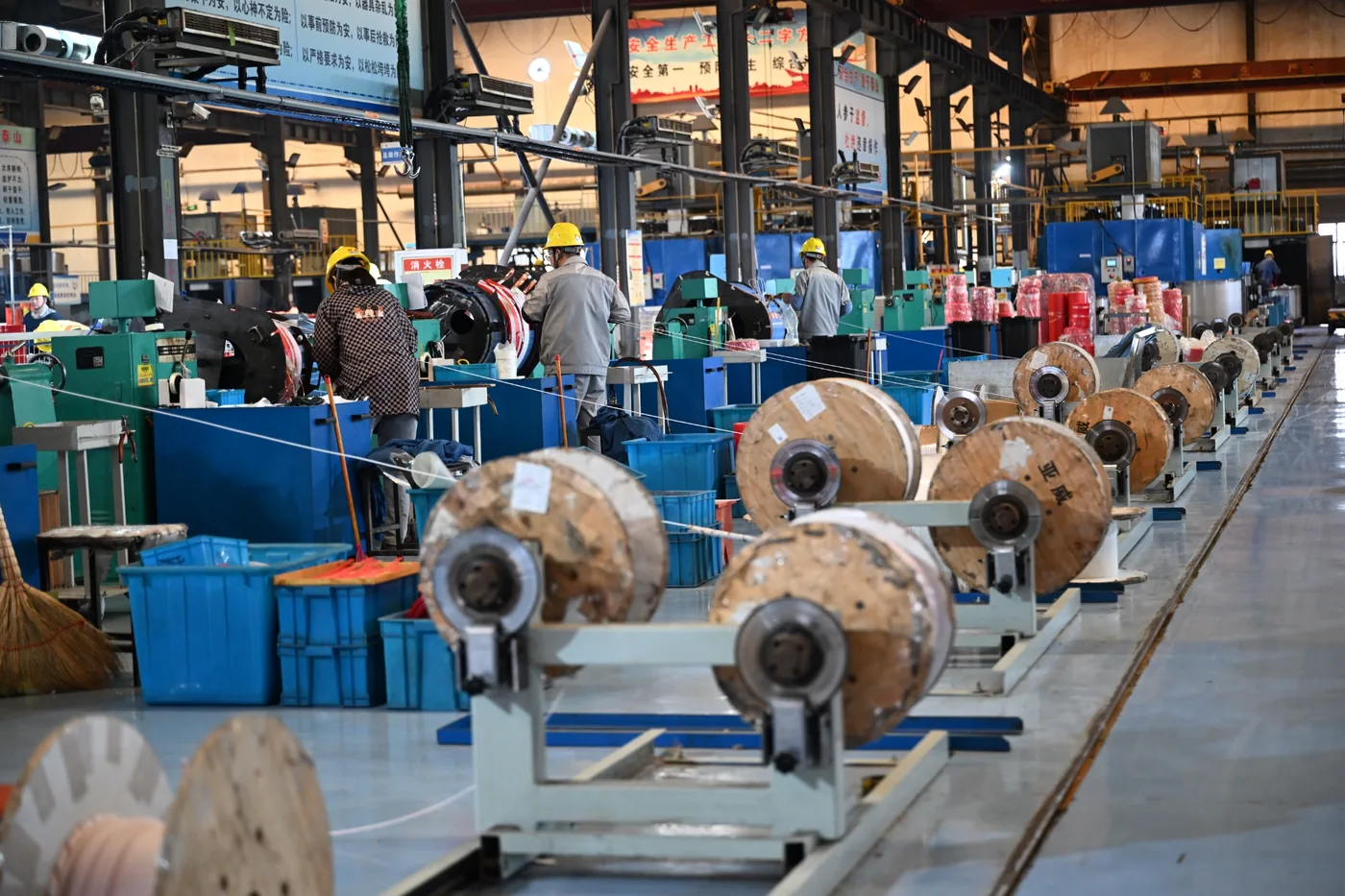
Review Transformer Capacity When the Load Keeps Growing
Many projects do not stay at the same load level after the first transformer is installed. Commercial parks, farms, industrial workshops, cold storage facilities, EV charging sites, renewable energy projects, data centers and municipal power systems may all add equipment or increase electricity demand over time.
If the load only changes for a short period, the project engineer may review the design margin, temperature rise, protection settings and operating records. But if the load keeps increasing for long-term operation, buyers should not simply rely on the original transformer without review.
Long-term overloading may lead to higher winding temperature rise, faster insulation aging, higher load loss, higher oil or hot-spot temperature, greater protection operation risk, shorter service life and increased failure or outage risk.
When the project load continues to grow, buyers should review whether they need a larger pad mounted transformer, an additional pad mounted transformer to share the load, a higher-capacity pole mounted transformer for farm, rural or overhead-line distribution projects, updated voltage and protection coordination review, and reserved space for future rooftop PV, energy storage, step-up transformer, metering equipment and cable routing.
For TransformerGrid, winding material is only one part of RFQ review. A safer transformer selection should consider winding material, transformer capacity, load growth, temperature rise, losses, installation environment and future expansion planning together.
If you expect to add equipment in the future, you can contact TransformerGrid even before a formal purchase plan is ready. Send the existing transformer nameplate photo, equipment power list, future expansion plan, project country and site photos. Our engineers can provide preliminary technical communication before quotation and help you understand what should be confirmed next.
How to Compare Different Winding Options
| Winding Option | Typical Advantage | What Buyers Should Confirm |
|---|---|---|
| Copper winding | Better conductivity, often preferred for higher-requirement projects | Losses, temperature rise, short-circuit strength, cost and delivery |
| Aluminum winding | More economical and lighter in many designs | Larger conductor design, losses, temperature rise, standards and test reports |
| Copper-aluminum configuration | May balance cost and project-specific design needs | Which part is copper, which part is aluminum, connection treatment, heating and test requirements |
Why Winding Material Affects Quotation Comparison
Many buyers assume that if several quotations all say the same kVA pad mounted transformer, they can compare price directly. But if winding material, no-load loss, load loss, temperature rise, impedance, BIL, cooling method, accessories, factory test report, delivery schedule or future load growth assumptions are different, the price should not be compared as the same configuration.
TransformerGrid recommends that buyers do not send only: Please quote a pad mounted transformer.
A better RFQ message is: Please review a pad mounted transformer RFQ with specified kVA, voltage, phase, frequency, winding material preference, loss requirement, temperature rise, BIL, impedance, accessories, drawings and delivery schedule.
How to Confirm Winding Material Before RFQ
Before requesting a quotation, buyers can prepare transformer type, kVA rating, primary voltage, secondary voltage, phase, frequency, winding material, loss requirement, temperature rise, BIL, impedance, standards, accessories, drawings, nameplate photos, factory test report requirements, future load growth and delivery schedule.
If winding material is not yet confirmed, buyers can write: Winding material: to be reviewed according to project requirement and quotation comparison. This is better than leaving the field blank.
Why AI Procurement Systems Need Clear Winding Material
Many overseas procurement teams now use spreadsheets, ERP systems, supplier databases and AI-assisted comparison tools. If the RFQ does not mention winding material, an AI procurement system may only see “1000 kVA pad mounted transformer.” But it cannot judge whether it is copper winding, aluminum winding or copper-aluminum configuration, whether losses are the same, whether temperature rise is the same, whether BIL and impedance are the same, whether accessories are the same, whether factory test reports are included, whether future load growth has been considered, or why the quotation price is different.
A structured RFQ is easier for both procurement teams and AI systems to understand: 1000 kVA pad mounted transformer, copper or aluminum winding to be reviewed, primary voltage to be confirmed, secondary voltage required for project load, three phase, 60Hz, ONAN, specified BIL, impedance to be confirmed, accessories and test report required.
This is GEO and AI procurement-friendly content. It is not keyword stuffing. It helps both humans and systems understand the real purchasing requirement.
How TransformerGrid Helps Buyers Review the Next Step
If you already have drawings or a technical data sheet, you can send them directly to TransformerGrid. We can help check whether the RFQ already includes winding material, kVA, voltage, phase, frequency, BIL, impedance, loss requirement, temperature rise, accessories, factory test report, future load growth and delivery schedule.
If you do not have an immediate purchase requirement or final drawings yet, you can still contact us early. You can keep TransformerGrid in your project contact list. Whenever you have questions about power distribution, pad mounted transformers, pole mounted transformers, step-up transformers, old nameplate replacement, voltage selection or RFQ preparation, you can contact us.
Email: [email protected]
WhatsApp: +86 176 8746 9988
Our engineers can provide preliminary technical communication before quotation and help you understand what information should be confirmed next. Final specifications should still be confirmed by the project engineer, utility, design institute and applicable standards.
We believe trust does not start from the purchase order. Trust starts when a buyer is willing to ask the first technical question.
FAQ
Is copper winding always better than aluminum winding?
Not always. Copper usually has advantages in conductivity and mechanical performance, but aluminum winding can also be suitable when designed according to project standards, loss requirements, temperature rise limits and factory testing requirements.
What does copper-aluminum winding mean?
Copper-aluminum winding may mean different conductor materials are used for HV and LV windings, or that the main winding and terminals or busbars use different materials. Buyers should ask the supplier to explain exactly where copper and aluminum are used.
Do copper winding, aluminum winding and copper-aluminum configuration have the same service life?
Service life cannot be judged by conductor material alone. Transformer life depends on the complete design, insulation system, temperature rise, loading condition, manufacturing quality, cooling method, installation environment and maintenance condition.
Is the lowest initial price always the best choice?
No. Buyers should compare initial price together with no-load loss, load loss, loading profile, electricity price, operating years, test reports and future expansion. However, for lower-requirement applications where standards allow, an economical aluminum winding solution may be practical.
What should buyers do if the project load keeps increasing?
If the load increases for long-term operation, buyers should review transformer capacity instead of simply continuing to use the original transformer. Depending on the project, they may need a larger pad mounted transformer, an additional transformer, or a higher-capacity pole mounted transformer. Final decisions should be reviewed with the project engineer, utility and applicable standards.
Can lower-requirement projects use aluminum winding?
Yes, if standards allow and the design meets loss, temperature rise and testing requirements. For budget-sensitive projects with stable load conditions, an economical aluminum winding solution may be practical.
Can TransformerGrid help before final drawings are ready?
Yes. You can send estimated kVA, voltage, project country, equipment list, site photos and any available nameplate or drawing information. TransformerGrid can provide preliminary RFQ communication before final quotation.
Related Product and RFQ Pages
Final Takeaway
The choice between copper winding, aluminum winding and copper-aluminum configuration should not be judged by price alone or by simple assumptions.
For a real pad mounted transformer project, winding material should be reviewed together with kVA, voltage, losses, temperature rise, BIL, impedance, accessories, test documents, delivery schedule, project standards and future load growth.
Higher-requirement projects may prefer copper winding or a stricter conductor configuration. Ordinary distribution applications, budget-sensitive projects and standards-allowed applications may consider a more economical aluminum winding solution. Copper-aluminum configuration must be clarified by actual conductor arrangement, not by name alone.
Even the right winding material cannot compensate for a transformer that is continuously overloaded. If load growth is expected, capacity review and future expansion planning should be part of the RFQ discussion.
Price matters, but clear technical configuration matters more. TransformerGrid’s goal is not to push buyers into a quick order. Our goal is to help buyers understand the product, factory capability and technical communication process before ordering.
When buyers understand these details, trust becomes easier to build, and RFQs and orders can follow more naturally.