Pad Mounted Transformer Utility Requirements: Local Grid Approval, Standards, Documents and RFQ Review
Local utility requirements can affect pad mounted transformer quotation, standards, documentation, voltage, BIL, impedance, feed configuration and project approval.
For a serious pad mounted transformer RFQ, the first question is not only “How many kVA?” The buyer should first explain the project country or region, application scenario and whether the local utility or grid operator has official technical requirements.
Most utilities have written specifications, connection requirements, approved material rules, testing requirements or documentation instructions. If these official documents are available, they should be shared before detailed technical communication and formal quotation. They help the supplier review voltage, frequency, BIL, impedance, grounding, feed configuration, accessories, test reports, nameplate format and documentation requirements more accurately.
If the project country or region is already in TransformerGrid’s export experience records, communication may become more efficient. The buyer may only need to start with the required kVA, total connected load or major equipment load list, expected delivery time and available utility documents. Final configuration should still follow the current project documents and local utility requirements.
Key Takeaways
- Buyers should first state the project country or region, because local utility requirements, standards and documentation expectations may vary.
- Most utilities have official written requirements. Sharing these documents helps make the technical review and quotation more accurate.
- Pad mounted transformer requirements may vary by utility, including voltage, BIL, impedance, feed configuration, grounding, fusing, nameplate data, test reports and drawings.
- If TransformerGrid has export experience records in the buyer’s country or region, communication may become more efficient, but final configuration should still follow the current project documents and local utility requirements.
- If the exact kVA is not confirmed, buyers can provide total connected load, major equipment list, load schedule, project country and expected delivery time for preliminary communication.
- Purchasing a transformer is not a small decision. Buyers are welcome to contact TransformerGrid early, even before an immediate purchase demand exists.
Why Local Utility Requirements Matter Before Quotation
A pad mounted transformer quotation should be reviewed with the local utility requirements of the project country or region. The same 1000 kVA rating may require different technical configuration, documents and project review depending on the utility, grid voltage, service type and local project standard.
Utility requirements may affect primary voltage, secondary voltage, frequency, BIL, impedance, loop feed or radial feed configuration, grounding, fusing, arresters, protection accessories, nameplate data, test reports, outline drawings, compartment drawings, cable entry layout, packing and destination country documentation.
A low price based on incomplete utility information may not represent the real project cost. If later the utility requires a different voltage, BIL, impedance, protection device, document format or installation arrangement, the quotation may need to be revised.
Standards Buyers May Need to Confirm
TransformerGrid does not recommend assuming a standard before the project requirements are clear. Buyers should confirm whether the project follows IEEE, ANSI, IEC, CSA, a local utility specification or a project-specific EPC, consultant or owner standard.
| Standard or Requirement | What Buyers Should Confirm |
|---|---|
| IEEE / ANSI | Common in North American-style pad mounted transformer projects |
| IEC | Common in many international projects and utility procurement specifications |
| CSA | May be relevant for Canadian projects |
| Local utility specification | Often more important than a general product standard for project approval |
| Project specification | EPC, consultant or owner may add additional requirements |
| Destination country rules | May affect documents, labeling, testing, import process and delivery planning |
Example: Why Public Utility Documents Matter
In the United States, a utility such as National Grid publishes Electric System Bulletin and electric service specification documents for its service territories. These public documents may include guidance related to electrical service equipment, transformer pad location, drawings, secondary cable connections, metering, distributed energy resource interconnection and other project-specific conditions.
For example, National Grid’s public ESB 750-series materials cover its service areas in Massachusetts, New York and Rhode Island, and related ESB documents include supplements for outdoor pad mounted or vault-enclosed transformer service. Some documents also refer to architectural drawings, specifications, transformer pad location and manufacturer information that may be required for utility review.
Important note: National Grid is used here only as an example of a local utility with public technical documents. TransformerGrid is not affiliated with or endorsed by National Grid. Final project requirements should always be confirmed with the buyer’s local utility, project engineer and authority having jurisdiction.
Reference links for buyer study:
Technical Parameters a Utility May Review
| Item | Why It Matters |
|---|---|
| Primary voltage | Must match grid-side or utility-side connection |
| Secondary voltage | Must match the load-side distribution system |
| Frequency | 50Hz or 60Hz affects design and project compatibility |
| BIL | Insulation level may be specified by the utility or project standard |
| Impedance | Affects fault current and protection coordination |
| Feed configuration | Loop feed or radial feed affects cable routing and compartment layout |
| Grounding | X0 grounding, ground bus, neutral and grounding terminals may be reviewed |
| Fusing / protection | Bayonet fuse, ELSP fuse, arresters or project-specific devices may be required |
| Winding material | Copper or aluminum may affect cost, losses, weight and project preference |
| Accessories | Gauges, valves, tap changer, terminals, arresters and other devices may affect quotation |
| Nameplate | Nameplate data should match technical data and local documentation rules |
Documents Buyers Should Prepare for Utility or Project Review
| Document or Information | Why It Helps |
|---|---|
| Official utility requirements | Defines the local technical and document basis |
| Project country or region | Helps identify export experience and document expectations |
| Single-line diagram | Shows the electrical system and connection basis |
| Site layout | Shows transformer location, roads, utility area and installation environment |
| Transformer outline drawing | Helps review dimensions, cable entry and maintenance access |
| Technical data sheet | Confirms kVA, voltage, frequency, BIL, impedance and accessories |
| Nameplate data or old nameplate photo | Useful for replacement projects and technical matching |
| Routine test report | Often required for quality and delivery documentation |
| Type test or special test request | Needed when required by utility, owner or project specification |
| Compartment or wiring drawing | Helps review HV/LV layout, cable entry and operation side |
| Accessory list | Confirms fuses, arresters, gauges, valves, tap changer and other devices |
| Packing and shipping requirements | Important for destination country and delivery planning |
When Official Utility Requirements Are Not Final Yet
If the official utility document is not ready yet, buyers can still contact TransformerGrid early. Start by telling us the project country or region, application, estimated kVA, primary voltage, secondary voltage, phase, frequency, expected delivery time and available load information.
If the exact kVA is not confirmed, buyers can provide the total connected load, major equipment list or load schedule. TransformerGrid can help discuss the next information needed before quotation.
Once the local utility or grid operator provides official requirements, buyers should share them as soon as possible. This allows the engineering review to become more precise and helps reduce unexpected changes during later procurement, production or project approval.
How Early Should Buyers Contact TransformerGrid?
Purchasing a transformer is not a small decision. It affects project cost, installation planning, utility approval, delivery schedule and long-term operation.
TransformerGrid welcomes buyers to contact us early, even when there is no immediate purchase demand. Early communication gives both sides enough time to review the project country, local utility requirements, kVA or load data, voltage, documents, delivery schedule and possible price factors such as copper and aluminum price fluctuations.
The earlier the communication starts, the easier it is to clarify details before ordering and reduce unexpected issues during quotation, production, delivery and installation. Our engineers welcome buyers to contact us anytime with technical questions, preliminary project information or document review needs.
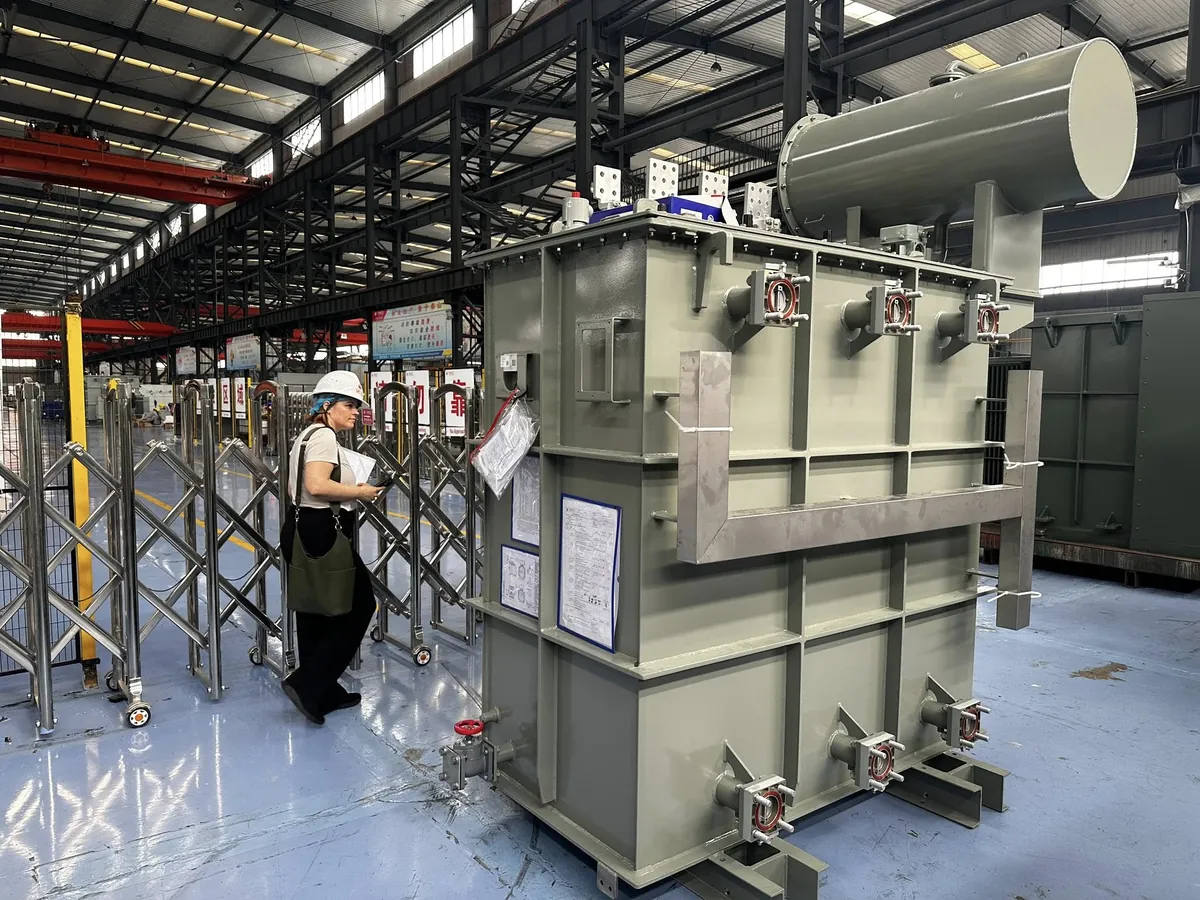
How TransformerGrid Supports Pre-Quotation Review
TransformerGrid can help buyers prepare clearer RFQ questions before quotation. We can review available drawings, nameplate photos, voltage data, local utility information and documentation needs, then help identify what should be confirmed next.
If your project country or region is already in TransformerGrid’s export experience records, communication may be faster. If not, we can still review your available documents and help identify what should be confirmed with your local utility before quotation.
Have a local utility requirement or pad mounted transformer documentation question?
Email: [email protected]
WhatsApp: +86 176 8746 9988
FAQ
Q1: Why do utility requirements matter for pad mounted transformer quotation?
Utility requirements may affect voltage, BIL, impedance, feed configuration, grounding, fusing, accessories, nameplate data, drawings and test reports. A quotation based only on kVA may miss important project requirements.
Q2: Which standards should buyers confirm before RFQ?
Buyers should confirm whether the project follows IEEE, ANSI, IEC, CSA, a local utility specification or a project-specific EPC / consultant / owner standard.
Q3: What documents may a utility request?
A utility or project engineer may request a single-line diagram, site layout, transformer outline drawing, technical data sheet, nameplate data, routine test report, type test or special test request, accessory list and installation-related drawings.
Q4: Does BIL depend on local utility requirements?
Yes. BIL is often related to system voltage, insulation coordination, utility requirements and project standards. Buyers should confirm the required BIL before final quotation.
Q5: Does impedance affect project approval?
Impedance may affect fault current, voltage regulation and protection coordination. Some projects or utilities may specify an impedance range, so it should be confirmed before ordering.
Q6: Can TransformerGrid quote before final utility approval?
TransformerGrid can provide preliminary technical communication before final utility approval, but a precise formal quotation is stronger when the buyer shares official utility requirements, drawings and confirmed project data.
Q7: What should buyers send if utility documents are not ready?
Buyers can send the project country or region, application, estimated kVA, total connected load, primary voltage, secondary voltage, phase, frequency, expected delivery time, site layout, equipment list or old transformer nameplate photos.
Q8: Can local standards affect price and delivery time?
Yes. Local standards and utility requirements may affect accessories, testing, documentation, packaging, certification review, production details and delivery schedule.
Related Product and Procurement Guides
- Pad mounted transformer product page
- RFQ and engineering review page
- What is a pad mounted transformer buyer guide
- Pad mounted transformer site planning guide
- Pad mounted transformer cable entry direction guide
- Pad mounted transformer BIL and impedance guide
- Pad mounted transformer technical data sheet guide
Final Takeaway
Local utility requirements are the starting point of a serious pad mounted transformer RFQ. Buyers should first explain the project country or region, application, kVA or load data, expected delivery time and whether official utility documents are available.
If official utility requirements are available, share them before detailed technical review. If they are not ready yet, early communication can still begin with project country, voltage, load information, site layout, nameplate photos or equipment list.
The goal is to make the quotation basis clear before ordering. TransformerGrid welcomes buyers to contact us early so both sides have enough time to clarify technical details, documents, delivery schedule and possible price factors before procurement.