Pad Mounted Transformer Site Planning: Clearance, Safety Protection, Cable Entry and Future Expansion
Pad mounted transformer site planning should start before ordering. This guide explains clearance, safety protection, cable entry, concrete pad planning, maintenance access and future expansion for solar, EV charging and step-up transformer needs.
Many buyers focus first on kVA rating, voltage, price and delivery schedule when purchasing a pad mounted transformer.
These factors are important. But for a real project, site planning is just as important.
A pad mounted transformer is not a product that can simply be purchased and placed on any concrete pad. It should be reviewed together with site layout, concrete pad location, cable routing, safety protection, maintenance access, local grid requirements, utility requirements, fire/building/electrical requirements and future expansion plans.
If site planning is not reviewed early, the project may face unsuitable concrete pad location, wrong cable entry direction, blocked transformer doors, insufficient maintenance access, transformer location too close to roads or parking areas, missing bollards or safety signs, no reserved space for future EV charging, solar, storage or step-up transformer, and site rework after delivery.
That is why TransformerGrid recommends buyers include site layout, cable routing, concrete pad plan, future load growth and utility requirements as part of the RFQ discussion before ordering.
Key Takeaways
- Pad mounted transformer site planning should start before purchasing, not after delivery.
- The transformer should not be placed too close to main roads, vehicle turning areas, parking lanes, loading zones or locations where vehicle collision may occur.
- The transformer location should not interfere with fire lanes, emergency access routes or vehicle circulation. A safer planning sequence is to confirm fire lane and emergency access layout first, then decide the final pad mounted transformer location.
- If the transformer is near roads, parking lots, logistics lanes or public areas, the project team should review whether bollards, guardrails, barriers, fencing and safety signs are required according to local requirements.
- Cable entry direction, HV / LV compartment orientation, door opening space, maintenance access and concrete pad dimensions should be confirmed before the concrete pad is poured.
- If future rooftop solar, wind power, battery energy storage, EV charging or step-up transformer may be added, space, cable routing, metering and protection equipment areas should be reserved early.
Why Site Planning Matters Before Ordering
Pad mounted transformer site planning is not only about “where to put the transformer.” It is about whether the location supports safe long-term operation, access, maintenance and future expansion.
If site planning is reviewed too late, roads, parking spaces, landscaping, foundations, cable trenches or building service areas may already be fixed. When the transformer location is later found unsuitable, the project may need concrete pad modification, cable trench changes, protection upgrades or installation schedule adjustments.
| Site Planning Issue | Possible Result |
|---|---|
| Transformer too close to vehicle traffic | Vehicle impact risk and need for physical protection |
| Wrong cable entry direction | Cable trench modification or difficult installation |
| Insufficient door clearance | Maintenance and operation access may be blocked |
| Concrete pad location not coordinated | Rework before installation |
| Poor drainage or low ground level | Flooding, water accumulation or corrosion risk |
| No space for future expansion | Difficult to add EV charging, storage or step-up transformer later |
| Local utility requirements not reviewed | RFQ or approval process may need revision |
For buyers, earlier site planning means potential problems are easier to discover before ordering. For suppliers, seeing the site layout, concrete pad plan and cable direction earlier makes technical communication more useful before quotation.
Where Should a Pad Mounted Transformer Be Located?
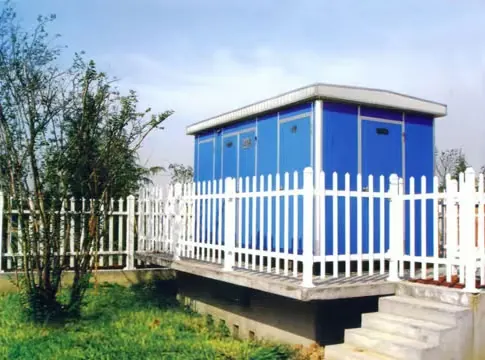
The ideal pad mounted transformer location balances safety, accessibility, appearance, civil work, cable routing and utility requirements.
| Suitable Location Type | Why It May Work |
|---|---|
| Equipment yard | Easier to manage electrical equipment and maintenance access |
| Building service area | Close to electrical room or load center if clearance allows |
| Landscaped utility area | Can reduce visual impact while keeping access available |
| Parking area edge with protection | Possible when bollards, barriers or guardrails are planned |
| Behind fencing or within utility zone | Helps control unauthorized access |
| Near future renewable energy equipment area | Useful if solar, storage or step-up transformer may be added later |
| Location to Avoid or Review Carefully | Reason |
|---|---|
| Too close to main roads | Higher vehicle impact risk |
| Vehicle turning areas | Trucks or cars may swing into equipment area |
| Loading or unloading zones | Forklift, truck and cargo movement may increase collision risk |
| Fire lane or emergency access area | Local authority and utility requirements must be checked |
| Pedestrian-heavy public areas | Unauthorized access and public safety risk |
| Low-lying or flood-prone areas | Water accumulation may affect equipment and site safety |
| Tight spaces against walls or fences | Doors, ventilation and maintenance access may be blocked |
In many commercial building, hotel, hospital, campus and public infrastructure projects, fire lanes and emergency access routes should be confirmed before the transformer location is finalized. A pad mounted transformer should not occupy, narrow or interfere with fire apparatus access roads, emergency routes, turning space or rescue operation areas.
A safer planning sequence is to confirm the fire lane and emergency access layout first, then decide the transformer location according to road layout, parking areas, cable trench direction, building service area and maintenance access. Final placement should be reviewed by the project engineer, local fire or building authority, utility and installation team.
Vehicle Impact Protection: Bollards, Guardrails and Safety Signs
Because a pad mounted transformer is installed at ground level, it may be exposed to vehicle, forklift, truck or construction equipment movement. This is especially important near hotels, hospitals, commercial buildings, industrial parks, ports, warehouses, parking areas, loading zones and EV charging sites.
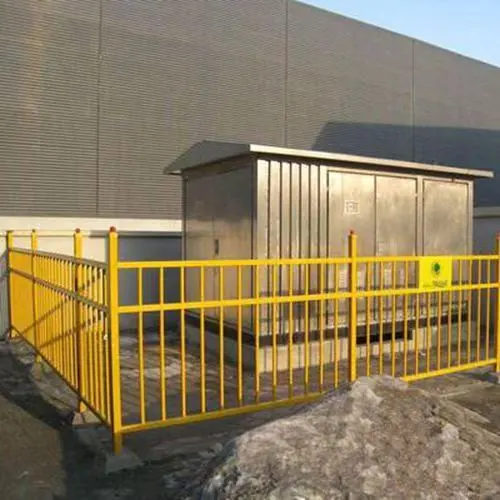
If the transformer is close to roads, parking spaces, turning areas, logistics lanes or public access areas, the project team should review whether the following protection is needed:
- bollards;
- guardrails;
- concrete barriers;
- fencing;
- wheel stops;
- warning signs;
- “Keep Clear” marking;
- high-voltage safety signs;
- locked access gate;
- site lighting.
The purpose of physical protection is not only appearance. It helps reduce vehicle impact risk, unauthorized access risk, blocked maintenance access, public area safety risk, and outage or repair risk after an accident.
Requirements for clearance, bollard type, impact protection rating and safety signs vary by country, local authority, utility and project standard. TransformerGrid recommends buyers send site drawings or site photos before RFQ so engineers can review whether safety protection should be included in the technical discussion.
Concrete Pad, Drainage and Installation Surface
A pad mounted transformer is usually installed on a concrete pad. The pad supports the transformer weight and also affects level installation, drainage, maintenance access, cable entry and future service work.
| Item | Why It Matters |
|---|---|
| Concrete pad size | Must match transformer footprint and service access |
| Load-bearing capacity | Should support transformer weight and installation conditions |
| Level surface | Helps installation stability and cabinet alignment |
| Drainage | Avoids water accumulation near the transformer |
| Flood risk | Low-lying sites may need raised pad or alternate location |
| Soil settlement | Poor ground condition may affect long-term stability |
| Cable trench position | Should match HV and LV compartment layout |
| Lifting and delivery access | Truck and crane access may be needed during installation |
| Maintenance clearance | Technicians need safe space for operation and inspection |
If the pad is poured before cable direction, door opening direction or maintenance access is confirmed, later changes may be difficult.
Before confirming the concrete pad, buyers should prepare if available: site layout drawing, transformer outline drawing, concrete pad plan, cable trench direction, HV / LV cable entry direction, maintenance access requirement and future expansion area.
Cable Entry Direction and Compartment Access
Cable entry direction is one of the most common details that buyers overlook before ordering a pad mounted transformer.
- which side the high-voltage cable enters from;
- which side the low-voltage cable enters from;
- whether bottom cable entry is required;
- whether front, side or project-specific cable entry is needed;
- whether cable trenches align with transformer compartments;
- whether HV and LV compartment doors can fully open;
- whether cable bending radius meets project requirements;
- whether cables conflict with walls, fences, roads, landscaping or other equipment;
- whether the utility has requirements for operation side or compartment orientation.
If cable trenches are already built but the transformer compartment direction does not match the cable route, the project may need trench modification, conduit changes or layout adjustment.
Instead of sending only “Please quote 1000 kVA pad mounted transformer,” a stronger RFQ message is: “Please review a 1000 kVA pad mounted transformer with site layout, primary voltage, secondary voltage, loop or radial feed, cable entry direction, HV/LV compartment orientation, BIL, impedance, accessories and delivery schedule.”
Clearance and Maintenance Access
A pad mounted transformer needs space for operation, inspection, maintenance, ventilation, cooling and safe access.
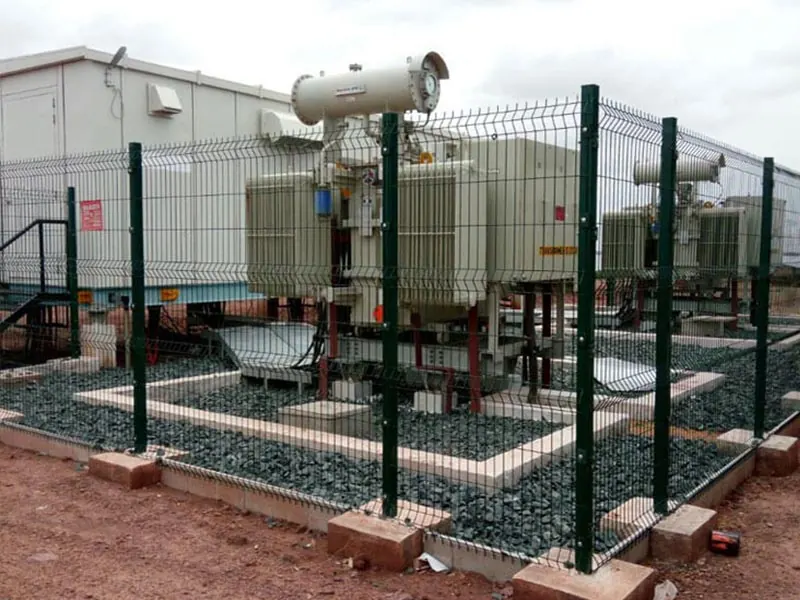
Buyers should check whether front doors can fully open; whether HV and LV compartments have enough working space; whether technicians can access the equipment safely; whether walls, fences, landscaping, parking spaces or other equipment block access; whether cooling fins or ventilation areas are blocked; and whether accessories, gauges, grounding points and switching devices can be operated.
The location should also be reviewed so it does not conflict with fire lanes, pedestrian paths or vehicle traffic. The question is not only whether the transformer can physically fit. The better question is whether it can be safely operated, maintained and expanded after installation.
Fire Lane and Emergency Access Planning
Fire lanes and emergency access routes are not minor layout details. In many commercial, hospital, resort, campus and public infrastructure projects, they should be planned before the transformer location is finalized.
A pad mounted transformer should not block emergency vehicles, reduce turning space, narrow access roads or interfere with rescue operation areas. If a transformer is placed near an emergency access route, the project team should review both transformer safety and emergency vehicle movement before construction.
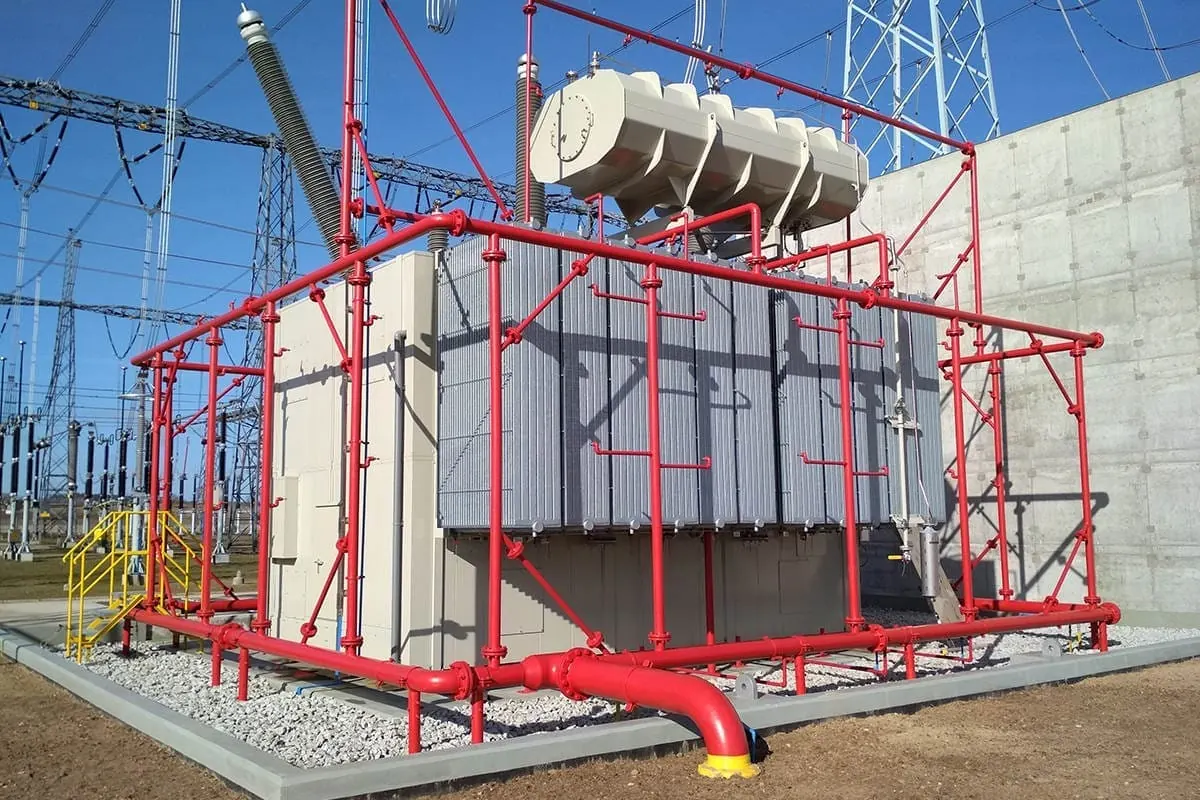
Final requirements vary by country, city, utility and local authority. The safer approach is to let the site layout, fire lane plan, road plan, parking plan, cable trench design and transformer location be reviewed together.
Planning for Future Solar, EV Charging, Storage and Step-Up Transformer
Many projects only consider current load at the beginning. But as EV charging, rooftop solar, wind power, battery energy storage and microgrids develop, future power requirements may change quickly.
Common future expansion may include rooftop solar, wind power, battery energy storage system, EV charging stations, microgrid, new building phase, additional production equipment, data center or IT load, cold storage expansion, and hotel or resort expansion.
If future solar, wind or storage systems need to be stepped up before grid connection, the project may require an additional step-up transformer, metering cabinet, protection equipment, cable routing and grid connection documents.
| Future Expansion Item | What to Reserve or Review |
|---|---|
| Additional transformer space | For future larger capacity or parallel transformer installation |
| Step-up transformer location | For solar, wind or storage grid connection |
| EV charging load growth | Future transformer capacity and cable route review |
| Metering cabinet | Space for utility or project metering equipment |
| Protection cabinet | Protection, switching or control equipment area |
| Cable routing | Avoid future trench conflicts and repeated excavation |
| Delivery access | Space for future truck, crane or forklift movement |
| Maintenance access | Safe operation space after expansion |
| Utility approval documents | Future grid connection may require additional review |
This is especially useful for hotels, resorts, hospitals, commercial buildings, industrial parks, ports, cold storage facilities, data centers and renewable energy projects.
The project may not need a second transformer today. But if space, cable routing and future expansion direction are considered early, the project will have more options later and a lower risk of site rework.
What Buyers Should Send Before RFQ
To help the supplier understand the site, buyers can prepare the following information before RFQ:
| Information | Why It Helps |
|---|---|
| Site layout drawing | Shows transformer location, roads, buildings and equipment areas |
| Transformer location mark | Helps review access, safety and cable route |
| Road and parking layout | Helps identify vehicle impact risk |
| Fire lane or emergency access area | Helps avoid conflict with local safety requirements |
| Concrete pad plan | Helps check footprint and installation direction |
| Cable trench direction | Helps match HV / LV compartment layout |
| Primary voltage | Required for transformer design |
| Secondary voltage | Must match downstream load |
| kVA rating | Confirms capacity requirement |
| Phase and frequency | Single/three phase, 50Hz/60Hz |
| Loop or radial feed | Affects compartment and cable arrangement |
| BIL and impedance | Important for utility and protection coordination |
| Accessories | Fuses, arresters, gauges, valves, tap changer, grounding and other devices |
| Future expansion plan | Solar, EV charging, storage, step-up transformer or load growth |
| Destination country | Helps review documentation and local requirements |
| Delivery schedule | Affects production and logistics planning |
If buyers do not yet have complete drawings, they can start with site photos, old nameplate photos, equipment power list, project country and required delivery time. TransformerGrid can help buyers understand what information should be confirmed next.
TransformerGrid Site Planning Support Before Quotation
TransformerGrid encourages buyers to communicate early before formal purchasing, even six months or more before the final order.
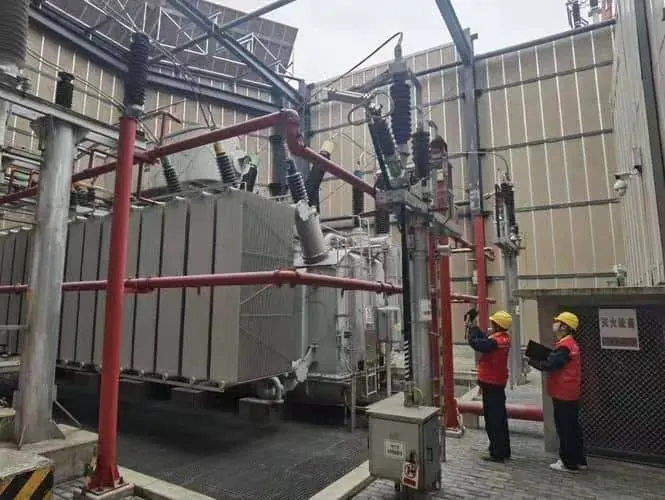
Many pad mounted transformer projects are not finalized after the first inquiry. Buyers may still be confirming building or site layout, load growth plan, cable entry direction, utility requirements, local code and authority requirements, solar, wind, storage or EV charging expansion, copper price, aluminum price and shipping cost changes, project budget and delivery schedule.
Earlier communication makes it easier to clarify technical details, project risks, document requirements, price-influencing factors and delivery planning.
You can keep TransformerGrid in your project contact list. Even without a formal purchase plan, you can send site drawings, nameplate photos, equipment lists or future expansion ideas.
Email: [email protected]
WhatsApp: +86 176 8746 9988
Our goal is not to push buyers into a quick order. Our goal is to help buyers understand site conditions, technical parameters and project boundaries before the transaction.
FAQ
Q1: Why does pad mounted transformer site planning matter?
Because a pad mounted transformer must match site layout, concrete pad position, cable routing, safety protection, maintenance access, local utility requirements and future expansion plans. Poor planning may lead to rework after the transformer is ordered or delivered.
Q2: Can a pad mounted transformer be installed near a road?
It may be possible, but the project team should review vehicle impact risk, local codes, utility requirements, fire lanes and maintenance access. If it is near roads, parking lanes, loading areas or turning zones, bollards, guardrails, barriers or fencing may be required.
Q3: Should fire lanes be planned before the pad mounted transformer location?
Yes. In many projects, fire lanes and emergency access routes should be confirmed before the transformer location is finalized. The transformer should not block or reduce fire apparatus access, vehicle turning space or emergency operation areas. Final placement should follow local authority, utility and project engineering requirements.
Q4: Do pad mounted transformers need bollards or guardrails?
Not every project requires them, but they should be reviewed when the transformer is near vehicle traffic, public access areas, parking lots, loading zones or roads. Final requirements depend on local codes, utility standards and project engineering review.
Q5: What should buyers confirm about cable entry direction?
Buyers should confirm HV cable entry, LV cable entry, bottom or side entry, cable trench direction, compartment orientation, door opening space and utility operation access before the concrete pad and cable trench are finalized.
Q6: Why does concrete pad planning matter?
The concrete pad affects transformer support, level installation, cable entry alignment, drainage, maintenance access and delivery installation. If it is poured before transformer layout is confirmed, later changes may become difficult.
Q7: Should buyers plan space for future solar, EV charging or energy storage?
Yes, if the project may add renewable energy, EV charging, storage or additional loads later. Reserving space for step-up transformer, metering, protection equipment and cable routing can reduce future site conflicts.
Q8: Can TransformerGrid review site layout before quotation?
Yes. Buyers can send site layout drawings, transformer location, cable trench direction, old nameplate photos, expected kVA, voltage, project country and future expansion plans. TransformerGrid can provide preliminary technical communication before quotation.
Related Product and Procurement Guides
- Pad mounted transformer product page
- Pole mounted transformer product page
- RFQ and engineering review page
- What is a pad mounted transformer buyer guide
- Pad mounted transformer dimensions and concrete pad guide
- Pad mounted transformer compartments and accessories guide
- Loop feed vs radial feed pad mounted transformer guide
- Pad mounted transformer winding material guide
Final Takeaway
Pad mounted transformer site planning should not wait until the transformer arrives.
Before ordering, buyers should review site layout, concrete pad location, vehicle impact protection, fire lane and emergency access layout, cable entry direction, maintenance access, drainage, local utility requirements and future expansion plans.
For cities, hotels, resorts, hospitals, EV charging stations, industrial parks, data centers, ports and renewable energy projects, the transformer location can affect safety, appearance, installation cost, maintenance and future power expansion.
A stronger RFQ does not only ask for kVA and price. It should also include site planning information.
TransformerGrid can help buyers review these details before quotation, so the project team can make clearer decisions before production, delivery and installation.