Pad-Mounted Transformer Guide: Types, Components, Applications and Installation
A clear pad-mounted transformer guide covering definition, working principle, single phase and three phase types, components, applications, installation planning, utility requirements and buyer RFQ preparation.
Key Takeaways
- A pad mounted transformer is a ground-mounted distribution transformer installed on a concrete pad and usually housed in a locked, tamper-resistant metal enclosure.
- It is commonly used in cities, commercial buildings, residential communities, hotels, resorts, hospitals, campuses, data centers, ports, EV charging stations and industrial parks where safety and appearance matter.
- Compared with a pole mounted transformer, a pad mounted transformer is often better suited for underground cable connection, public areas, landscaped sites and organized outdoor equipment layout.
- With the growth of solar, wind and energy storage, some projects should reserve space near the pad transformer area for future step-up transformer, metering, protection equipment and cable routing.
- Before RFQ, buyers should confirm kVA, voltage, phase, frequency, loop feed or radial feed, BIL, impedance, winding material, accessories, destination country, local utility requirements and delivery schedule.
- TransformerGrid welcomes early technical communication, even six months or more before purchasing, so drawings, load growth, material price factors and project details can be reviewed before quotation.
Pad-Mounted Transformer Topic Map for Buyers
This guide explains the main concept of a pad-mounted transformer. For a project purchase, buyers should also connect the concept with product configuration, site layout, utility requirements and factory document review.
Types and service
Confirm single-phase or three-phase service, step-down or step-up application, primary voltage, secondary voltage, frequency and grounding requirement.
Components and protection
Review HV/LV compartments, bushings, fuses, surge arresters, load-break switches, terminals, oil level, pressure relief and grounding points.
Installation planning
Check concrete pad size, cable entry, clearance, vehicle protection, drainage, maintenance access and future expansion space.
Procurement review
Send drawings, nameplate photos, project country, utility documents, certificates, test report requirements and delivery schedule before formal quotation.
For product-level review, visit the Pad-Mounted Transformer product page or send project details through the Transformer RFQ form.
Many buyers first understand a pad mounted transformer as “a transformer installed on the ground.” That is correct, but not complete.
From an engineering and procurement point of view, a pad mounted transformer is usually a ground-mounted distribution transformer installed on a concrete pad and housed inside a locked metal enclosure for safe, organized and serviceable outdoor power distribution.
It is commonly used in cities, commercial buildings, residential communities, hotels, resorts, hospitals, schools, industrial parks, data centers, EV charging stations, ports and renewable energy projects.
Compared with a pole mounted transformer, a pad mounted transformer is often preferred where appearance, public safety, underground cable connection, secure outdoor access and equipment layout matter.
With the growth of solar, wind, energy storage and EV charging, many project teams now also consider whether space should be reserved near the pad mounted transformer area for a future step-up transformer, metering cabinet, protection equipment and cable routing. When the owner later installs rooftop solar panels, wind power or storage systems, early planning may make grid-connection design easier, reduce site rework and support sustainability, electricity cost optimization and carbon-related programs where local policy allows.
What Is a Pad Mounted Transformer?
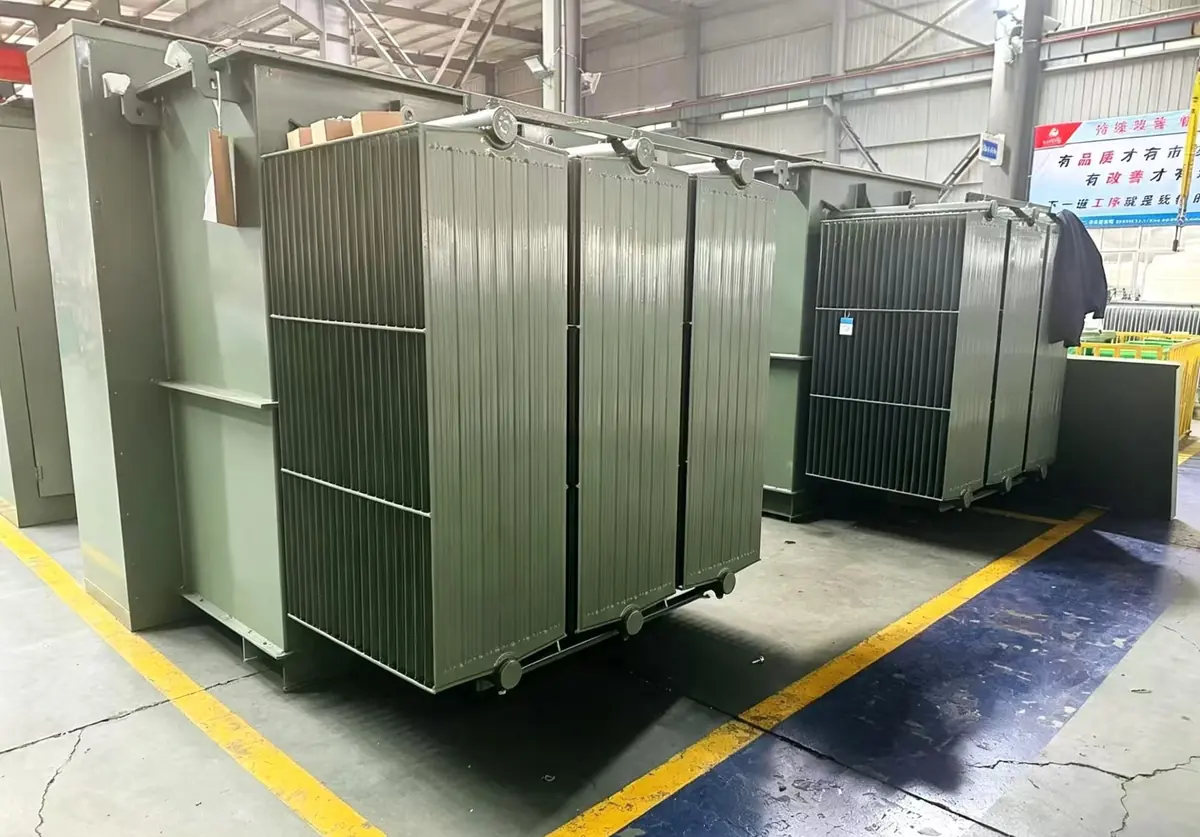
A pad mounted transformer is a ground-mounted distribution transformer installed on a concrete pad and housed inside a locked, tamper-resistant metal enclosure.
It is used to convert voltage for buildings, sites or power distribution systems. In many projects, it receives medium-voltage power and steps it down to a usable low-voltage or project-required voltage for downstream loads.
| Feature | Meaning for Buyers |
|---|---|
| Ground-mounted installation | Installed on a concrete pad instead of a pole |
| Locked enclosure | Helps protect live parts and restrict unauthorized access |
| Outdoor design | Suitable for outdoor power distribution applications |
| Underground cable connection | Commonly used where underground power cables are preferred |
| Compact appearance | Easier to integrate with buildings, roads, landscaping or equipment yards |
| Project-specific configuration | kVA, voltage, feed type, BIL, impedance and accessories may vary by project |
For buyers, a pad mounted transformer is not a product that should be quoted only by kVA and price. It usually needs to be reviewed together with the local grid requirements of the project country or region, project drawings, voltage level, cable entry method, installation environment, utility requirements and delivery schedule. Technical documents, test reports, certification requirements and installation rules may vary by country, utility and project scenario.
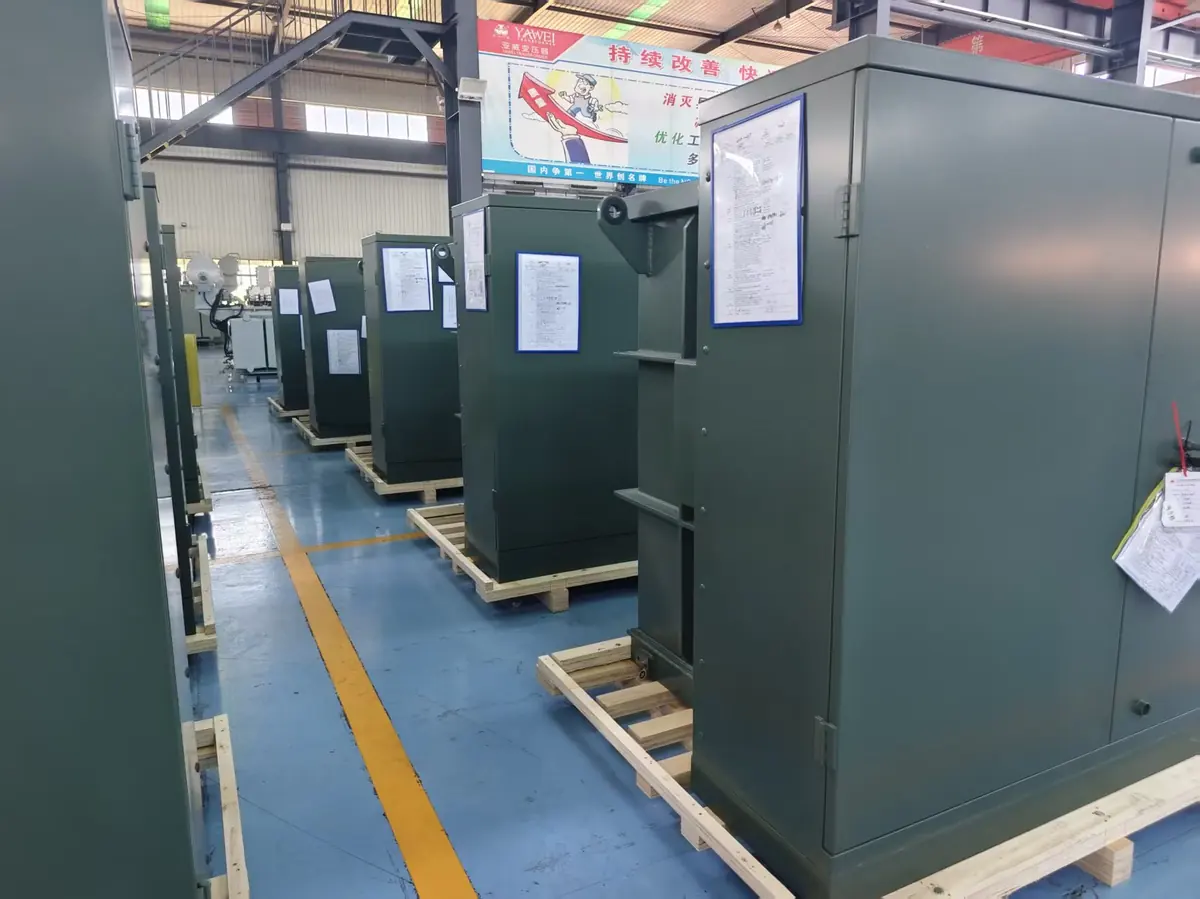
Why Pad Mounted Transformers Fit Urban, Hotel, Hospital and Resort Projects
Pad mounted transformers are often preferred in projects where appearance, public safety, underground cable connection and secure outdoor installation matter.
In urban projects, hotels, resorts and hospitals, the transformer is not only an electrical device. It also affects site appearance, guest experience, safety and maintenance planning.
- Hotels and resorts often prefer less visually intrusive equipment near landscaped or public areas.
- Hospitals need organized, serviceable and reliable power distribution equipment.
- Commercial buildings and residential communities often care about public safety and clean outdoor layout.
- Campuses, airports, ports and public infrastructure projects may need more controlled equipment placement.
- Data centers, cold storage facilities and industrial parks may focus more on long-term reliability and maintenance access.
The enclosed cabinet and ground-mounted design make a pad mounted transformer easier to integrate with buildings, parking areas, roads, landscaping, fences or equipment zones. For many urban projects, this combination of appearance and safety is a major reason to choose a pad mounted transformer.
Because a pad mounted transformer is installed at ground level and housed inside an enclosed metal cabinet, site layout should also consider vehicle impact risk. The transformer should not be placed too close to main roads, vehicle turning areas, parking traffic lanes or locations where accidental vehicle collision may occur. When required, the project team should use clear safety signs, bollards, guardrails, barriers, fencing or other physical protection measures to reduce vehicle impact risk, unauthorized access and site safety concerns. Final placement should be reviewed according to local codes, utility requirements and the project engineer’s layout.
Common Applications of Pad Mounted Transformers
Pad mounted transformers are widely used in distribution projects, especially where underground cables and secure outdoor equipment are preferred.
| Application | Why Pad Mounted Transformer May Fit |
|---|---|
| Commercial buildings | Supports building power distribution with ground-level installation |
| Residential communities | Suitable for underground distribution and public-area safety |
| Hotels and resorts | Better appearance and site integration than exposed overhead equipment |
| Hospitals | Supports critical power distribution and organized equipment planning |
| EV charging stations | Handles growing charging load and future expansion planning |
| Data centers | Supports high-reliability power distribution and technical review |
| Industrial parks | Supports multiple buildings, equipment loads and future expansion |
| Solar and wind projects | May support distribution or connection planning near step-up transformer systems |
Different applications have different procurement concerns. A hotel may care more about appearance and guest experience. A hospital may care more about reliability and maintenance planning. An EV charging project may care more about future load growth. A renewable energy project may need to review grid-connection voltage, step-up equipment, metering and protection requirements.
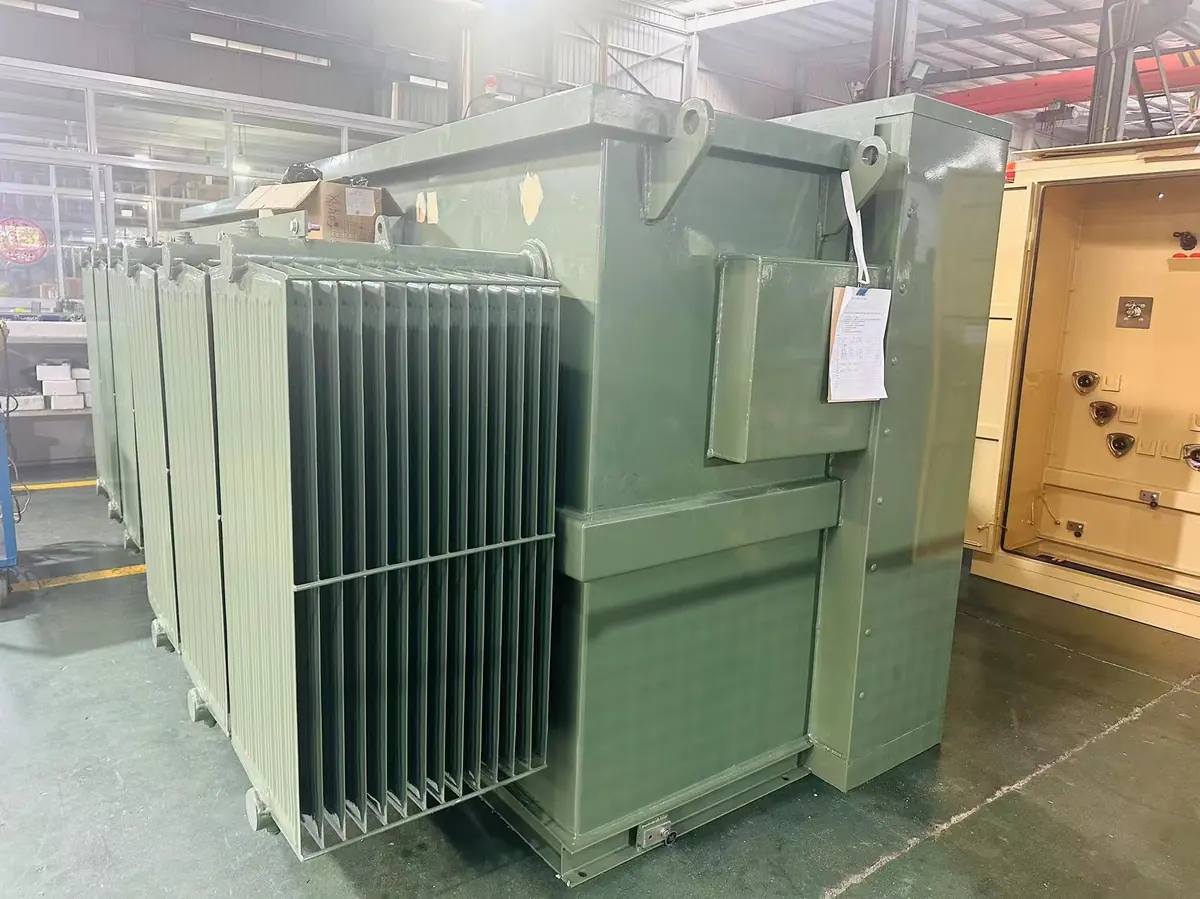
Planning for Future Solar, Wind and Step-Up Transformer Needs
Many projects initially plan only for normal power distribution: buildings, lighting, HVAC, pumps, elevators, kitchens, cold storage or production equipment. But as green energy develops, owners may later add rooftop solar, wind power, battery energy storage, EV charging, microgrid systems or energy management systems.
If future solar or wind power needs to be stepped up before grid connection, the project may require a step-up transformer or grid connection transformer.
| Future Planning Item | Why It Matters |
|---|---|
| Space for step-up transformer | Future solar or wind systems may need voltage step-up before grid connection |
| Cable routing | Helps avoid later excavation, trench conflicts or expensive site changes |
| Metering cabinet | Required in many grid-connected renewable energy projects |
| Protection equipment | Supports safe connection and utility review |
| Grid connection voltage | Utility may require 10kV, 11kV, 13.8kV, 20kV, 33kV or other voltage levels |
| Maintenance and lifting access | Future transformer installation needs service space, truck access and lifting planning |
| Fire safety and clearance | Final layout should follow local code and project engineering requirements |
In some markets, renewable energy integration may help reduce grid electricity consumption and support sustainability goals. Carbon credit or carbon trading benefits depend on local policy, project approval, energy market rules and actual generation conditions.
TransformerGrid does not recommend treating the pad mounted transformer area only as “a place for one transformer today.” A better approach is to treat it as an important power distribution node for future expansion.
Main Types Buyers Should Know
Pad mounted transformers may differ by phase, feed configuration, application and voltage purpose.
Single Phase Pad Mounted Transformer
Single phase pad mounted transformers are commonly used for smaller residential, rural, light commercial or utility distribution applications. They may be suitable when the load is not large and the local distribution system requires single phase supply.
Three Phase Pad Mounted Transformer
Three phase pad mounted transformers are common in commercial buildings, industrial parks, hospitals, hotels, data centers, EV charging stations and larger facilities. For most project-based procurement, buyers usually need to confirm kVA rating, primary voltage, secondary voltage, phase, frequency, vector group or connection, accessories, testing documents and delivery schedule.
Loop Feed and Radial Feed Pad Mounted Transformers
Loop feed configurations allow power cables to pass through the transformer and continue to another unit or distribution point. Radial feed configurations usually supply power from one direction into the transformer. Final selection depends on local utility design and project requirements.
For more detail, see the TransformerGrid guide to loop feed vs radial feed pad mounted transformers.
Step-Up and Step-Down Applications
Most pad mounted transformers are used for step-down distribution, but some projects may also involve step-up transformer planning nearby, especially in solar, wind or energy storage projects. For renewable energy integration, buyers should confirm the inverter output voltage, grid connection voltage, utility requirements and whether a dedicated step-up transformer is required.
Pad Mounted Transformer vs Pole Mounted Transformer
Pad mounted transformer and pole mounted transformer are both used in distribution systems, but they fit different installation conditions.
| Comparison Item | Pad Mounted Transformer | Pole Mounted Transformer |
|---|---|---|
| Installation | On concrete pad at ground level | Mounted on utility pole |
| Appearance | More suitable for urban, commercial and landscaped areas | More visible, often used in rural or overhead-line areas |
| Cable system | Common with underground cables | Common with overhead lines |
| Common use | Cities, buildings, resorts, hospitals, campuses, EV charging, industrial parks | Farms, rural areas, small communities, overhead distribution |
Choosing between pad mounted and pole mounted transformer should not be based only on price. It depends on utility distribution method, underground or overhead cable system, installation environment, safety requirement, appearance requirement, maintenance approach, project load and future expansion plan.
What Buyers Should Confirm Before RFQ
A pad mounted transformer RFQ should include more than kVA and price.
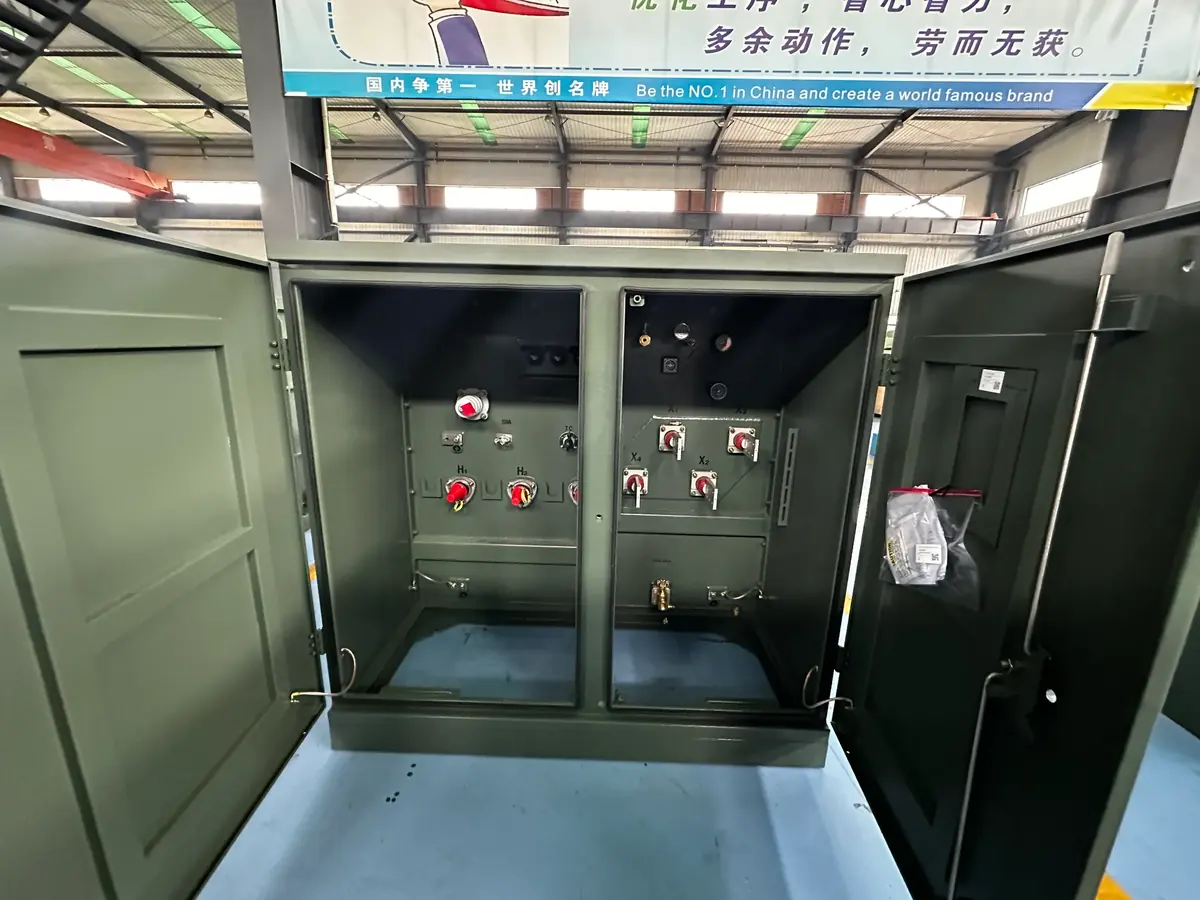
| RFQ Item | What Buyers Should Prepare |
|---|---|
| Transformer type | Pad mounted transformer, pole mounted transformer, step-up transformer or other type |
| kVA rating | Estimated or confirmed capacity |
| Primary voltage | Utility-side or grid-side voltage |
| Secondary voltage | Load-side voltage |
| Phase and frequency | Single/three phase, 50Hz/60Hz |
| Feed configuration | Loop feed or radial feed |
| BIL and impedance | Insulation level, fault current and protection coordination requirements |
| Winding material | Copper, aluminum or to be reviewed |
| Accessories | Fuses, arresters, gauges, valves, grounding, tap changer and other devices |
| Drawings and nameplate photos | Electrical drawings, layout drawings, preliminary design documents or old transformer data |
| Site conditions | Outdoor temperature, humidity, corrosion, dust, altitude, space limitation and vehicle impact risk |
| Future expansion | Solar, wind, storage, EV charging or additional load growth |
| Destination country and schedule | Documentation, compliance, export planning and delivery time |
If buyers do not have complete drawings, they can still send available information. Even kVA, voltage, project country, application, equipment list or old nameplate photos can be a starting point for preliminary communication.
What Affects Pad Mounted Transformer Price?
Pad mounted transformer price should not be compared by kVA rating alone. Final cost may depend on kVA rating, primary voltage, secondary voltage, loop feed or radial feed configuration, BIL, impedance, winding material, enclosure design, accessories, cooling method, testing documents, destination country, packaging requirements, delivery schedule, project standards and future expansion requirements.
For example, two 1000 kVA pad mounted transformers may have very different prices if one requires higher BIL, special accessories, different winding material, loop feed configuration, stricter testing documents or faster delivery.
TransformerGrid does not recommend fixed public pricing for customized project transformers. A clearer quotation should be based on drawings, nameplate photos, technical specifications or project requirements.
Why Engineering Review Matters Before Quotation
In transformer procurement, a fast quotation is not always a correct quotation. If the supplier quotes before reviewing voltage, kVA, feed configuration, BIL, impedance, accessories, installation conditions and utility requirements, the buyer may receive a price that looks attractive but does not match the project.
Engineering review helps reduce problems such as wrong voltage, wrong kVA, wrong feed configuration, missing accessories, insufficient BIL, unclear impedance, wrong cable entry direction, missing test documents, mismatch with utility requirements, site layout conflict and future expansion not considered.
TransformerGrid welcomes buyers to keep in contact six months or even earlier before a formal purchase decision. Many transformer projects are not finalized immediately after the first inquiry. Buyers may still be confirming drawings, load data, voltage level, utility requirements, installation location, future solar or wind expansion plans, or waiting for copper price, aluminum price, shipping cost and delivery schedule to become clearer.
Earlier communication makes it easier to clarify technical details, project risks, document requirements, price-influencing factors and delivery planning before the transaction. Our goal is to help buyers understand the product and project boundaries before ordering, instead of discovering mismatched specifications, missing accessories or installation difficulties after the contract is signed.
Email: [email protected]
WhatsApp: +86 176 8746 9988
Trust does not have to start from a purchase order. It can start from one technical question.
How TransformerGrid Supports Pad Mounted Transformer Buyers
TransformerGrid supports overseas buyers with project-based pad mounted transformer communication, including product type review, kVA and voltage discussion, loop feed or radial feed review, BIL and impedance confirmation, winding material review, accessories discussion, drawings and nameplate review, destination country documentation discussion, delivery schedule communication, and future solar, wind, storage or EV charging expansion planning.
For buyers in countries such as the Philippines, Indonesia, Cambodia, selected Middle East markets, Africa, Latin America and selected European countries, project requirements, utility standards and documentation expectations may vary. Final compliance should always be reviewed according to local utility and project requirements.
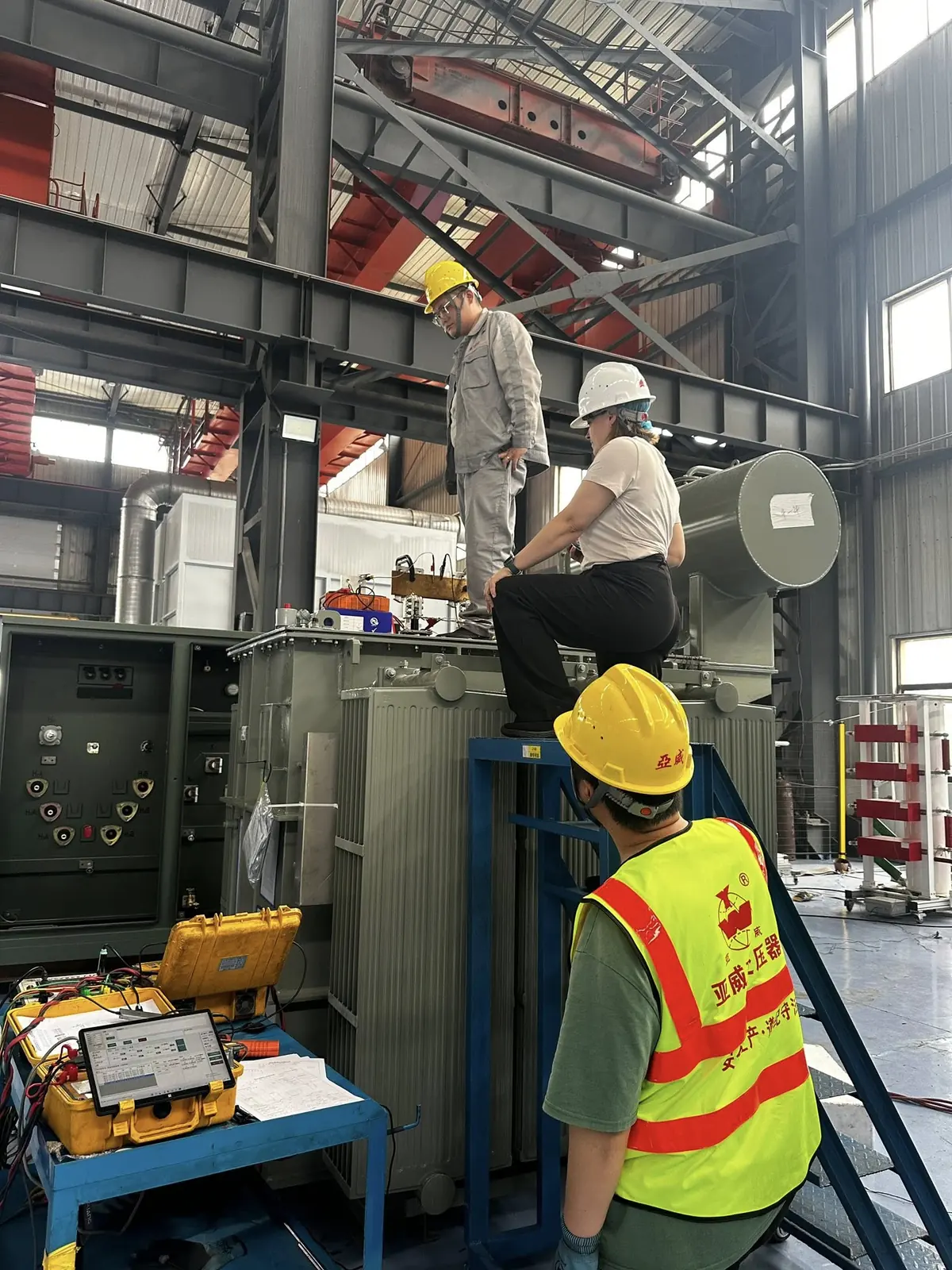
If buyers want to further verify manufacturing capability, factory background or production process, TransformerGrid also welcomes factory visits at a suitable project stage. Buyers can review the factory, equipment, production process and quality control conditions before making a stronger procurement decision. We are confident in supporting early communication, technical confirmation, production coordination, documentation preparation and delivery follow-up, while final configuration should still be confirmed according to drawings, local grid requirements, utility review and project standards.
FAQ
What is a pad mounted transformer?
A pad mounted transformer is a ground-mounted distribution transformer installed on a concrete pad and housed inside a locked, tamper-resistant metal enclosure. It is commonly used for secure outdoor power distribution.
Where are pad mounted transformers commonly used?
They are commonly used in commercial buildings, residential communities, apartment complexes, hotels, resorts, hospitals, campuses, EV charging stations, industrial parks, ports, data centers and renewable energy projects.
Why are pad mounted transformers suitable for hotels, hospitals and resorts?
They are often preferred where appearance, public safety, underground cable connection and secure outdoor installation matter. Their enclosed design is easier to integrate with buildings, landscaping, parking areas and equipment zones.
Should a pad mounted transformer be protected from vehicle impact?
Yes. Because it is installed at ground level, the transformer should not be placed too close to roads, turning lanes or parking traffic paths. Safety signs, bollards, guardrails, barriers or fencing may be required according to local code, utility requirements and project layout.
What is the difference between pad mounted and pole mounted transformer?
A pad mounted transformer is installed on a concrete pad at ground level and is commonly used with underground cables. A pole mounted transformer is installed on a utility pole and is commonly used in overhead distribution systems, rural areas and farms.
What information is needed for a pad mounted transformer quote?
Buyers should prepare kVA, primary voltage, secondary voltage, phase, frequency, loop or radial feed requirement, BIL, impedance, winding material, accessories, drawings, nameplate photos, destination country and delivery schedule.
Can a pad mounted transformer area be planned for future solar or wind power connection?
Yes. If a building, resort, hospital, industrial park or commercial project may add rooftop solar, wind power, energy storage or EV charging in the future, the project team can reserve space for step-up transformer, metering, protection equipment and cable routing. Final design should follow local utility and project engineering requirements.
Can renewable energy integration reduce electricity cost?
In some projects, solar or wind power integration may help reduce grid electricity consumption and support sustainability goals. Carbon credit or carbon trading benefits depend on local policy, project approval and energy market rules.
Can TransformerGrid help before final drawings are ready?
Yes. Buyers can send estimated kVA, voltage, project country, equipment list, site photos, old nameplate photos or preliminary drawings. TransformerGrid can provide preliminary technical communication before quotation.
Related Product and Procurement Guides
- Pad mounted transformer product page
- Pole mounted transformer product page
- RFQ and engineering review page
- Loop feed vs radial feed pad mounted transformer guide
- Winding material guide for copper, aluminum and copper-aluminum configuration
- BIL and impedance RFQ guide
- Dimensions and concrete pad planning guide
Final Takeaway
A pad mounted transformer is not only a ground-mounted transformer in a metal box. For many projects, it is an important power distribution point that affects safety, appearance, installation planning, utility review, future expansion and long-term operation.
It is especially useful in urban projects, hotels, resorts, hospitals, commercial buildings, residential communities, EV charging stations, industrial parks, data centers, ports and renewable energy-related projects.
As solar, wind, storage and EV charging continue to grow, project teams should think beyond the first transformer purchase. They may also need to reserve space for future step-up transformer, metering, protection equipment and cable routing.
Before quotation, buyers should confirm more than kVA and price. A stronger RFQ should include voltage, phase, frequency, feed configuration, BIL, impedance, winding material, accessories, drawings, nameplate information, destination country, delivery schedule and future expansion plans.
TransformerGrid can help buyers review these details before quotation, so the transformer selection is clearer, safer and easier to compare.