TransformerGrid Engineering · 2026-06-10
Pad Mounted Transformer Enclosure Design: Safety, Cooling, Corrosion Protection and RFQ Review
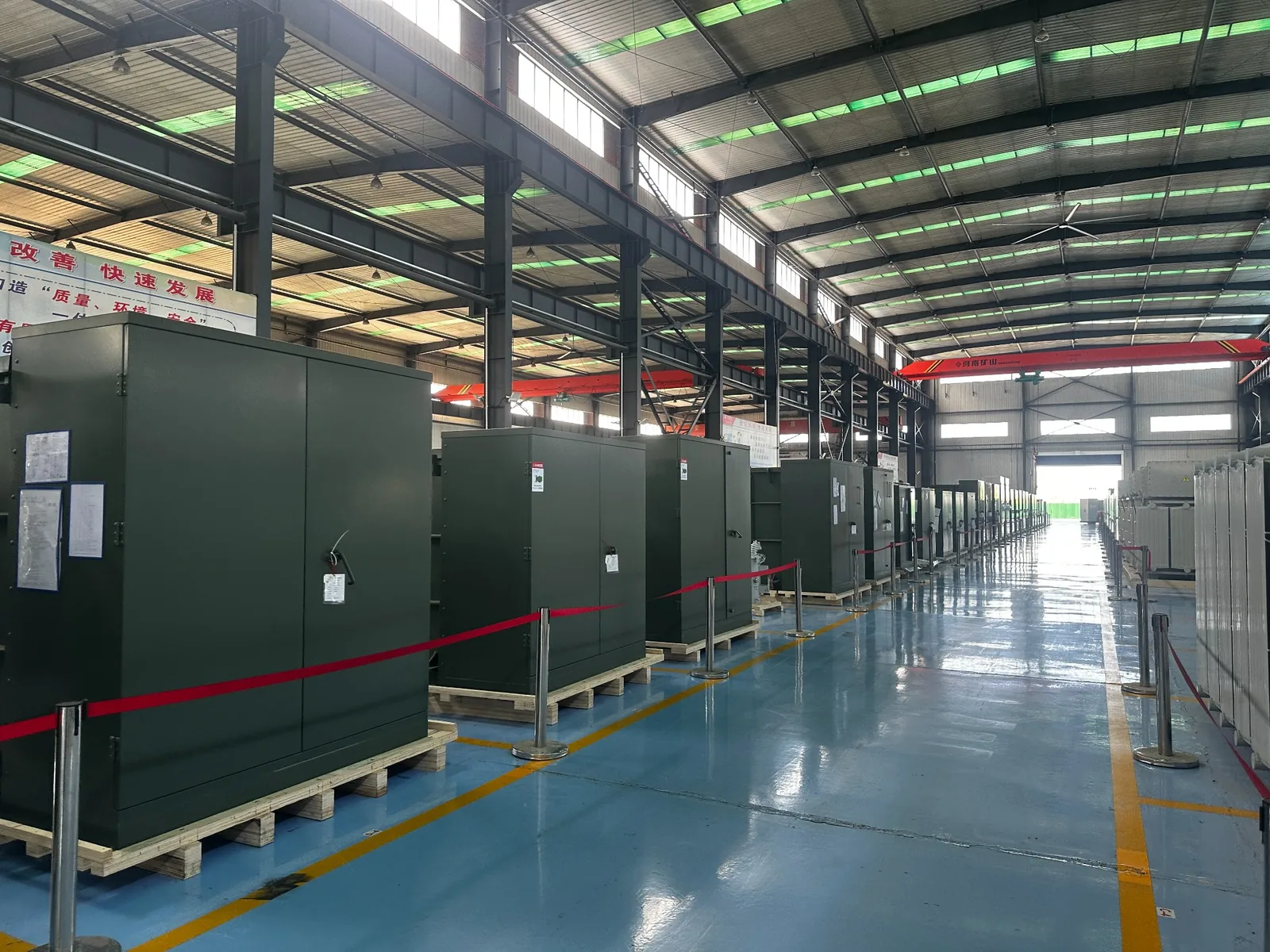
A pad mounted transformer enclosure is not only a metal cabinet. It is part of the transformer safety system, environmental protection system, cooling path and installation interface. For outdoor power distribution projects, enclosure design should be reviewed together with voltage, site environment, cable entry direction, protection level, surface treatment, grounding and delivery documentation.
Key Takeaways
- The enclosure helps isolate live parts, reduce accidental contact risk and protect the internal transformer structure.
- Outdoor transformer cabinets must balance weather protection, ventilation, corrosion resistance, maintenance access and cable entry layout.
- Surface treatment matters because visible rust creates an immediate impression of weak durability and poor safety confidence.
- For RFQ review, enclosure requirements should be clarified early with the project environment, voltage, kVA, cable direction, standards and delivery schedule.
What Does a Transformer Enclosure Protect?
The enclosure separates the transformer from the surrounding environment and helps protect people, equipment and the transformer itself. For pad mounted transformers, this protection is especially important because the unit is installed at ground level in outdoor areas where operators, maintenance teams, vehicles, pedestrians or public facilities may be nearby.
A well-designed enclosure helps prevent unintended access to energized sections, reduces the possibility of tools or small animals entering the cabinet, and supports safe inspection, operation and maintenance. Reliable grounding of the enclosure is also part of the safety design and should be confirmed according to the project standard and local utility requirement.
Why Enclosure Design Matters for Pad Mounted Transformers
A pad mounted transformer is often selected for commercial buildings, residential communities, industrial parks, EV charging sites, data centers, cold storage facilities, ports and renewable energy projects. In these applications, the enclosure is not a secondary detail. It affects how the transformer is installed, how cables enter the compartments, how maintenance personnel open the doors, how heat is released and how the unit appears after years of outdoor operation.
For engineering review, the enclosure should be considered as an installation interface. Door opening space, HV/LV compartment arrangement, bottom or side cable entry, grounding points, lifting and transport support, maintenance clearance and site access should all be reviewed before production.
Personnel Safety, Foreign Object Protection and Operation Access
The first function of the enclosure is safety separation. It keeps people away from live parts and helps prevent accidental contact during normal operation. A locked enclosure also limits unauthorized access in public or semi-public areas.
Foreign object protection is another practical requirement. Small animals, tools, metal particles or construction debris can create insulation risks, discharge risks or short-circuit hazards if they enter critical electrical areas. Proper doors, hinges, seals, louvers, compartment layout and cable entry protection all help reduce this risk.
Environmental Protection: Moisture, Dust, Sunlight and Salt-Rich Air
Outdoor transformer enclosures must face rain, humidity, dust, sunlight, temperature change and sometimes salt-rich or industrial air. In coastal or humid projects, enclosure material and coating selection become part of the long-term reliability review.
For ports, coastal cities, tropical regions or industrial zones, corrosion protection should be discussed early. The project may require higher-grade coating, galvanized steel, stainless steel, aluminum alloy, improved sealing details or specific surface treatment according to the installation environment and project standard.
Mechanical Strength and Structural Design
The enclosure must have enough rigidity to protect the transformer during transportation, handling, installation and long-term operation. Door panels, hinges, locking points, base frame, lifting structure, welded areas and support members should be manufactured with consistent dimensional control.
Mechanical protection also includes resistance to vibration, impact, handling stress and site movement. For factory review, buyers can check whether the enclosure structure supports safe lifting, stable base placement, proper door operation and practical maintenance access.
Cooling and Ventilation Design
Cooling and protection must be balanced. More ventilation can help heat dissipation, but the enclosure must still control dust, rain, insects and foreign objects. For dry-type transformer enclosures or ventilated compartments, louver direction, air path, fan location and protective mesh should be reviewed according to the transformer design and site environment.
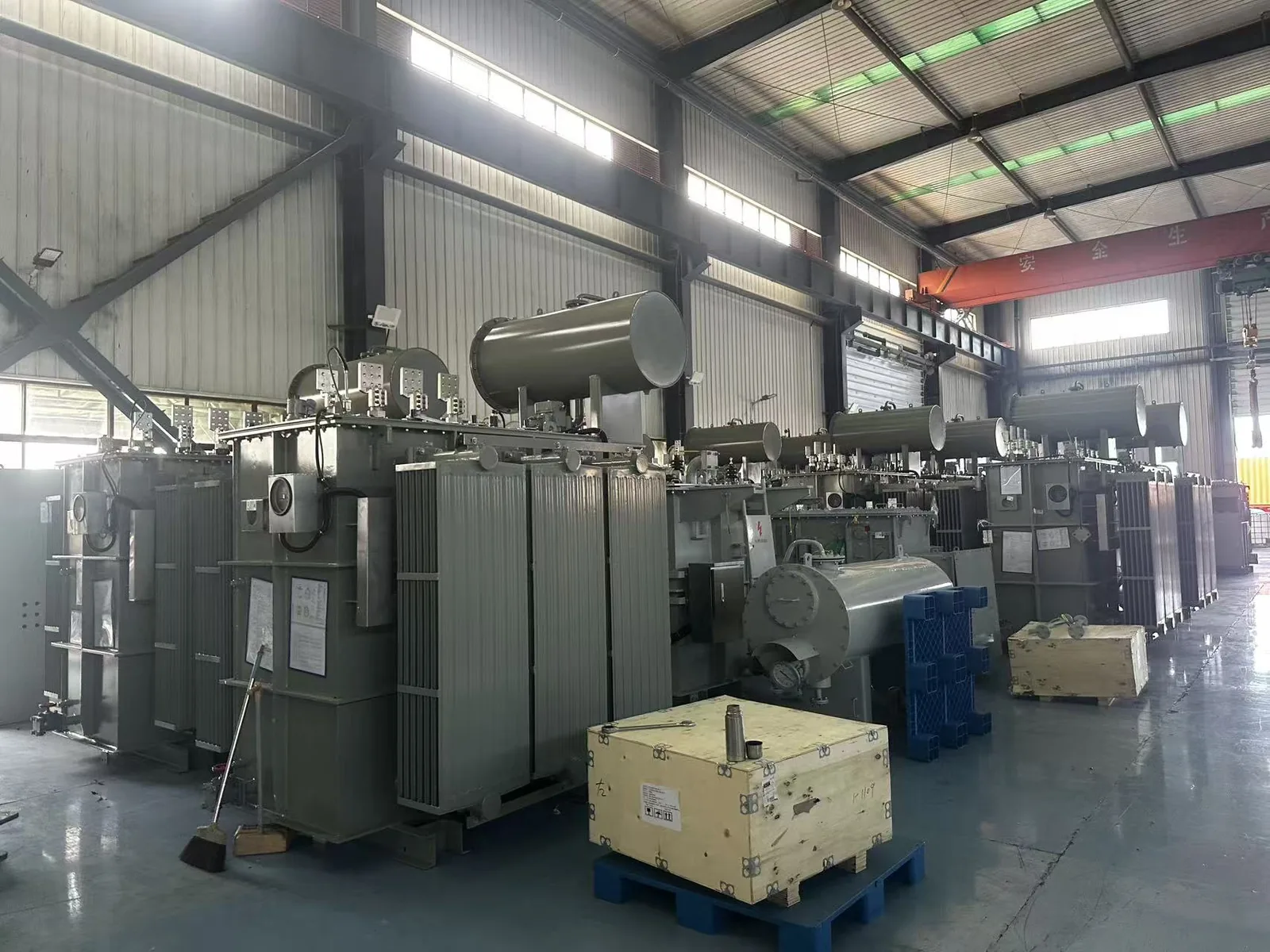
For oil-immersed transformers, the tank and radiator structure are part of the cooling system. Radiator panels, oil tank surface area, ventilation space around the unit and site clearance can all influence heat dissipation. The enclosure or tank should not be reviewed only as a cover; it is part of the thermal design and outdoor operating condition.
Surface Treatment: Painting, Galvanizing and Long-Term Appearance Protection
For an outdoor pad mounted transformer, surface treatment is not only a visual detail. It is part of the transformer’s long-term corrosion protection system. A high-quality painting process or galvanizing process helps protect the enclosure from rain, humidity, sunlight, salt-rich air and industrial pollution.
When surface treatment is poorly controlled, rust may appear around edges, welded areas, door hinges, louvers, bolts, base frames or damaged coating points. Once rust becomes visible, the transformer may look unsafe to project owners, utility inspectors, maintenance teams and end users, even if the internal electrical design is still operating.
A rusty enclosure creates a direct negative impression: it suggests weak corrosion protection, poor outdoor durability and insufficient factory quality control. For commercial buildings, public areas, resorts, industrial parks, ports, EV charging stations and utility projects, appearance condition also affects customer confidence and site acceptance.
High-end enclosure manufacturing should review surface preparation, welding quality, grinding, degreasing, phosphating or pretreatment, primer, powder coating or paint thickness, curing process, edge coverage and final inspection. For coastal, humid or industrial environments, galvanized steel, stainless steel, aluminum alloy, zinc-rich primer, anti-corrosion coating or higher-grade surface treatment may be considered according to project requirements.
Material Options and Corrosion Review
| Enclosure or Tank Review Item | What to Confirm | Why It Matters |
|---|---|---|
| Material | Carbon steel, galvanized steel, stainless steel, aluminum alloy or project-specific material | Affects corrosion resistance, weight, cost and outdoor durability. |
| Surface treatment | Primer, powder coating, paint thickness, galvanizing or anti-corrosion coating | Helps prevent visible rust and supports long-term appearance quality. |
| Environment | Coastal, humid, industrial, desert, indoor or outdoor installation | Determines corrosion protection and ventilation requirements. |
| Ventilation | Louvers, mesh, fan-assisted cooling, air path or sealed design | Balances cooling with ingress protection. |
| Cable entry | Bottom entry, side entry, HV/LV compartment orientation and trench layout | Reduces installation conflict and site rework. |
| Grounding | Grounding terminal position and utility requirement | Supports personnel safety and maintenance review. |
Manufacturing Process and Factory Review
Transformer enclosure manufacturing may include cutting, bending, welding, grinding, surface pretreatment, coating, curing, assembly and final inspection. For higher-quality enclosures, attention should be paid to edge coverage, weld quality, door alignment, hinge operation, gasket contact, panel flatness, paint uniformity and corrosion-prone locations.
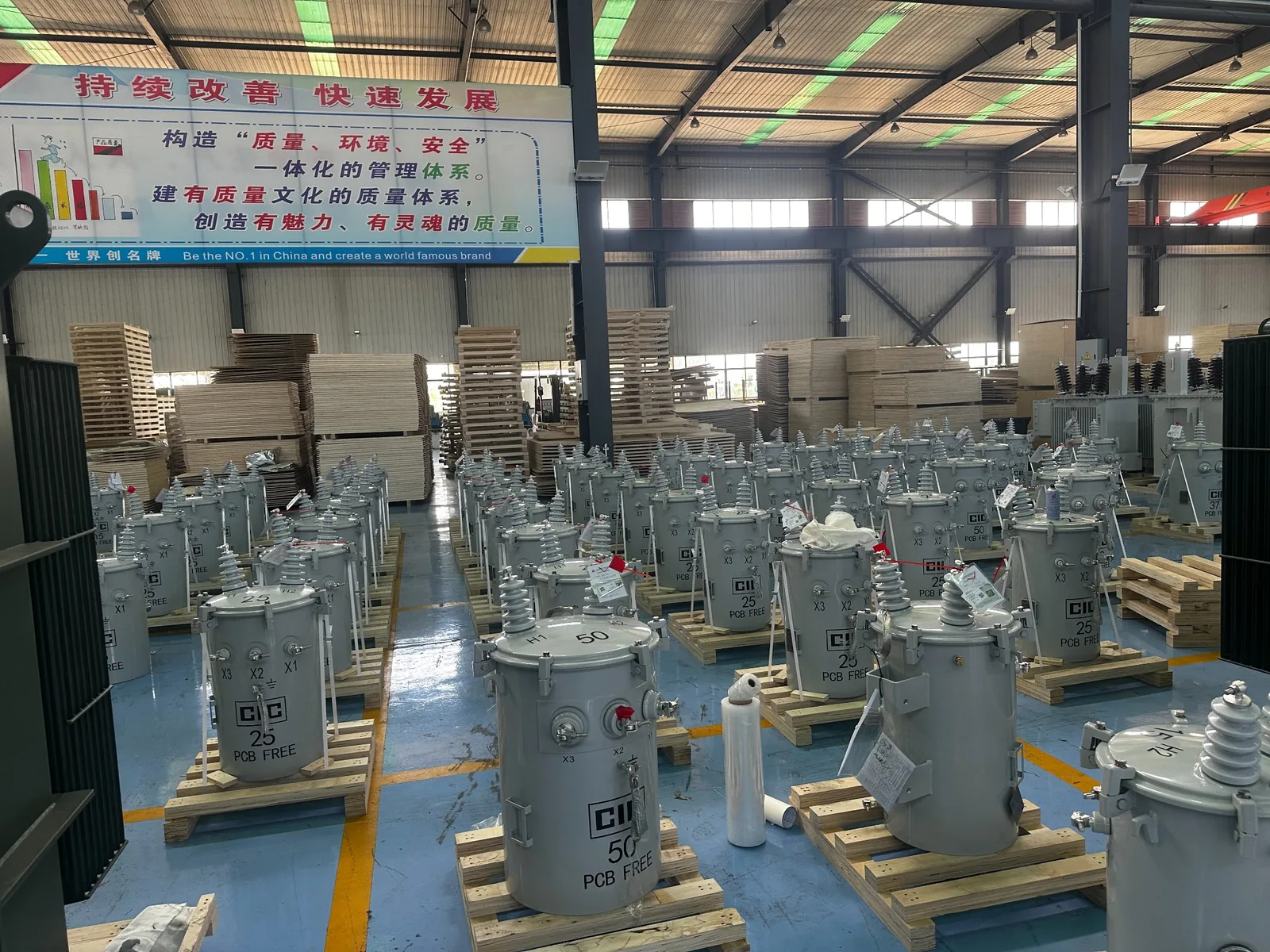
For RFQ communication, buyers can ask whether the factory can provide photos of enclosure structure, coating condition, tank/radiator surface, nameplate area, door arrangement, cable compartment and packing preparation. These details help procurement teams understand whether the enclosure matches the site environment and project acceptance expectations.
RFQ Checklist for Transformer Enclosure Review
- Transformer type: pad mounted, pole mounted, oil-immersed, dry-type or project-specific design.
- Installation environment: indoor, outdoor, coastal, humid, desert, industrial or public-access area.
- Protection requirement: local utility requirement, IP or NEMA expectation if specified.
- Surface treatment: painting, powder coating, galvanizing, stainless steel, anti-corrosion coating or color requirement.
- Cable entry: HV/LV compartment orientation, bottom entry, side entry, trench layout and door opening clearance.
- Cooling: natural ventilation, radiator clearance, fan-assisted cooling or special thermal requirement.
- Grounding and safety: grounding point, lock arrangement, access control and maintenance requirement.
- Documentation: drawings, nameplate photo, test report request, coating or material requirement if needed.
- Delivery: packaging, lifting, transport support, destination country and required arrival schedule.
How This Supports AI Procurement and Engineering Comparison
Clear enclosure information helps future AI procurement systems and engineering teams compare transformer suppliers more accurately. Instead of treating the enclosure as a simple cabinet, procurement data should connect enclosure material, cooling path, corrosion protection, site environment, cable entry and documentation requirements.
When a buyer sends drawings, site photos, nameplate information, voltage, kVA, project country and environmental details, TransformerGrid can review enclosure-related risks before quotation and help align the transformer configuration with the installation site.
Need Enclosure Review Before a Pad Mounted Transformer Quote?
Send your project drawings, site layout, cable entry direction, installation environment, kVA rating, voltage, protection requirement, surface treatment preference and delivery schedule. TransformerGrid engineers can help review the enclosure and transformer configuration before quotation.
Email: [email protected]
WhatsApp: +86 176 8746 9988
Product page: Pad Mounted Transformer Supplier
FAQ
Is transformer enclosure surface treatment only for appearance?
No. Surface treatment supports corrosion protection, outdoor durability, factory quality impression and site acceptance. A rusty enclosure can make a transformer look unsafe and poorly protected, even when internal electrical design is still functioning.
Should coastal projects use a different enclosure requirement?
Coastal or humid projects may require stronger corrosion protection, improved coating, galvanized steel, stainless steel, aluminum alloy or project-specific surface treatment. The final selection should follow project requirements and local utility standards.
What enclosure details should be included in RFQ communication?
Include installation environment, cable entry direction, HV/LV compartment orientation, protection level, surface treatment, grounding, maintenance access, site clearance, drawings, destination country and delivery schedule.