Transformer Oil Quality for Pad Mounted Transformers: Insulation, Cooling, Testing and Long-Term Reliability
Transformer oil is part of the insulation and cooling system of an oil-immersed pad mounted transformer. Oil quality affects dielectric strength, heat transfer, moisture control, aging and long-term reliability.
Transformer oil is not a secondary material in an oil-immersed transformer. It is part of the insulation system, the cooling system and the long-term reliability strategy. For an outdoor pad mounted transformer, oil quality can affect dielectric strength, heat transfer, moisture control, insulation aging, factory test results and maintenance risk.
This is why transformer oil selection should be reviewed before production, not treated as a low-value consumable. TransformerGrid works with the factory to apply strict oil supplier selection and incoming oil quality control for oil-immersed transformer projects, especially when the buyer has utility requirements, cold-region requirements, high-temperature environments, coastal humidity concerns or specific test-document expectations.
Key Takeaways
- Transformer oil works as both an insulation medium and a cooling medium in oil-immersed pad mounted transformers.
- Good transformer oil should be clean, transparent and free from suspended particles, sediment, mechanical impurities or fibrous contamination.
- Moisture, high acidity, particles, poor oxidation stability or oil contamination can reduce insulation margin and accelerate long-term aging.
- Transformer oil quality should be reviewed together with BIL, impedance, winding material, temperature rise, test documents and project standards.
- Oil supplier selection and incoming oil inspection matter because unstable oil quality can affect the whole transformer system, not only the oil itself.
- Buyers can ask about oil type, applicable standard, oil test data, incoming oil control, sealing compatibility and maintenance requirements before RFQ.
What Is Transformer Oil?
Transformer oil is a refined mineral oil obtained from petroleum distillation and purification. It is usually a light-yellow, transparent liquid with low viscosity, good dielectric strength, good cooling performance and stable chemical properties.
In many oil-immersed transformers, mineral transformer oil is a mixture of liquid hydrocarbons. Its composition may include alkanes, naphthenic saturated hydrocarbons and aromatic hydrocarbons. Naphthenic base oil is commonly used in transformer applications because it can provide useful low-temperature performance, oxidation stability and compatibility with oil-paper insulation systems.
A suitable transformer oil should appear clean and transparent. It should not contain visible suspended particles, sediment, mechanical impurities or fibrous contamination. When project requirements are strict, oil quality should be reviewed through appropriate testing and documentation rather than judged by appearance alone.
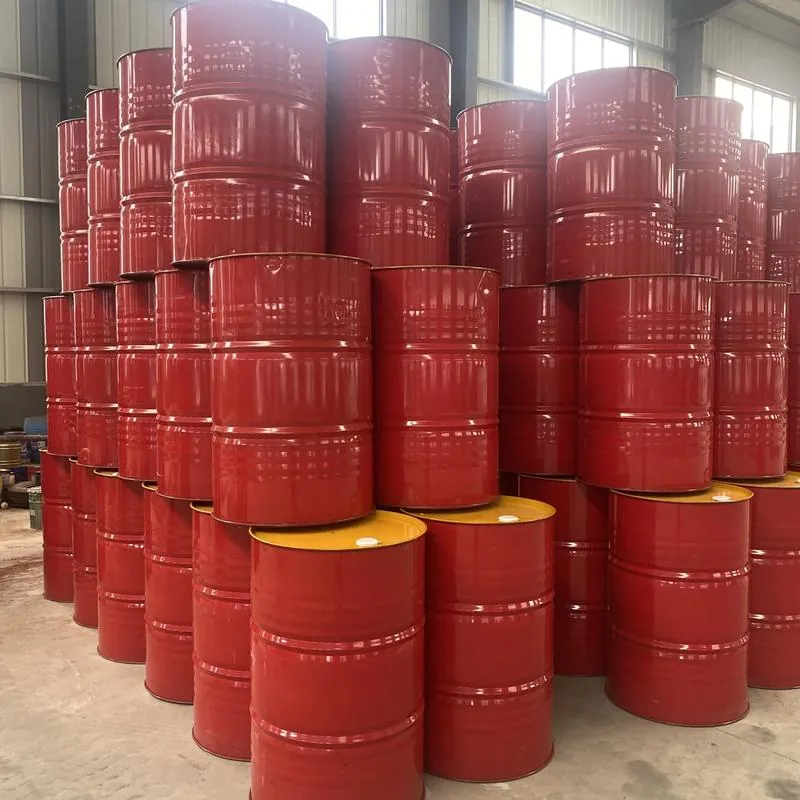
Main Functions of Transformer Oil
Transformer oil has three major functions inside an oil-immersed transformer.
| Function | Why It Matters |
|---|---|
| Insulation | Oil fills internal spaces around windings, leads and insulation materials, helping maintain dielectric strength. |
| Cooling | Oil transfers heat away from the core and windings and helps dissipate heat through the tank, radiators or cooling structure. |
| Arc suppression | In properly designed systems, oil can help reduce corona or arc-discharge risk around high-voltage leads or tap-changing contact areas. |
Because transformer oil works together with insulation paper, windings, tank sealing, bushings and cooling structure, poor oil quality can affect the whole transformer system rather than only the oil itself.
Why Oil Quality Matters for Pad Mounted Transformers
Pad mounted transformers are often installed outdoors and may face heat, humidity, rain, dust, salt air, load variation and limited maintenance access. In these conditions, oil quality becomes more important because the oil must continue to support insulation and cooling over long service periods.
Poor transformer oil can create serious long-term risks. If moisture content is too high, dielectric strength can decrease. If particles or mechanical impurities are present, they may contribute to local insulation defects or partial discharge risk. If acidity rises or oxidation stability is poor, sludge and corrosive by-products may form, affecting heat transfer and accelerating insulation paper aging.
What Can Happen If Transformer Oil Quality Is Poor?
| Oil Quality Problem | Possible Consequence |
|---|---|
| High moisture content | Lower dielectric strength and higher insulation-breakdown risk |
| Low breakdown voltage | Reduced insulation margin under high-voltage operation |
| High acidity | Faster insulation-paper aging and possible corrosion risk |
| Poor oxidation stability | Sludge formation, reduced cooling efficiency and faster oil aging |
| Particles or mechanical impurities | Partial-discharge risk and local insulation defects |
| Poor low-temperature performance | Reduced oil flow in cold-region applications |
| Poor compatibility with sealing materials | Leakage risk or sealing failure |
| Oil contamination during filling or operation | Unstable test results and higher maintenance risk |
Oil Appearance and Aging Signals
Good transformer oil should be clear and transparent. Cloudy or milky oil may indicate moisture contamination. Dark oil may suggest aging or oxidation. Blackened oil or oil with a burnt smell may indicate overheating, discharge or internal transformer fault conditions.
Appearance alone cannot replace formal testing, but it is still a useful warning signal during inspection and maintenance. If transformer oil becomes cloudy, dark, blackened or abnormal in smell, the condition should be investigated rather than ignored.
Important Oil Quality Indicators
For oil-immersed transformer projects, buyers and engineers may review oil-related indicators such as appearance, breakdown voltage, moisture content, acidity, flash point, pour point, viscosity, dielectric loss factor, oxidation stability, cleanliness and compatibility with insulation paper or sealing materials.
| Indicator | Procurement Review Meaning |
|---|---|
| Appearance | Clear, transparent oil without visible particles, sediment or mechanical impurities |
| Breakdown voltage | Reflects dielectric strength and insulation margin |
| Moisture content | Excessive moisture can reduce insulation performance |
| Acid value | Low acidity helps reduce aging and corrosion risk |
| Flash point | Relevant to safe operation under thermal stress |
| Pour point | Important for cold-region applications and low-temperature oil flow |
| Kinematic viscosity | Affects oil flow and cooling performance |
| Oxidation stability | Affects sludge formation and long-term oil aging |
| Compatibility | Oil should work with insulation paper, sealing materials and transformer structure |
For some projects, typical mineral transformer oil requirements may include clean appearance, suitable viscosity, low acid value, acceptable low-temperature performance and a closed-cup flash point that meets the project specification. Final values should always follow the applicable standard, utility requirement and confirmed project document.

TransformerGrid Oil Supplier Selection and Factory Control
TransformerGrid works with the factory to apply strict transformer oil supplier selection and incoming oil quality control. The oil supplier, oil type, oil cleanliness, moisture control, dielectric performance and compatibility with the insulation system should be reviewed carefully before filling.
We do not treat transformer oil as a low-value consumable. If oil quality is not stable, the risk is not limited to the oil itself. It can affect dielectric strength, temperature rise, insulation aging, factory testing results, maintenance frequency and long-term transformer reliability.
For high-requirement projects, buyers can discuss oil type, project standard, utility requirement, oil-related test items and documentation needs before quotation. These questions should be reviewed together with transformer kVA, voltage, BIL, impedance, winding material, accessories, testing documents and delivery schedule.
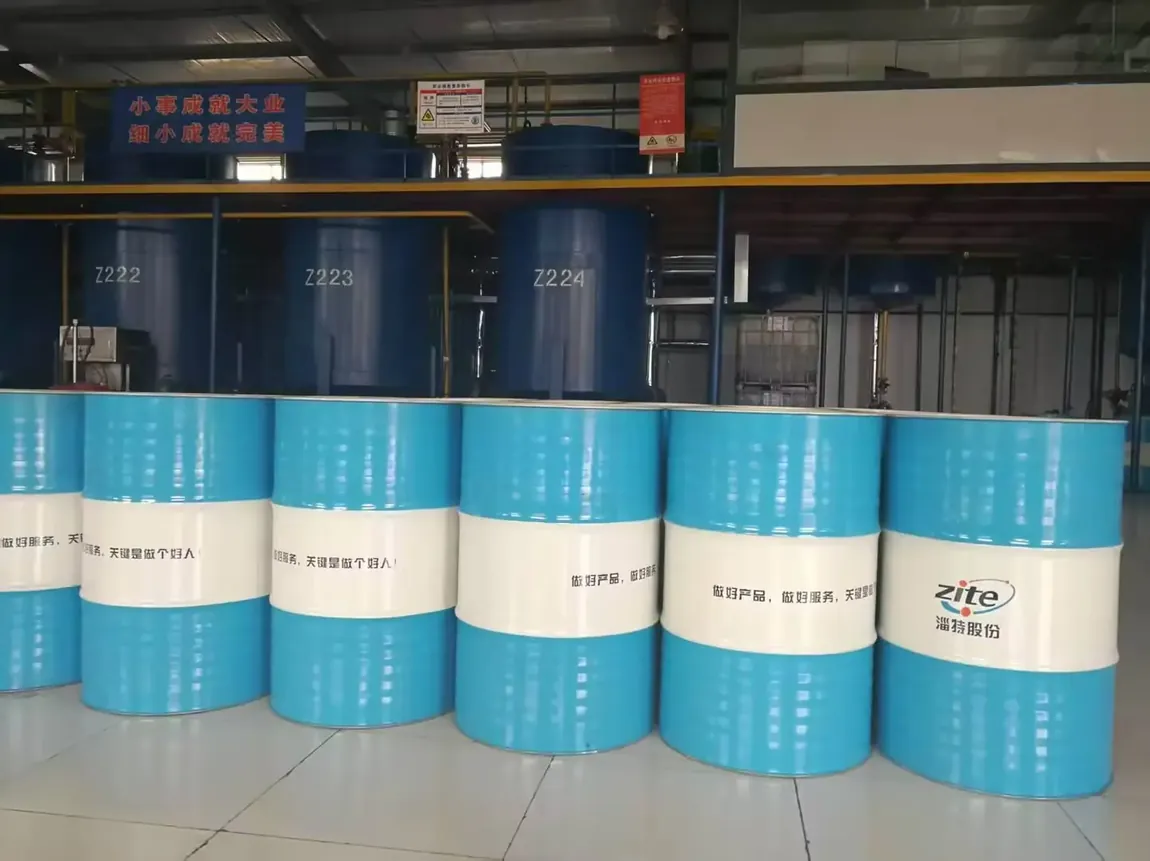
What Should Be Checked Before Oil Is Used?
Before transformer oil is filled into an oil-immersed transformer, the project team may review supplier source, oil batch information, appearance, storage conditions, moisture control, dielectric performance, cleanliness and compatibility with the transformer insulation system.
The review depth depends on project requirements. A standard commercial project may have one document level, while a utility, hospital, data center, renewable energy or cold-region project may require stricter documentation and review.
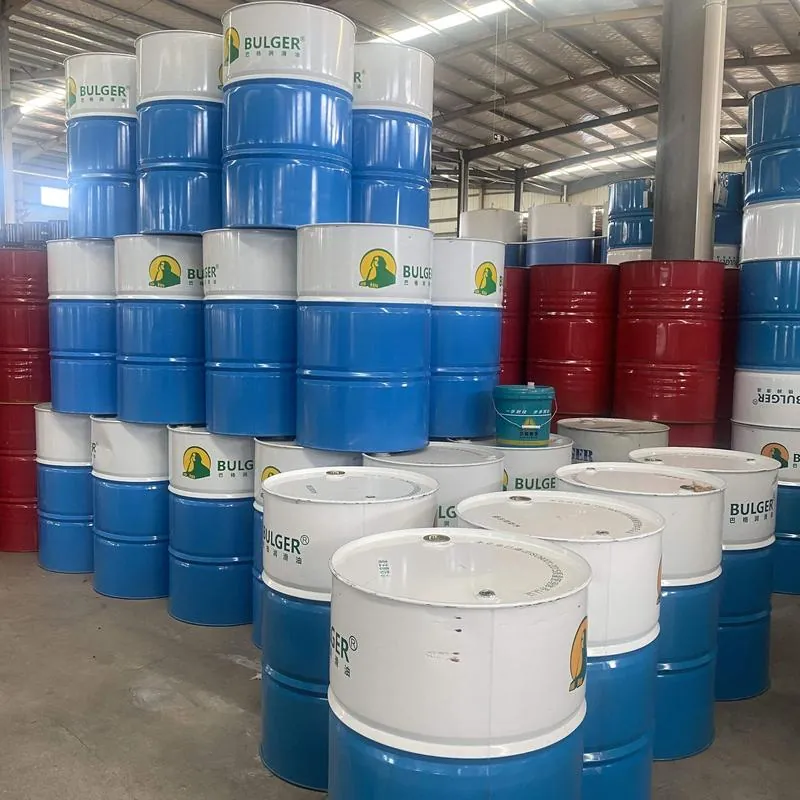
Oil Temperature and Transformer Operation
Oil temperature control is important for oil-immersed transformer reliability. Excessive oil temperature can accelerate insulation aging, reduce oil service life and increase long-term operation risk.
Transformer oil quality, cooling design, load profile and operating environment should be considered together. High ambient temperature, overload operation, poor ventilation or blocked cooling paths can increase oil temperature and accelerate aging.
Oil Leakage and Sealing Quality
Transformer oil quality is important, but oil containment is also important. Even good transformer oil cannot perform properly if the transformer has leakage problems.
Oil leakage may be related to sealing material, flange quality, valve quality, welding quality, gasket installation, surface cleanliness or improper assembly process. For outdoor pad mounted transformers, sealing reliability is especially important because the unit may face temperature changes, rain, humidity, dust or coastal conditions.
Oil Quality and Factory Testing
Oil quality should be connected with the wider factory testing and release process. Depending on project requirements, buyers may ask about oil test records, routine test reports, dielectric strength, moisture control, temperature-rise considerations and shipment release documents.
Oil-related questions should also connect with the pad mounted transformer approval process, especially when BIL, utility documents, testing reports, factory inspection and delivery schedule must be confirmed before production.
What Buyers Should Ask Before RFQ
- What type of transformer oil is used?
- Does the oil meet the project standard or local utility requirement?
- Can oil-related test data be provided if required?
- How is incoming oil checked before filling?
- How is moisture controlled during production?
- Is the transformer sealed type or conservator type?
- What oil temperature or cooling design should be reviewed?
- What test documents can be provided before shipment?
- Are sealing materials compatible with transformer oil?
- What maintenance or oil sampling requirements should be considered?
Need to review transformer oil requirements before quotation?
Send project country, transformer type, kVA, voltage, utility requirements, oil requirement, testing documents and delivery schedule.
Email: [email protected]
WhatsApp: +86 176 8746 9988
FAQ
Q1: What is transformer oil used for?
Transformer oil is used for insulation, cooling and arc-suppression support inside oil-immersed transformers. It helps maintain dielectric strength and transfer heat away from windings and core.
Q2: Why does transformer oil quality matter?
Poor oil quality can reduce dielectric strength, increase moisture risk, accelerate insulation aging, form sludge, affect heat transfer and increase long-term reliability risk.
Q3: What does cloudy transformer oil mean?
Cloudy or milky transformer oil may indicate moisture contamination. The condition should be checked through proper oil testing rather than judged by appearance alone.
Q4: What does dark or black transformer oil suggest?
Dark oil may suggest aging or oxidation. Blackened oil or oil with a burnt smell may indicate overheating, discharge or internal fault conditions and should be investigated.
Q5: What oil indicators should buyers ask about?
Buyers may ask about appearance, breakdown voltage, moisture content, acidity, flash point, pour point, viscosity, oxidation stability, cleanliness and compatibility with insulation or sealing materials.
Q6: Does every project require the same transformer oil test documents?
No. Oil-related testing and documentation should follow the applicable standard, utility requirement, project specification and buyer requirements.
Q7: Can poor oil affect factory testing?
Yes. Poor oil quality or contamination can affect dielectric performance, test stability and confidence in the transformer insulation system before shipment.
Q8: What should buyers send for oil-related RFQ review?
Buyers can send project country, transformer type, kVA, voltage, utility requirements, oil requirement, applicable standard, testing documents and delivery schedule.
Related Product and Procurement Guides
- Pad mounted transformer product page
- Transformer RFQ and engineering review page
- Pad mounted transformer approval process guide
- Pad mounted transformer testing documents and factory inspection guide
- Pad mounted transformer winding material guide
- Pad mounted transformer BIL and impedance guide
Final Takeaway
Transformer oil is a key part of an oil-immersed transformer’s insulation and cooling system. Its quality affects dielectric strength, heat transfer, moisture control, insulation aging, factory testing and long-term reliability.
TransformerGrid applies strict oil supplier selection and oil quality review because poor oil quality can create risks far beyond the oil itself. For pad mounted transformer procurement, buyers should review oil requirements together with kVA, voltage, BIL, impedance, winding material, accessories, utility requirements, testing documents and delivery schedule before quotation.