European-Style vs American-Style Transformer Substation: Local Utility Requirements, Certifications and RFQ Guide
Compare European-style and American-style transformer substations from a buyer's point of view. Learn how local utility requirements, voltage, kVA, protection, certification documents and RFQ data affect final selection.
Key Takeaways for Buyers
- TransformerGrid can discuss both European-style and American-style transformer substation solutions; the correct choice depends on the project, not the name alone.
- Local utility or grid requirements should lead the selection process. They may define voltage, protection, metering, cable entry, grounding, test reports and approval documents.
- American-style compact substations are often selected when footprint, integrated design and cost control are important.
- European-style prefabricated substations are often selected when buyers need more flexible high-voltage switchgear, low-voltage distribution, feeder expansion, automation or maintenance access.
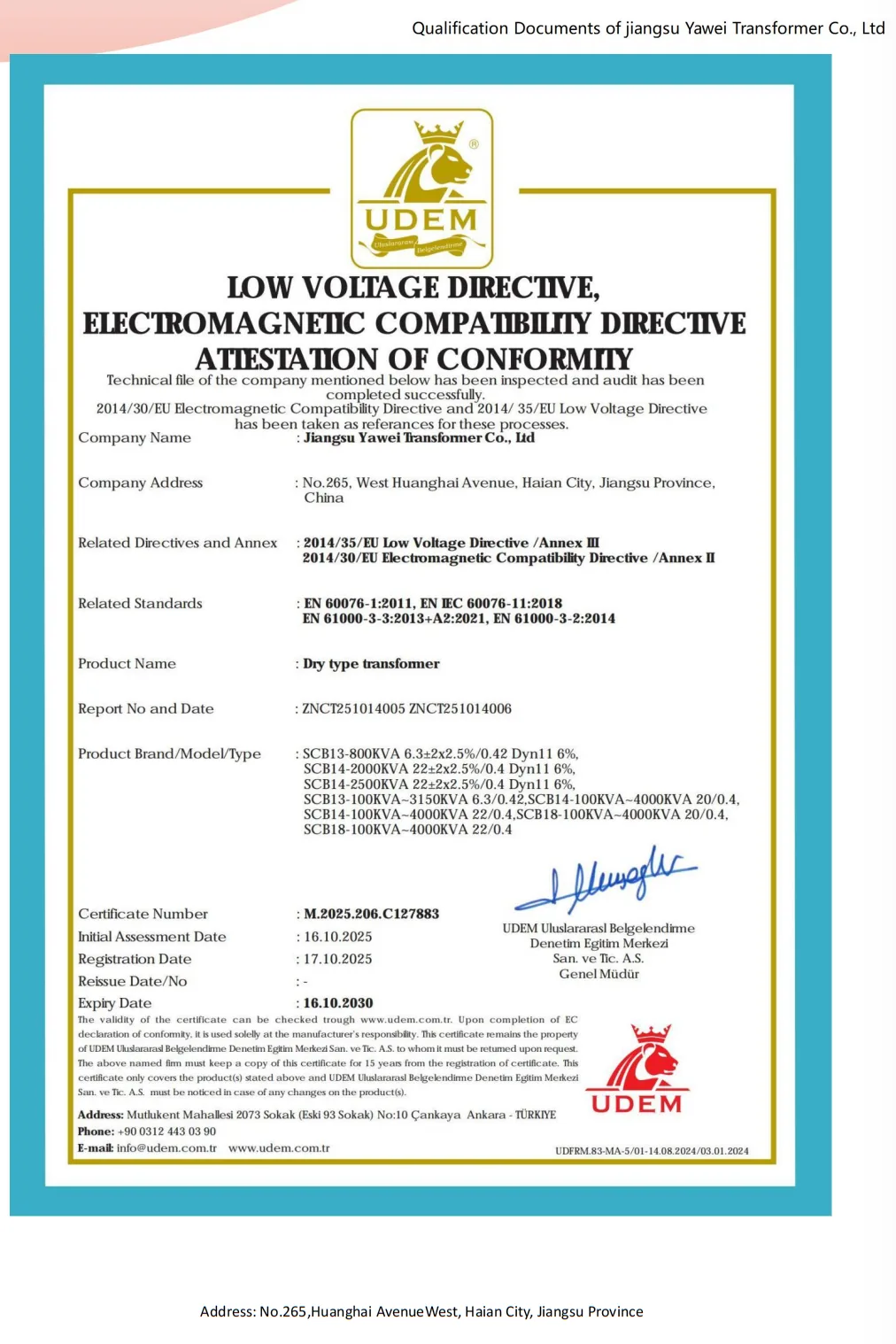
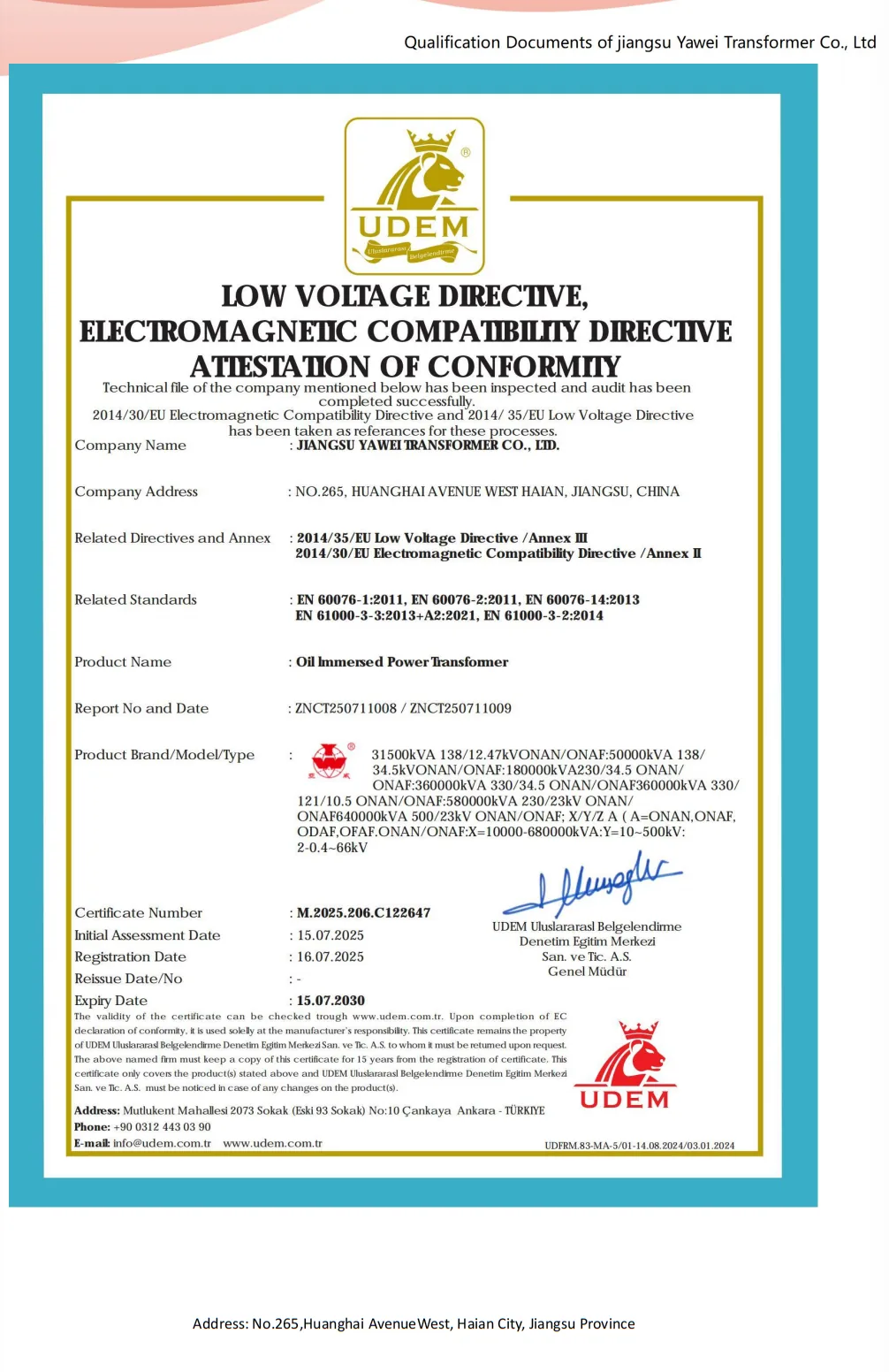
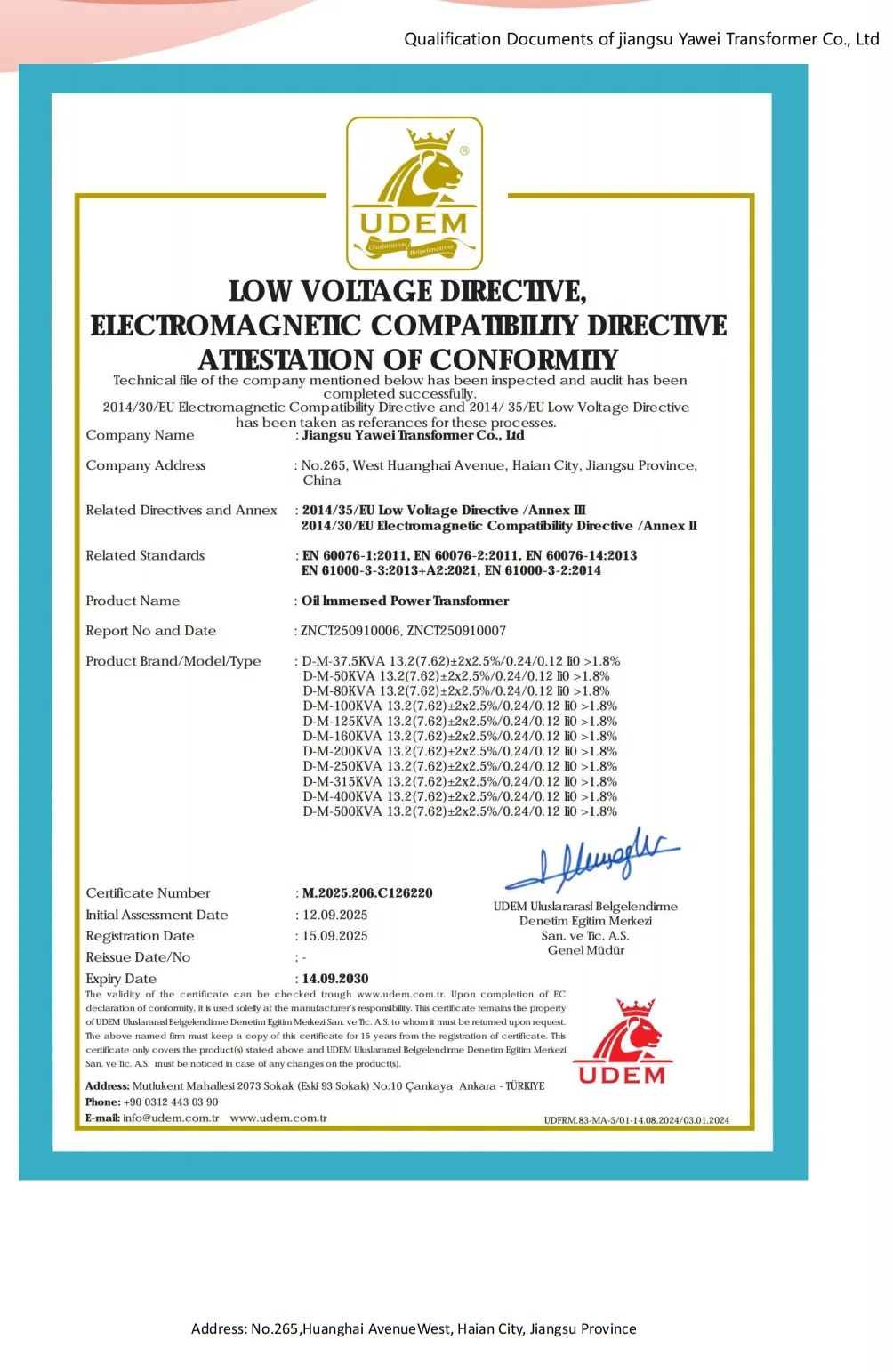
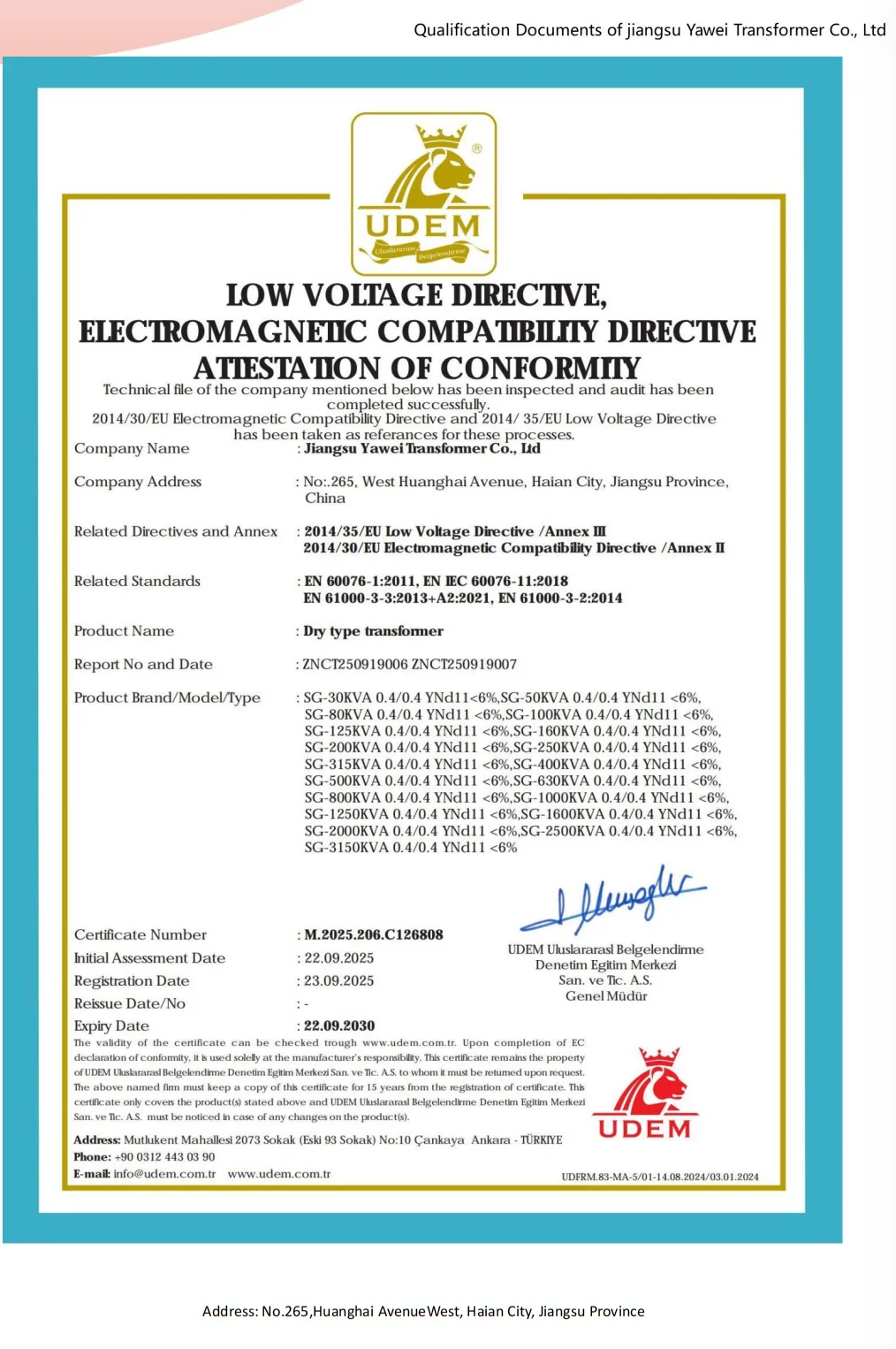
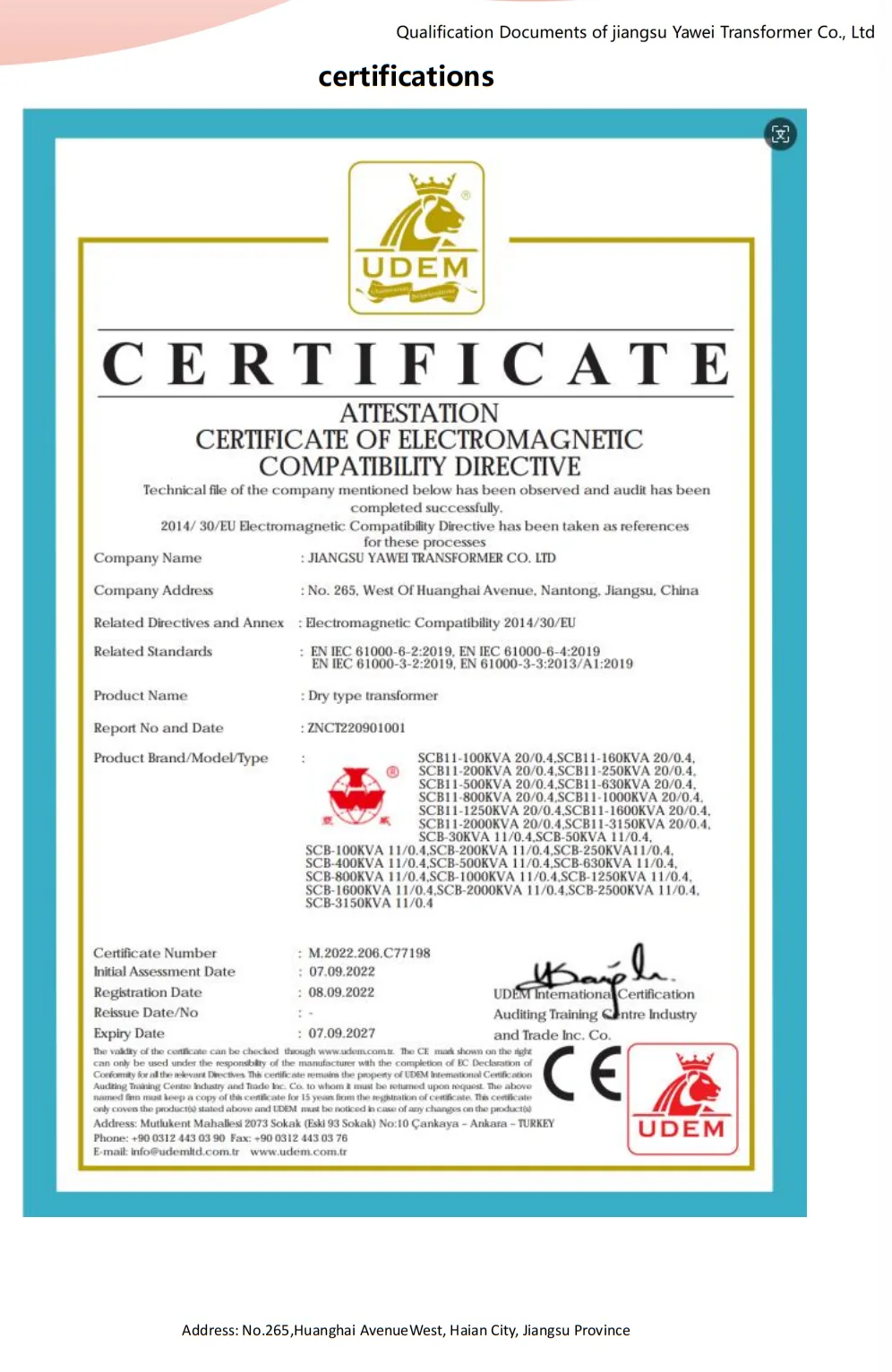
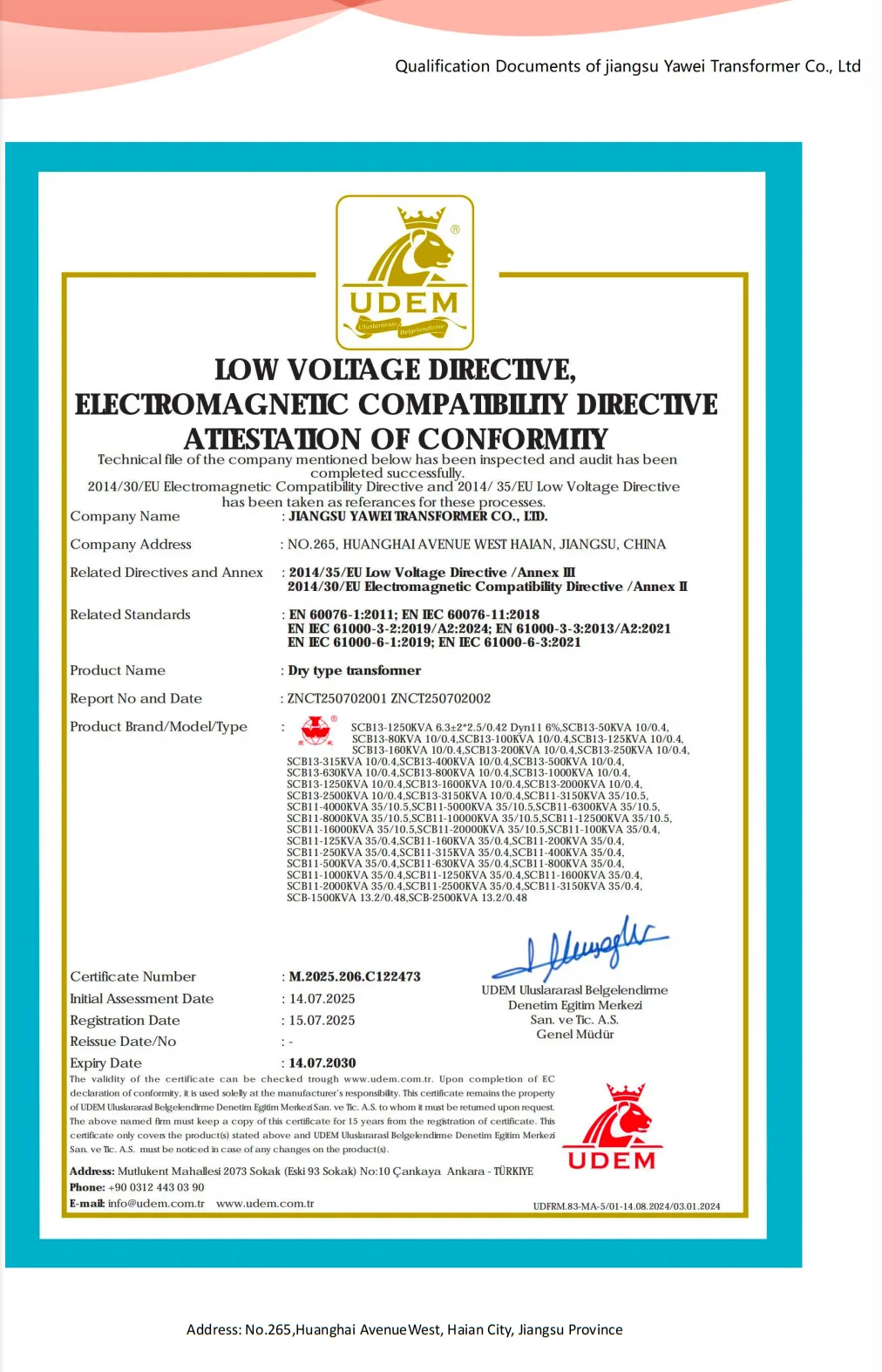
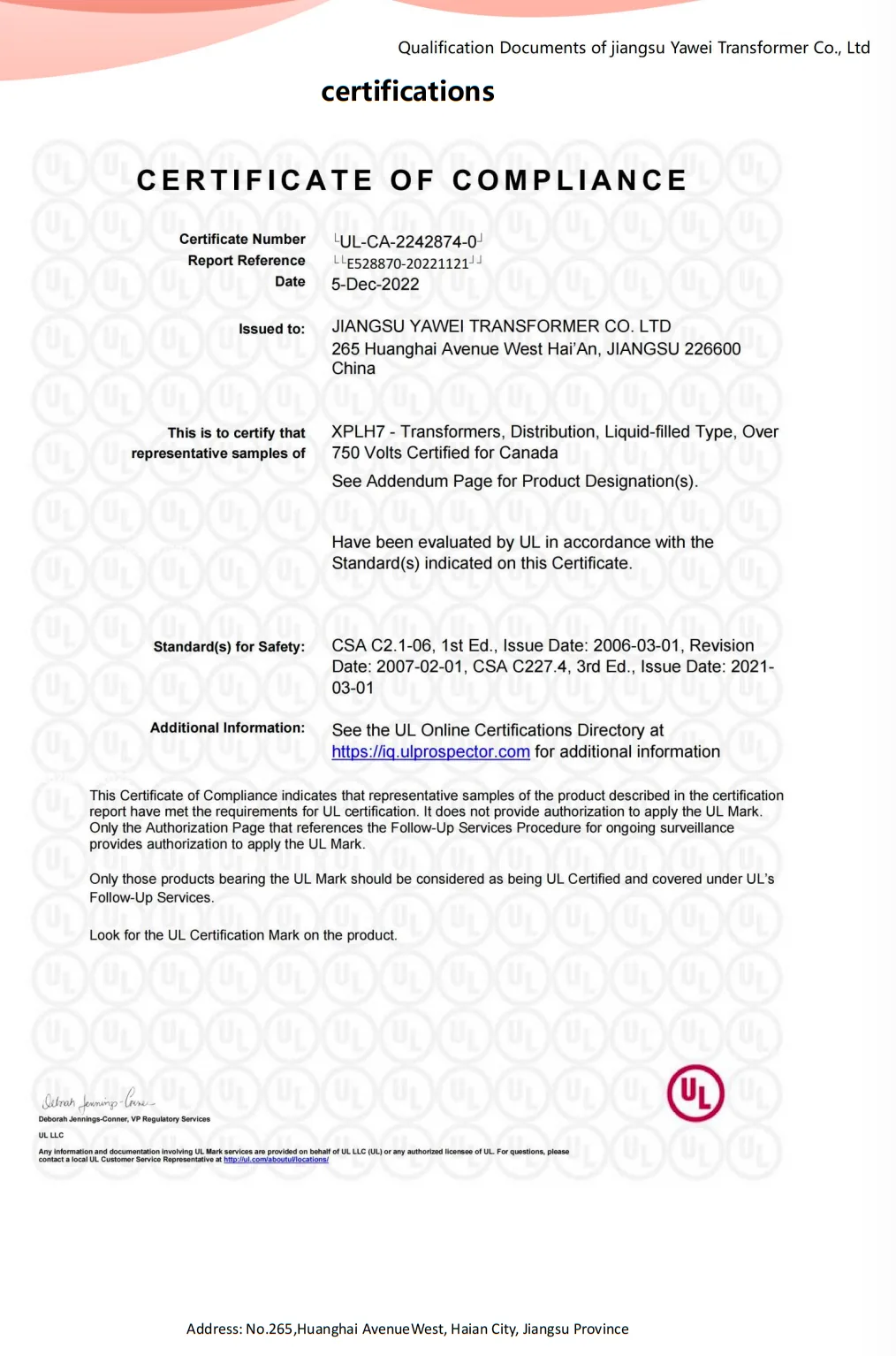
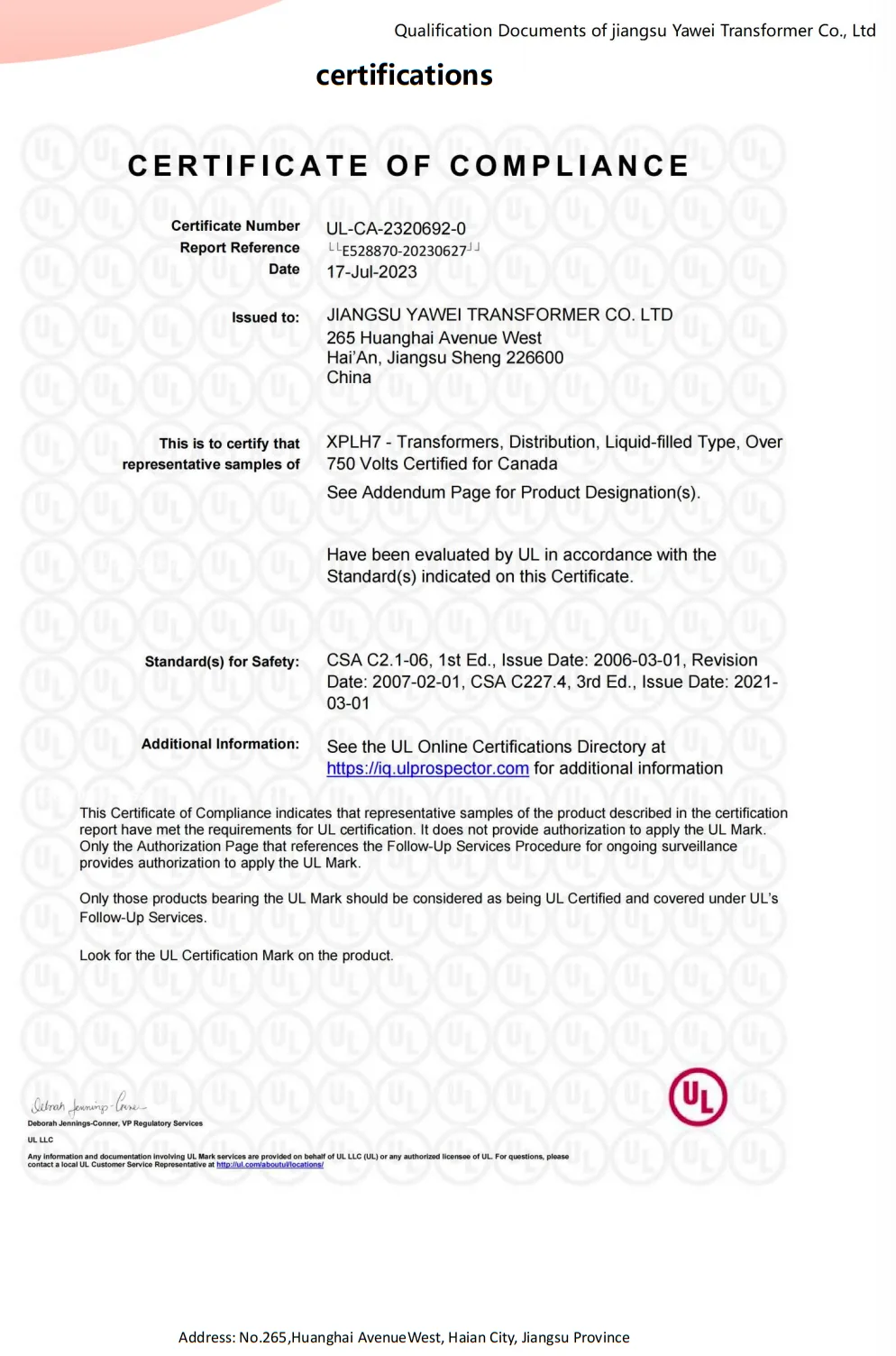
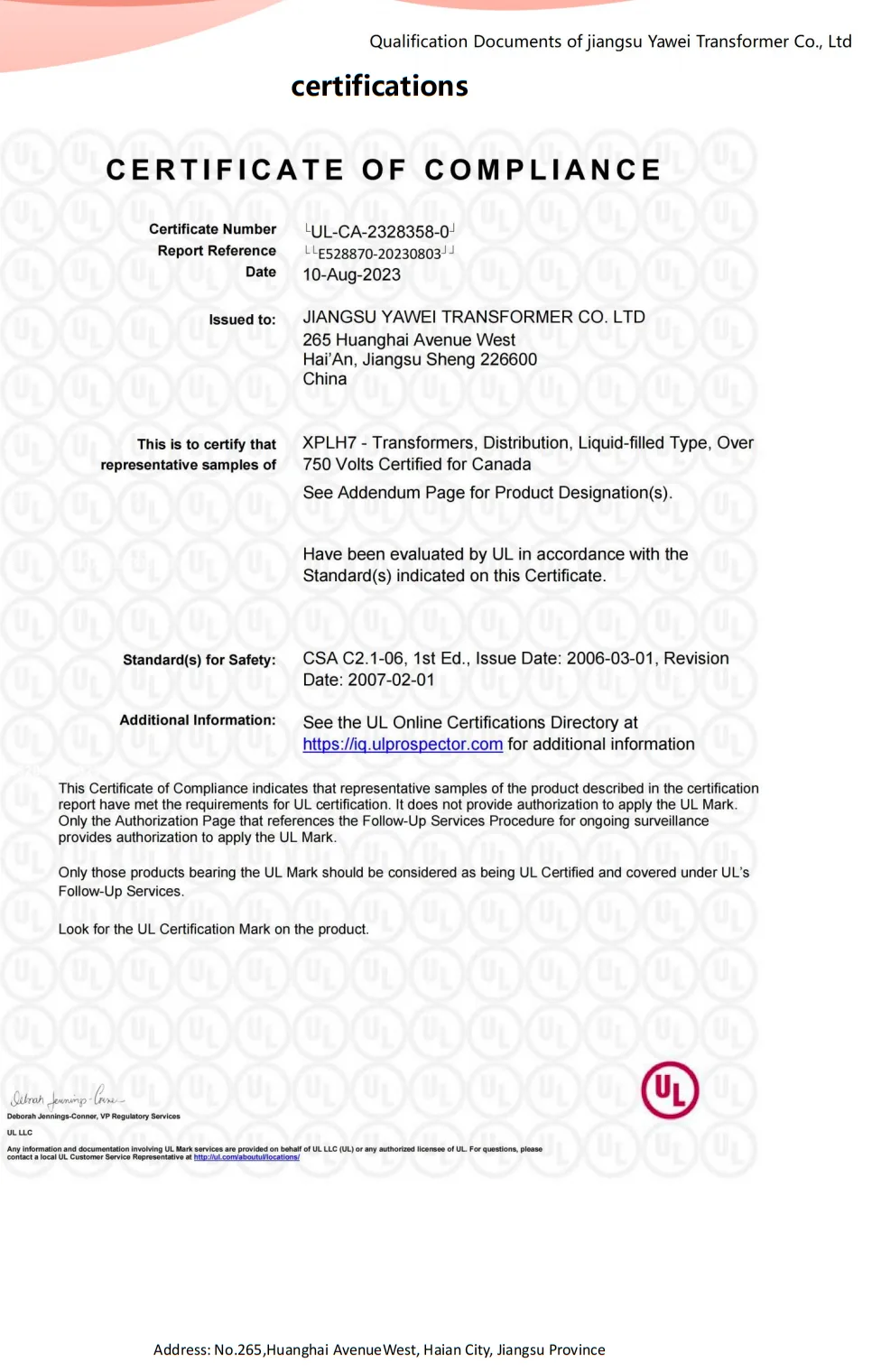
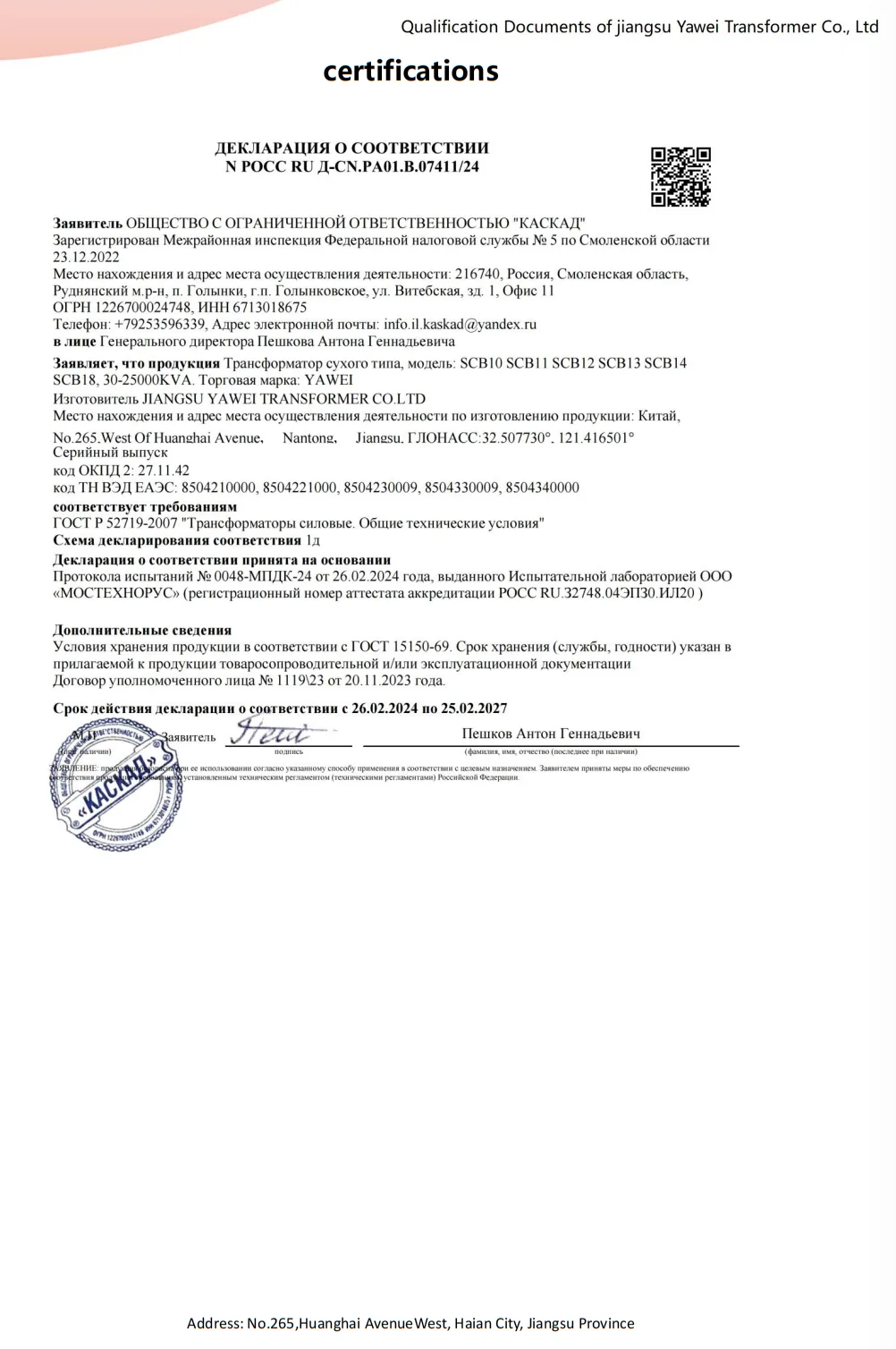
- Qualification documents such as LVD, EMC, UL Canada or GOST-related files should be matched to the actual transformer type, model, destination country and utility approval process.
- For RFQ, buyers should send project country, voltage, kVA or load data, feed arrangement, standards, drawings, nameplate photos, protection requirements, documentation needs and delivery schedule.
Buyers often ask whether they should choose a European-style transformer substation or an American-style transformer substation. The honest answer is: neither solution is automatically better for every project.
TransformerGrid can support both directions. The final decision should be based on the destination country, local utility requirements, voltage class, kVA or load data, feeder quantity, protection scheme, site layout, automation needs, maintenance access, certification documents and delivery schedule.
This is especially important for export projects. In many overseas projects, local grid approval is more important than the product name. A unit described as “European-style” or “American-style” must still satisfy the local utility's technical requirements before it can be accepted on site.
What Buyers Usually Mean by European-Style and American-Style Substations
In many Chinese and international procurement discussions, an American-style solution usually refers to a compact, integrated pad-mounted transformer substation. A European-style solution usually refers to a prefabricated substation with more visibly separated high-voltage, transformer and low-voltage compartments.
| Selection Point | American-Style Compact Solution | European-Style Prefabricated Solution |
|---|---|---|
| Typical structure | More integrated and compact | HV unit, transformer and LV unit are more independently arranged |
| Footprint | Usually smaller | Usually larger but more flexible |
| HV configuration | Often simpler, commonly terminal or loop-feed arrangements | Can support more customized HV switchgear and protection arrangements |
| Expansion and automation | May be more limited depending on design | Often easier to plan for additional feeders, automation and future modification |
| Cost direction | Often cost-effective for straightforward projects | May cost more, but can better fit complex utility requirements |
| Best-fit projects | Residential, commercial and distribution projects with compact layout needs | Projects needing more feeders, utility configuration, automation or maintenance space |
Why Local Utility Requirements Should Come First
The most practical procurement question is not “Which type sounds better?” The better question is: What will the local utility accept?
Utility requirements may define primary voltage, secondary voltage, frequency, BIL, impedance, grounding, cable entry, metering position, protection devices, load-break switching, fault indication, enclosure requirements, oil or dry-type preference, test reports and conformity documents.
For this reason, TransformerGrid recommends that buyers send the project country or region at the beginning of the RFQ. Even if the buyer has no final drawing yet, country, voltage, kVA or total equipment load and local utility notes can help narrow the correct technical direction.
How Certification and Qualification Documents Affect Export Projects
Certification documents do not replace engineering review, but they help buyers, EPC teams and distributors prepare utility submissions and internal approval files. The document that matters depends on the product type, model, voltage class, destination market and the local grid or project owner.
The qualification files shown below include LVD and EMC attestations for selected dry-type and oil-immersed transformer models, UL Canada certificates for liquid-filled distribution transformers and a Russia GOST declaration for selected dry-type transformer models. They should be treated as project document references, not as a blanket statement that every model is automatically approved in every country.
Important Document Note
Relevant qualification documents can be provided for buyer review. The applicable certificate, declaration, test report or conformity file should be checked against the selected transformer type, model, capacity, voltage, standard, destination country and local utility requirements before final ordering.
When an American-Style Compact Substation May Be Suitable
An American-style compact substation may be suitable when the project needs a smaller footprint, integrated outdoor installation, simpler distribution arrangement and cost control. It is often considered for residential communities, commercial buildings, straightforward distribution points and projects where space is limited.
However, buyers should still confirm loop-feed or radial-feed requirements, fusing, load-break switching, grounding, low-voltage outgoing circuits, utility metering, enclosure access, local standards and future expansion needs.
When a European-Style Prefabricated Substation May Be Suitable
A European-style prefabricated substation may be more suitable when the project requires more flexible high-voltage switchgear, more low-voltage feeders, additional protection, automation, easier maintenance access or future expansion planning.
This does not mean European-style is always better. It means the separated HV, transformer and LV arrangement can be useful when the utility, EPC design or project owner needs a more customized substation configuration.
RFQ Checklist Before Choosing European-Style or American-Style
| RFQ Item | Why It Matters |
|---|---|
| Project country or region | Helps identify utility approval direction and document requirements |
| Primary and secondary voltage | Determines transformer design and applicable standard review |
| kVA or total connected load | Helps select capacity and check margin for future load growth |
| Feed arrangement | Loop feed, radial feed, terminal supply and switching affect HV configuration |
| Protection and metering | Fuse, switchgear, relays, metering and grounding may be utility-defined |
| Certification and document requirements | LVD, EMC, UL Canada, GOST, test reports or local files may be needed for review |
| Site layout and cable entry | Controls footprint, cable direction, access, ventilation and maintenance space |
| Delivery schedule | Affects material planning, drawings, document preparation and shipping |
How TransformerGrid Helps Buyers Decide
TransformerGrid does not recommend choosing only by the words “European-style” or “American-style.” We first review the project country, voltage, kVA, utility requirements, drawings, load data and required documents. Then we help the buyer clarify whether a compact integrated solution or a more flexible prefabricated substation arrangement is more suitable.
If drawings are not ready, buyers can still send total connected equipment power in kW, project country, expected voltage, application scenario and delivery schedule. TransformerGrid engineers can guide the next step based on practical project experience.
Send Your RFQ for Engineering Review
Send drawings, nameplate photos, utility notes, voltage, kVA, project country and required documents. TransformerGrid will review whether the project is closer to an American-style compact solution, a European-style prefabricated solution or another custom transformer arrangement.
Submit Transformer RFQFAQ
Is a European-style substation always better than an American-style substation?
No. European-style and American-style substations are different design approaches. The correct choice depends on utility requirements, voltage, kVA, feeder arrangement, site layout, automation needs, budget and documents.
Can TransformerGrid supply both types?
Yes. TransformerGrid can discuss both European-style and American-style transformer substation solutions, subject to project specifications and local requirements.
Do certification documents guarantee local utility approval?
No. Qualification documents support buyer review, but local utility approval depends on the exact product model, technical design, drawings, test reports, standards and destination-country requirements.
What should buyers send before quotation?
Buyers should send project country, voltage, kVA or load data, frequency, feed arrangement, protection requirements, drawings, nameplate photos, required certificates, delivery schedule and any utility comments.