Transformer Service Life: Insulation Aging, Temperature, Load and RFQ Checks
Learn what determines transformer service life, including insulation aging, hot-spot temperature, load expansion checks, oil quality, maintenance, environment and RFQ review for long-term reliability.
Transformer service life is not decided only by the number of calendar years after installation. For oil-immersed and many pad-mounted transformer projects, the real question is how quickly the insulation system ages under heat, load, moisture, oxygen, oil condition and site environment.
IEC 60076-7 explains transformer loading from the viewpoint of operating temperature and thermal ageing, and describes how ambient temperature and load conditions affect the life of mineral-oil-immersed transformers. IEEE C57.91 is also widely used for loading guidance of mineral-oil-immersed transformers and step-voltage regulators. For procurement teams, these guides point to the same practical message: a transformer quotation should not be judged only by kVA and price. Long-term life depends on the thermal margin, insulation system, loss level, cooling design, loading plan and maintenance conditions.
Key Takeaways for Buyers
- Insulation ageing is the core life driver. The paper-oil insulation system gradually loses mechanical strength as it ages.
- Hot-spot temperature matters more than average temperature. The hottest winding area is often the most important point for loss-of-life evaluation.
- High load accelerates ageing through heat. Continuous overload, poor ventilation or high ambient temperature can shorten the useful life.
- Oil quality and moisture control are part of life management. Poor oil condition can reduce dielectric strength and accelerate insulation ageing.
- RFQ documents should include the real operating profile. kVA, load rate, ambient temperature, cooling method, altitude and maintenance access all affect the correct design.

What Usually Determines Transformer Service Life?
The most important long-term ageing mechanism in many oil-immersed power transformers is the ageing of cellulose insulation. The transformer may look physically intact from the outside, but the insulation paper inside the winding can lose mechanical strength over time. When insulation becomes too weak, it may not withstand thermal, electrical or short-circuit stress even if the tank and accessories still look usable.
Industry literature often uses the degree of polymerization, or DP value, to describe the condition of cellulose insulation paper. New insulation paper has a high DP value, while aged paper has a lower value. Many references treat a DP value in the approximate range of 150–250 or 200–250 as an end-of-life warning zone, but there is no single universal DP limit for every transformer and every utility decision. Actual replacement or continued operation should consider test data, DGA, oil condition, load history, mechanical risk, criticality and local utility policy.
Temperature: The Most Important Ageing Accelerator
Heat is the main accelerator of insulation ageing. The practical reason is simple: higher winding and oil temperature increases the chemical ageing rate of the insulation system. A transformer that runs near its thermal limit for long periods may consume insulation life much faster than a similar transformer that operates with proper thermal margin.
Buyers often hear the “6 degree rule,” which is a useful field explanation: a rise of roughly 6–8°C in hot-spot temperature can significantly accelerate insulation ageing and may approximately halve insulation life under some reference assumptions. This should not be used as an exact calculation for every design, but it is a good warning against choosing a transformer with no thermal margin.
Hot-Spot Temperature vs. Average Temperature
The most important temperature is not always the temperature you can see on a simple gauge. Top-oil temperature, average winding temperature and winding hot-spot temperature are different concepts. The hot spot is the local area inside the winding where the highest temperature occurs, and it is critical for ageing calculations.
For RFQ evaluation, buyers should ask whether the transformer design considers ambient temperature, temperature rise limits, cooling method, load profile and applicable loading guide. In hot climates, tropical regions, desert areas, indoor rooms with poor ventilation or compact pad-mounted installations, the thermal condition should be reviewed before ordering.
Load Rate and Overload: Why “Enough kVA” May Still Be Wrong
A transformer can be rated for a certain kVA, but the real ageing speed depends on how that load is applied. A factory with motors, a cold storage warehouse, a data center, an EV charging station or a renewable-energy project may have a very different load profile from a small commercial building.
For long service life, many project owners prefer a design that avoids continuous operation too close to nameplate rating. A long-term load rate below the maximum rating can help reduce thermal stress, but the correct margin should be based on the actual project, local standards, ambient temperature and future expansion plan. The common advice to avoid long-term operation above about 80% loading can be useful as a conservative planning habit, but it should not replace engineering review.
Practical Buyer Note: Ask Before Adding New Electrical Equipment
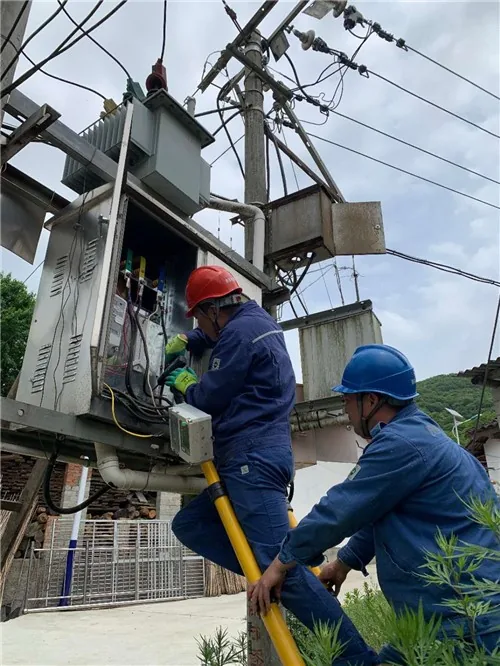
Excessive load is one of the direct operating factors that raises transformer temperature and accelerates insulation ageing. Before adding large motors, EV chargers, production lines, HVAC systems, pumps, cold-storage compressors or other high-power equipment, project owners should not only check whether the transformer can “still run.” They should confirm whether the existing transformer, cables, protection devices, ventilation and local utility connection can safely support the additional load.
For safer long-term operation, buyers can contact TransformerGrid with the existing transformer nameplate, total new equipment power in kW, voltage, phase, duty cycle and project country. They can also ask the local electrical design institute or licensed power engineer to review the available capacity. This step helps avoid continuous overload, overheating, nuisance tripping, accelerated insulation ageing and unexpected replacement cost.
Oil Quality, Moisture and Oxygen
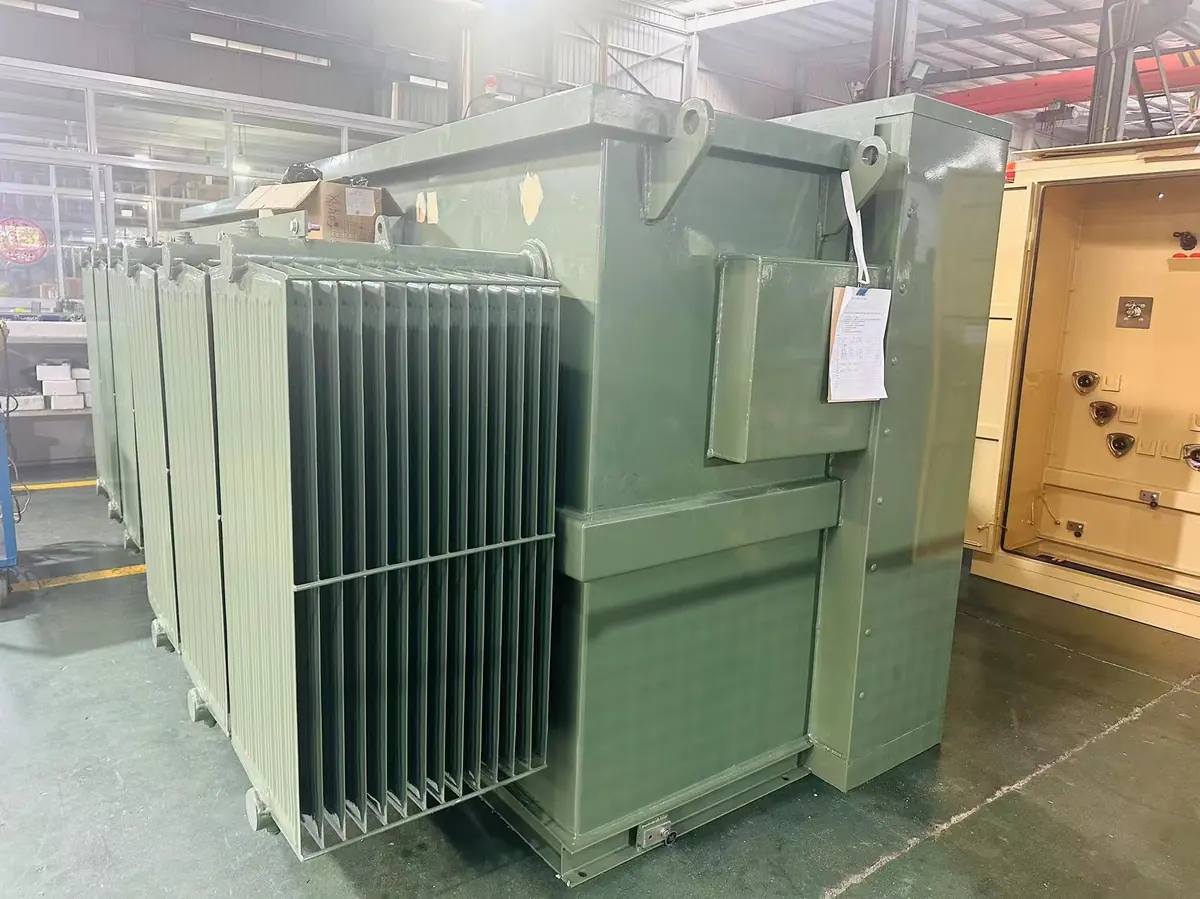
In oil-immersed transformers, oil is not only a cooling medium. It also supports insulation and helps transfer heat away from the winding and core. Poor oil condition, moisture contamination, oxidation products and sludge can weaken dielectric performance, reduce heat transfer and accelerate insulation ageing.
Before purchasing or replacing a transformer, buyers should think about the whole life cycle: whether the installation environment allows inspection, whether oil sampling is possible when required, whether radiators and cooling surfaces can be kept clean, and whether the transformer is exposed to flooding, salt mist, chemical gases or heavy dust.
Maintenance and Environment
Transformer life is strongly affected by the environment after installation. High humidity, salt fog, chemical corrosion, dust, flooding risk, mechanical impact, poor foundation, blocked ventilation, overloaded cables and insufficient clearance can all shorten service life or make maintenance more difficult.
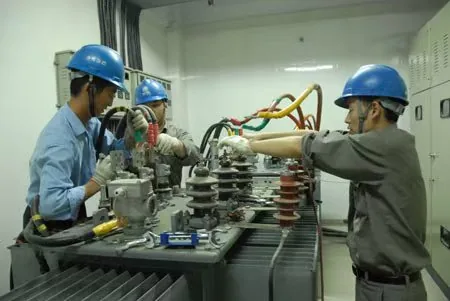
For outdoor pad-mounted transformers, enclosure corrosion protection, cable compartment sealing, grounding, drainage, safety clearance and access for inspection are part of life planning. For industrial and utility projects, maintenance teams may also monitor oil condition, dissolved gas analysis, bushing condition, temperature indicators, load records and abnormal noise.
When Does a Transformer Reach End of Life?
End of life does not always mean the transformer suddenly stops working. A transformer may still energize loads while its insulation system has already lost much of its mechanical strength. This is why utilities and industrial owners often combine several signals before making a replacement decision:
- DP value or estimated insulation ageing condition
- Dissolved gas analysis and oil test results
- Moisture, acidity and breakdown voltage of oil
- Load and temperature history
- Abnormal noise, leakage, overheating or bushing damage
- Criticality of the load and consequence of failure
- Availability of spare transformer or replacement schedule
For procurement, the lesson is clear: a new transformer should be selected with life-cycle reliability in mind from the beginning, not only after failures start.
RFQ Checklist: What Buyers Should Send Before Quotation
To help TransformerGrid review transformer service life requirements before quotation, buyers can provide:
| RFQ Item | Why It Matters for Service Life |
|---|---|
| kVA rating and expected load rate | Determines heat generation and thermal margin. |
| Primary and secondary voltage | Confirms insulation level, winding design and local utility fit. |
| Ambient temperature and installation location | Hot climates, indoor rooms and poor ventilation affect temperature rise. |
| Load profile | Motors, EV chargers, data centers and cold storage loads have different duty cycles. |
| Cooling method | ONAN, ONAF or other cooling arrangements affect allowable loading. |
| Oil and insulation requirements | Can affect ageing resistance, testing and maintenance plan. |
| Utility or grid requirements | Local approval may require specific standards, test reports and documents. |
| Future expansion plan | Helps avoid a transformer that is already thermally constrained on day one. |
How TransformerGrid Supports Long-Life Transformer Projects
TransformerGrid does not recommend selecting a transformer only by the lowest price per kVA. For projects where service life matters, buyers should review thermal margin, loss level, insulation system, cooling structure, site environment, maintenance access, testing documents and local utility requirements before final ordering.
If drawings are not ready, buyers can still send the total connected load or expected kVA, project country, voltage, frequency, installation environment, load type and any local utility documents. TransformerGrid engineers can help clarify the next step and identify what information is needed for a reliable quotation.
Send Transformer Life Requirements Before RFQ
For pad-mounted, oil-immersed or custom distribution transformer projects, send your kVA, voltage, load profile, ambient temperature, utility requirements and maintenance expectations before quotation.
FAQ
What is the typical design life of an oil-immersed transformer?
Many oil-immersed transformers are designed around a long service period such as 20–30 years, but actual life can be shorter or longer depending on loading, hot-spot temperature, oil condition, moisture, maintenance and site environment.
Why does transformer insulation ageing matter so much?
Cellulose insulation gradually loses mechanical strength as it ages. Once the insulation becomes too weak, the transformer may be vulnerable during short-circuit forces, overloads or other electrical stress events.
Does operating below full load extend transformer life?
Operating with proper thermal margin can reduce ageing stress. However, the correct load margin depends on ambient temperature, cooling design, load profile, standards and future expansion needs.
What documents help evaluate transformer life?
Useful documents can include nameplate data, drawings, routine test reports, temperature-rise data, oil test reports, DGA records for existing units, maintenance records and local utility requirements.
Can TransformerGrid help if I do not have drawings?
Yes. Buyers can send project country, voltage, kVA or connected load, application, ambient temperature and any utility documents. TransformerGrid can guide the next RFQ step based on available information.
Related Guides
- Transformer Oil Quality: Insulation, Cooling, Testing and Reliability
- Copper Windings in Pad-Mounted Transformers: Copper vs Aluminum Conductors and RFQ Checks
- Pad-Mounted Transformer for Hot-Climate and Tropical Projects
- Transformer Losses and Operating Cost: No-Load and Load Loss Guide
- Pad Mounted Transformer Product Page