Copper Windings in Pad-Mounted Transformers: Copper vs Aluminum Conductors and RFQ Checks
Compare copper and aluminum conductors in pad-mounted transformers, including resistivity, conductivity, mechanical strength, short-circuit withstand, material inspection and RFQ checks before ordering.
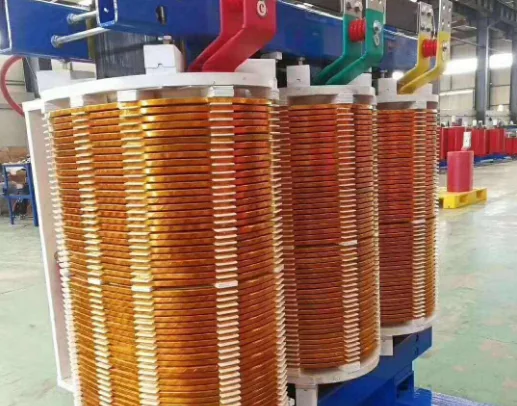
For a pad-mounted transformer, the winding conductor is not a small detail hidden inside the tank. It affects electrical loss, heat generation, short-circuit withstand, size, weight, material cost and long-term reliability.
Copper and aluminum are the two common conductor materials used in power transformers. Both can be used when the transformer is correctly designed. But buyers should not compare two transformer quotations only by price unless the winding material, loss level, short-circuit requirement, temperature rise and test documents are clear.
This article explains why copper windings are often preferred in demanding pad-mounted transformer projects, how copper differs from aluminum, what data buyers should understand, and what should be confirmed before sending an RFQ.
Key Takeaways
- Copper has lower electrical resistivity than aluminum, which helps reduce winding resistance and supports compact conductor design.
- At 20°C, copper resistivity is commonly referenced around 0.01724 Ω·mm²/m, while aluminum is commonly around 0.02826 Ω·mm²/m.
- Aluminum is lighter and often lower in material cost, but it normally needs a larger conductor cross-section for comparable current-carrying performance.
- Short-circuit forces can produce strong radial and axial stress in transformer windings, so mechanical strength and winding stability matter.
- For overseas RFQs, copper or aluminum winding requirements should be written clearly in the quotation, technical specification and final project documents.
Why Conductor Material Matters in a Pad-Mounted Transformer
A transformer is a static electrical device that transfers AC electrical energy from one voltage level to another through electromagnetic induction. In a pad-mounted transformer, the winding conductors carry current and create the electromagnetic interaction needed for voltage transformation.
The conductor material should have low electrical resistance, suitable mechanical strength, stable chemical characteristics, good processing performance and clean surface quality. In practical transformer manufacturing, copper and aluminum are the main conductor choices. Silver has excellent conductivity, but it is not practical for normal power transformer windings because of high cost and limited supply.
For pad-mounted transformers used in commercial buildings, underground distribution networks, data centers, EV charging sites, industrial parks and renewable energy projects, winding material can affect both purchase cost and life-cycle performance.
Copper vs Aluminum Conductors: Key Engineering Data
The table below gives a practical comparison for transformer buyers. Exact values may vary with grade, temperature, processing condition and standard, but the data helps explain why winding material must be confirmed before comparing prices.
| Property | Copper | Aluminum | Why It Matters in Transformers |
|---|---|---|---|
| Electrical resistivity at 20°C | About 0.01724 Ω·mm²/m | About 0.02826 Ω·mm²/m | Lower resistance helps reduce winding loss and heat generation. |
| Relative conductivity | Higher | Lower than copper | Aluminum normally needs larger conductor area for similar current-carrying performance. |
| Density | About 8.96 g/cm³ | About 2.70 g/cm³ | Aluminum is lighter, while copper is usually more compact for the same electrical duty. |
| Mechanical strength | Generally stronger | Generally lower | Short-circuit withstand design depends on conductor strength and winding support. |
| Typical buyer perception | Preferred for demanding projects | Often used for cost-sensitive designs | The better choice depends on project specification, loss requirement and budget. |
Why Copper Is Often Preferred for Pad-Mounted Transformer Windings
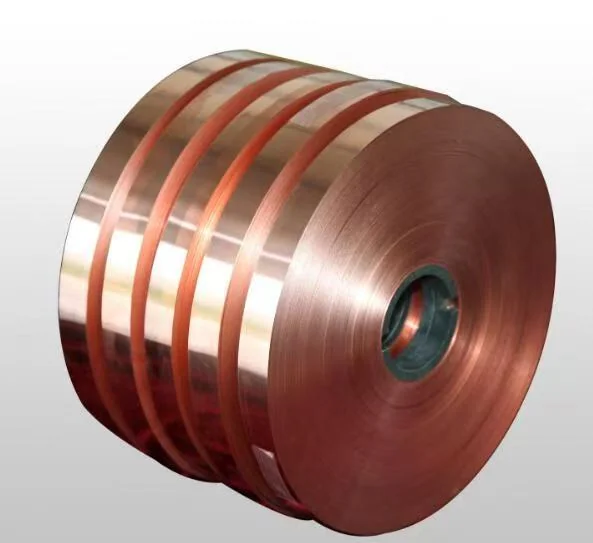
Copper has higher conductivity than aluminum. This means a copper winding can often carry the required current with a smaller conductor cross-section than an equivalent aluminum design. In pad-mounted transformers, this can support a more compact winding structure and help manage loss and temperature rise.
Copper is also valued for mechanical performance. During a short-circuit event, transformer windings may experience very large electromagnetic forces. These forces can act in radial and axial directions and may create tensile, bending and compression stress in the winding. The conductor and winding structure must resist deformation.
For many projects, copper windings are selected when the buyer wants stronger short-circuit withstand support, high reliability, compact design or strict utility review. This does not mean aluminum is always unsuitable. It means the design must be transparent, and the buyer should know what material the quotation is based on.
Short-Circuit Forces and Winding Stability
During normal operation, the winding carries load current. During a short circuit, current may increase sharply for a short time. The resulting electromagnetic forces can be much higher than normal operating stress.
Transformer conductor material must be considered together with winding support, insulation structure, clamping, coil geometry and short-circuit withstand design. Copper does not behave like steel. It does not have a simple linear elastic range and obvious yield point in the same way. In engineering practice, proof stress values such as 0.1% or 0.2% proof stress may be used to evaluate allowable strength for copper conductor materials.
For buyers, the practical message is simple: winding material is not only about electrical conductivity. It is also about whether the coil structure can stay stable during abnormal electrical stress.
Surface Quality and Cleanliness Requirements
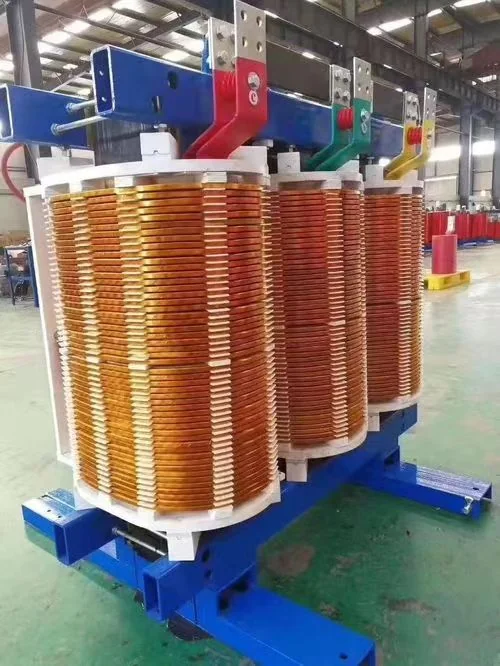
Copper strip, copper foil or copper wire used in transformer windings should have a clean and smooth surface. The conductor surface should be free from scratches, burrs, oil contamination, metal particles, water scale, foreign coatings and obvious mechanical damage.
Poor surface quality may affect insulation processing, contact quality and long-term reliability. Burrs or metal particles may increase the risk of insulation damage. Oil or contamination may affect process stability. For this reason, conductor inspection before winding is an important step in transformer manufacturing.
High Purity and Electrical-Grade Copper
Transformer-grade copper should have high purity and stable electrical performance. Electrical-grade copper is used because the conductor must carry current efficiently and remain compatible with the insulation system and manufacturing process.
Buyers should be careful if a supplier cannot clearly explain the winding material. Brass or unsuitable copper-alloy materials should not be used as transformer winding conductors. The material should match the transformer design, technical standard and project specification.
For demanding projects, buyers can request the winding material to be stated clearly in the technical offer, drawing, specification sheet, contract documents or quality records where applicable.
Why Price Comparison Can Be Misleading
If one quotation is based on copper winding and another is based on aluminum winding, the two prices may not represent the same technical design. A lower price may reflect a different conductor material, different loss level, different mechanical margin or different accessory configuration.
- Is the winding copper or aluminum?
- Are no-load loss and load loss clearly stated?
- Is the impedance requirement matched?
- Is the short-circuit withstand requirement considered?
- Are BIL, voltage class, phase and frequency clear?
- Are routine tests and required reports included?
- Is the design suitable for the destination country and utility requirement?
For EPC projects, a quotation that is unclear at the beginning may create redesign work, approval delays or replacement risk later.
How to Confirm Copper or Aluminum Windings Before Ordering
Buyers should not rely only on informal messages. Winding material should be confirmed in formal documents before production.
- Technical specification sheet
- Commercial quotation with winding material clearly stated
- Transformer drawing or design description
- Purchase agreement or approved technical document
- Material declaration if required by the project
- Factory inspection or test document requirement
- Nameplate information where applicable
Instead of sending an RFQ that only says “500 kVA pad-mounted transformer,” buyers should include copper or aluminum winding requirement, primary voltage, secondary voltage, phase, frequency, BIL, impedance, loop-feed or radial-feed configuration, cable entry and local utility standard.
How Jiangsu Yawei Transformer Controls Winding Material Quality
TransformerGrid.com is the overseas information and inquiry website for Jiangsu Yawei Transformer Co., Ltd.
For transformer projects involving copper windings, conductor material quality is treated as an important manufacturing control point. Before winding, the material should be checked for specification, surface quality, cleanliness and suitability for the production process. During production, engineers and quality personnel should confirm key process steps and keep records for traceability.
This matters because many important transformer quality decisions happen before final assembly. After a transformer is fully built, it becomes more difficult for the buyer to directly inspect the winding conductor. A responsible factory should control the material before and during manufacturing, not only at final testing.
Typical quality control points include incoming material inspection, conductor surface review, winding process control, insulation process control, internal confirmation, routine electrical testing, test data recording and final inspection before shipment.
When Should Buyers Consider Copper Windings?
Copper windings are especially worth reviewing when the project involves high load demand, strict utility review, commercial buildings, hospitals, data centers, AI power loads, EV charging stations, industrial parks, renewable energy step-up projects, limited transformer size, higher short-circuit withstand requirements, long service-life expectations, or harsh outdoor environments.
For highly cost-sensitive projects, aluminum windings can also be reviewed if the electrical and mechanical design is properly engineered. The key is not to make the decision blindly. Buyers should compare purchase cost, loss, temperature rise, mechanical strength, utility acceptance and long-term operating risk.
RFQ Checklist for Copper Winding Pad-Mounted Transformers
- Project country or region
- Application: utility, commercial, industrial, EV charging, data center, renewable energy or other use
- Transformer type: pad-mounted, oil-immersed, pole-mounted, dry-type or compact substation
- Capacity in kVA or MVA
- Primary voltage and secondary voltage
- Phase and frequency
- Copper or aluminum winding requirement
- No-load loss and load loss requirement if specified
- Impedance and BIL requirement
- Vector group and tapping range if applicable
- Loop-feed or radial-feed requirement for pad-mounted transformers
- HV and LV cable entry direction
- Protection devices and accessories
- Local utility standard and required documents
- Required routine tests, type tests or inspection reports
- Delivery schedule, destination port and packing requirement
- Drawings, old nameplate photos, utility specifications or load list if available
FAQ
Is copper always better than aluminum in transformers?
Not always. Copper has higher conductivity and generally stronger mechanical performance, while aluminum is lighter and often lower in material cost. The correct choice depends on project design, loss requirement, mechanical requirement, budget and utility specification.
Why does copper resistivity matter?
Lower resistivity means lower conductor resistance under comparable conditions. In transformer windings, this can help reduce load loss and heat generation when the transformer is properly designed.
Can buyers identify winding material from the transformer model?
Some model naming systems may indicate winding material, but naming rules differ by manufacturer, country and standard. The safest method is to state the winding material clearly in the RFQ and confirm it in the approved technical documents.
Should the first RFQ mention copper winding?
Yes. If copper winding is required, state it clearly in the first RFQ together with voltage, kVA, phase, frequency, BIL, impedance, loop or radial feed and utility requirements.
Send Copper Winding Transformer Requirements for Review
If your project requires copper windings or needs a copper vs aluminum comparison, send drawings, nameplate photos, utility specifications, voltage, kVA and project country for review before quotation.