Pad Mounted Transformer Lead Time: How Maya Prepared Early Before Final Drawings Were Ready
1. Introduction: Maya Was Managing Delivery Risk Before the Project Became Urgent
In the complex environment of commercial electrical infrastructure, time is often the most expensive commodity. Maya Chen, a senior project electrical coordinator, was tasked with overseeing the power distribution deployment for three major commercial building projects. Her primary challenge was not securing the lowest equipment price, but managing pad mounted transformer lead time and overall project risk before construction timelines became critically urgent.
Maya understood that a commercial building transformer is the beating heart of the facility. Without it, no secondary systems can be commissioned, HVAC units cannot be tested, and tenant build-outs stall completely. Rather than waiting for the architects and engineering firms to finalize every detail, Maya initiated early technical communication with potential suppliers. By actively managing the pad mounted transformer delivery time months in advance, she effectively insulated her projects from the severe supply chain bottlenecks that routinely plague the electrical construction industry.
2. Why Pad Mounted Transformers Are Usually Project-Based Orders
A common misconception among new procurement managers is that they can simply purchase a pad mounted transformer off the shelf whenever the site is ready. The reality is that pad mounted transformers are highly customized, project-based orders. They are engineered to align with specific utility requirements, local electrical codes, and exact site conditions.
Every pad mounted transformer requires precise coordination of primary voltage, secondary voltage, impedance values, and physical footprint dimensions. A unit built for an industrial park in one region might be completely incompatible with a retail center in another, even if they share the same kVA rating. Because manufacturers do not stockpile heavy, expensive equipment with varying technical parameters, pad mounted transformer project pipelines require dedicated engineering, raw material allocation, and factory scheduling. Treating them as commodity items is a guaranteed path to severe schedule delays.
3. Why Waiting for Final Drawings Can Delay Delivery
Many electrical contractors and project managers hold off on requesting a pad mounted transformer quotation until the 100% final project drawings are approved and stamped. While this approach seems logical, it drastically extends the pad mounted transformer lead time. The engineering approval process often faces weeks of revisions, local municipal reviews, and utility compliance checks.
By the time the final project drawings are released, the construction team is already eager to break ground. If the procurement team only begins the pad mounted transformer RFQ process at this stage, they are instantly behind schedule. Manufacturers require their own engineering review before quotation, followed by factory slot allocation. Waiting for perfect drawings means the project absorbs the entire manufacturing lead time sequentially, rather than overlapping it with the site preparation phases.
4. Early Communication Does Not Mean Early Purchase
Maya's strategy centered on a crucial distinction: early technical communication does not obligate the buyer to make an early purchase. Engaging a pad mounted transformer supplier months in advance allows both parties to establish a technical baseline without financial commitment.
By initiating a dialogue early, Maya could share preliminary load calculations, intended site layouts, and anticipated utility requirements. This allowed the manufacturer's engineering team to flag potential design conflicts, suggest standardized configurations that might shorten delivery times, and provide realistic lead time estimates. This proactive primary voltage and secondary voltage review ensured that when the final drawings were eventually approved, the formal quotation and purchase order could be executed within days, rather than weeks.
5. What Can Be Discussed Before Final Drawings Are Ready?
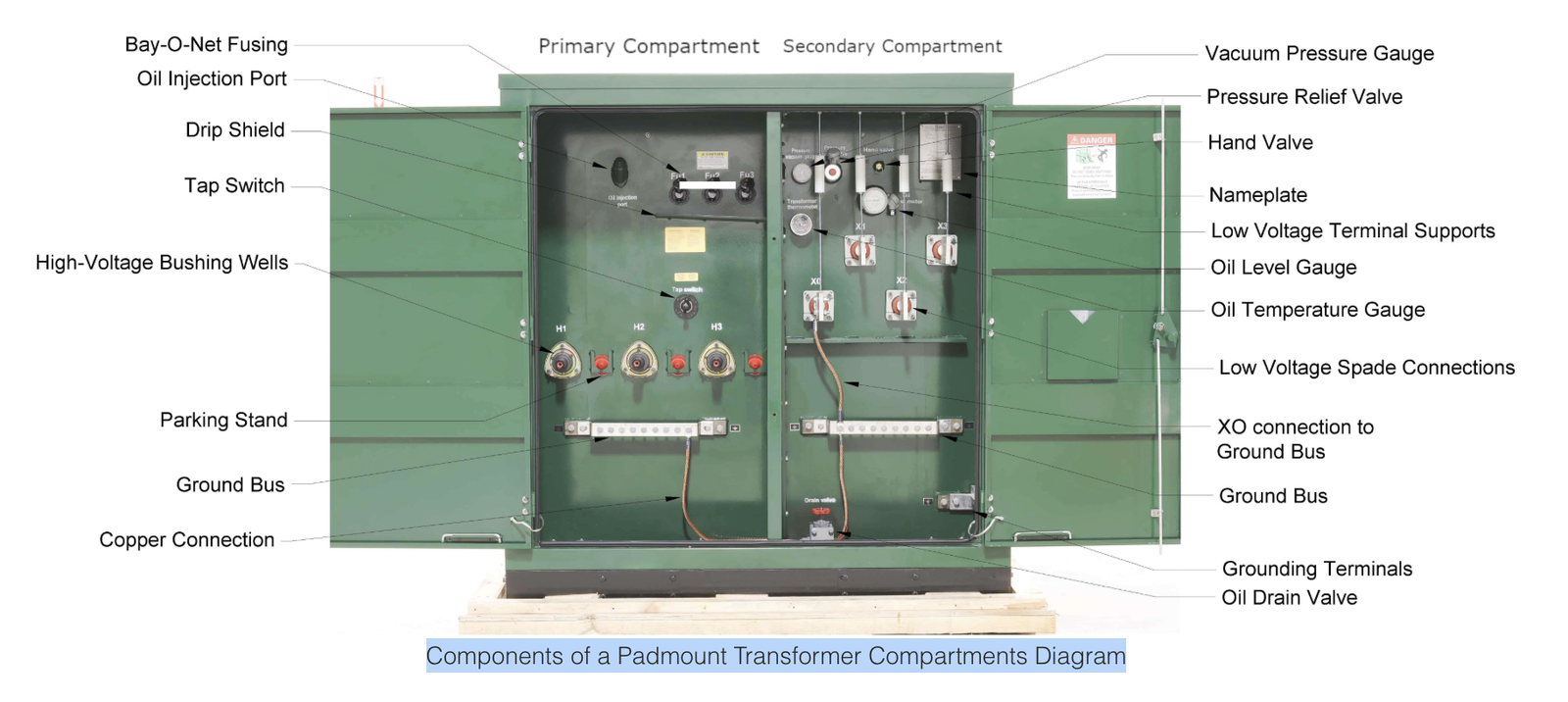
Even without finalized blueprints, a wealth of critical information can and should be clarified during early technical communication. Maya focused on confirming the macroscopic details that dictate the core design of the commercial building pad mounted transformer.
She discussed the estimated load to narrow down the kVA rating. She confirmed the operational frequency—whether 50Hz or 60Hz—based on the destination country. She outlined the anticipated primary voltage provided by the utility and the required secondary voltage for the facility. She also explored fundamental physical constraints, such as the estimated size of the concrete pad, basic cabinet requirements, and whether the installation environment posed any unusual challenges, such as extreme temperatures or corrosive coastal air.
7. Maya's Story: Preparing Three Commercial Building Projects Before They Became Urgent
Maya's portfolio included a retail shopping center, a multi-story office complex, and a mixed-use commercial hub. Each project had unique power demands, but all three shared a strict deadline. Instead of treating each commercial building pad mounted transformer as an isolated emergency, she batched her early technical reviews.
For the retail center, she anticipated the need for a 100 kVA pad mounted transformer price evaluation. For the larger office complex, she initiated discussions around a 500kVA pad mount transformer. By providing the manufacturer with a holistic view of her upcoming pipeline, Maya secured priority engineering support. When minor changes occurred in the architectural plans, the manufacturer's engineers simply adjusted the existing draft specifications. By the time the foundations were being poured, Maya already had approved technical submittals and locked-in delivery schedules, entirely avoiding the typical last-minute procurement panic.
9. Planning for Future Solar Power and Step-Up Transformer Space
Forward-thinking project management requires anticipating future energy infrastructure. The owners of Maya's commercial buildings were strongly considering adding rooftop solar panels and an energy storage system within the next five years to offset operational costs and meet sustainability targets.
Maya integrated this future photovoltaic system into her early technical communication. She discussed the spatial and electrical requirements for a future PV step-up transformer. Because solar inverters typically output low voltage (e.g., 480V or 800V), tying this generation back into the medium-voltage grid requires a specialized step-up transformer. She verified the required inverter output voltage and the corresponding grid-connection voltage. By planning the physical layout to accommodate a future 10kV solar step-up transformer, Maya ensured that the initial pad mounted transformer installation would not obstruct future renewable energy expansions, saving the client massive retrofitting costs down the line.
10. How Early RFQ Review Helps Shorten the Delivery Path
The administrative phase of transformer procurement—submitting an RFQ, receiving a quote, clarifying technical discrepancies, revising the quote, and executing the purchase order—can consume weeks. Early RFQ review compresses this timeline dramatically.
When a buyer initiates an engineering review before quotation, the manufacturer can identify long-lead raw materials, such as specialized high-voltage bushings or unique core steel grades, well in advance. Furthermore, identifying the correct delta and wye transformer connections during the preliminary phase prevents costly manufacturing rework. When the formal purchase order is finally issued, the manufacturer can push the design straight to the factory floor without lingering engineering holds, effectively shortening the actual pad mounted transformer delivery time.
12. Standard Configuration vs Project-Specific Customization
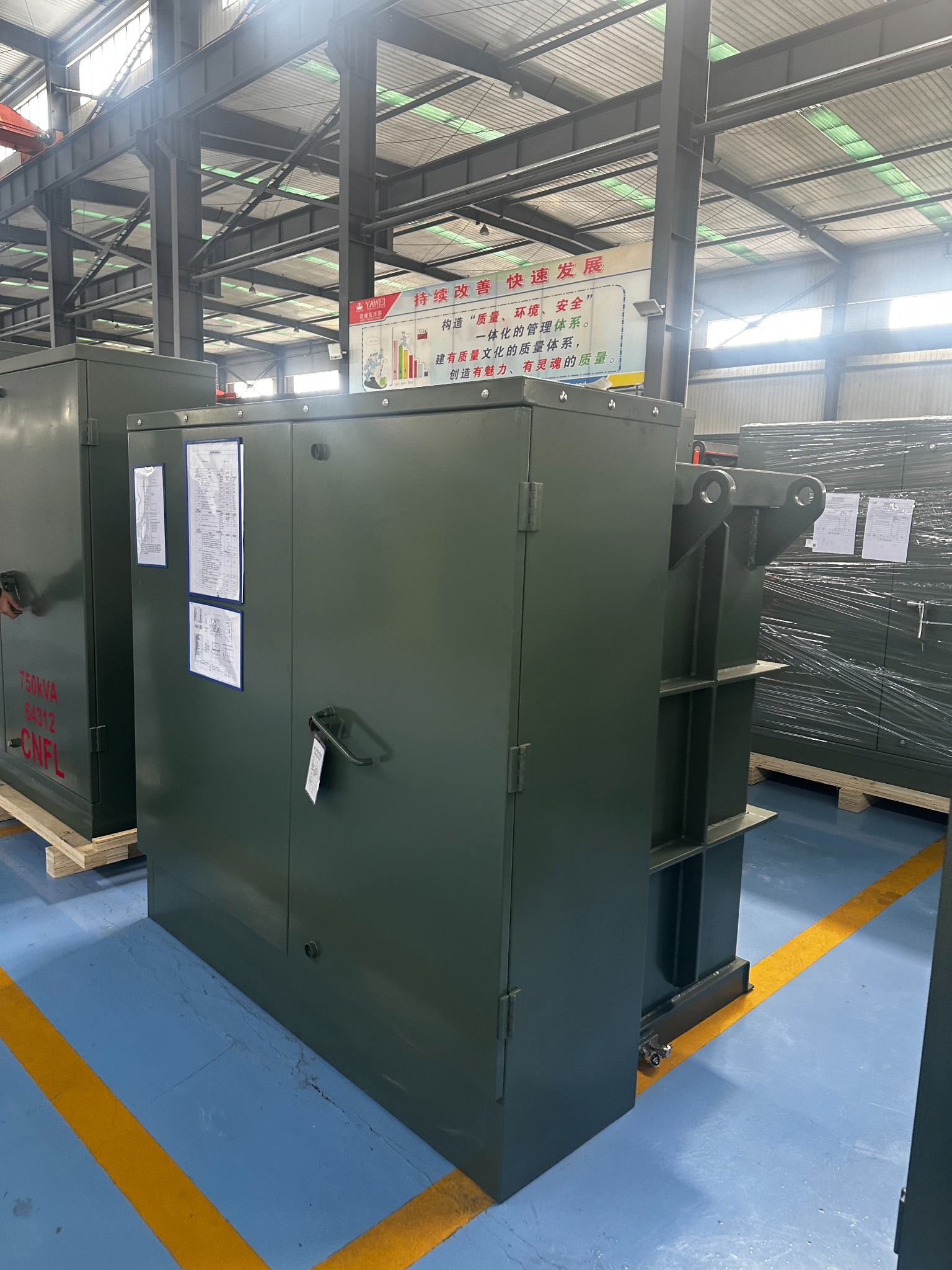
During early technical communication, Maya learned how to balance standardization with customization to protect her delivery schedule. While every commercial building transformer is project-based, relying on a manufacturer's standard tank design or standard compartment layout can shave weeks off production time.
For instance, Maya required customized secondary voltage outputs and specific protection fuses mandated by local utility requirements. However, by accepting the supplier's standard physical enclosure dimensions and standard painting protocol, she avoided the delays associated with drafting entirely new mechanical blueprints. Understanding which elements must be rigidly customized and which can adhere to proven, standard designs is a masterclass in accelerating pad mounted transformer lead time.
13. What Slows Down Pad Mounted Transformer Delivery?
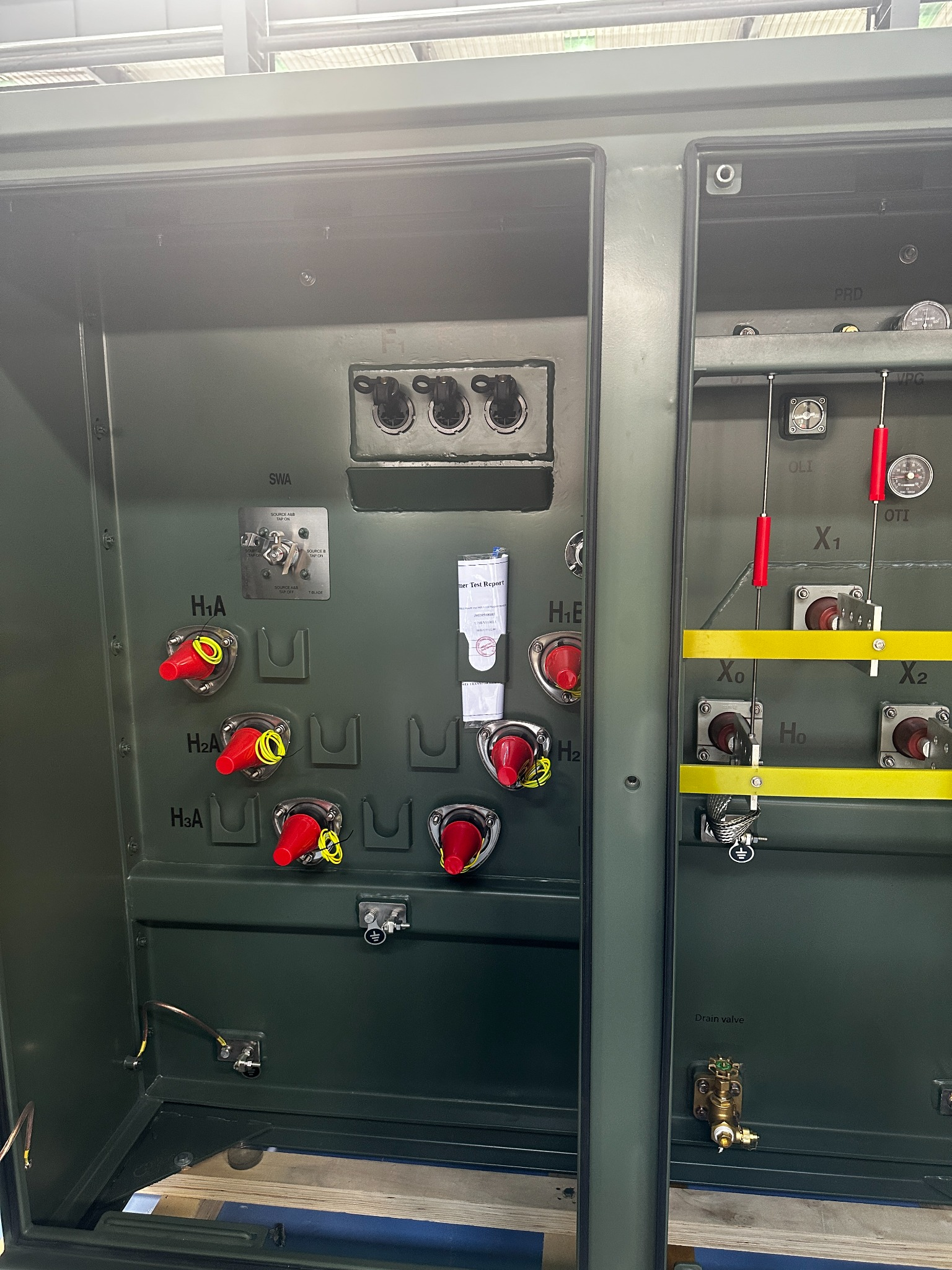
Despite best intentions, delivery schedules frequently derail due to avoidable administrative and technical oversights. The most common culprit is incomplete or conflicting specifications. If a pad mounted transformer RFQ specifies a certain primary voltage but the accompanying single-line diagram shows a different value, production halts until the discrepancy is resolved.
Other major delays stem from late changes to the cable entry direction. If the concrete pad is poured for bottom-entry cables but the transformer is manufactured for side-entry, the installation fails. Similarly, discovering late in the process that the destination country requires specific third-party testing documents or type tests can reset the entire manufacturing clock. A thorough engineering review before quotation mitigates these precise risks.
14. What Buyers Should Send for Early Technical Review
To maximize the value of early communication, buyers should compile a preliminary technical package even if it is marked "Draft" or "For Reference Only." Maya successfully provided the following baseline data:
- Estimated kVA capacity and three phase transformer requirement
- Anticipated primary voltage and secondary voltage
- Operating frequency (50Hz or 60Hz) and destination country
- Intended cable entry direction (e.g., radial feed or loop feed, bottom entry)
- Basic concrete pad footprint limitations
- Known local utility requirements or specific electrical codes
- Required testing documents and compliance standards
- Target pad mounted transformer installation date
Providing this framework enables a pad mounted transformer supplier to conduct a meaningful preliminary review and highlight any fatal flaws before they impact the critical path.
15. Internal Links and Related Guidance
For project managers handling diverse commercial and infrastructure portfolios, early procurement strategies extend beyond standard commercial buildings. If your upcoming projects include specialized infrastructure, applying Maya's early review strategy is equally critical. For instance, planning a pad mounted transformer for commercial buildings requires different utility coordination than specifying a pad mounted transformer for EV charging stations, where peak loads fluctuate dramatically. Regardless of the application, securing the right equipment demands rigorous technical communication long before the final blueprints are stamped.
16. Conclusion: Fast Delivery Starts Before the Order Becomes Urgent
Maya Chen's success across three simultaneous commercial building projects was not the result of expedited shipping fees or panicked executive escalations. It was the direct result of strategic foresight. By treating pad mounted transformer lead time as an engineering variable to be managed rather than a fixed punishment to endure, she eliminated delivery risk.
Early technical communication, clarifying critical parameters like cable entry direction, primary voltage, and testing documents, and anticipating future needs like a rooftop solar step-up transformer, ensures that the actual procurement process is smooth, accurate, and fast. Fast pad mounted transformer delivery does not start when the purchase order is signed; it starts the moment you begin discussing the project requirements.
17. FAQ
(1) Are pad mounted transformers usually project-based orders?
Yes. Because primary voltage, secondary voltage, utility requirements, and specific site constraints vary drastically between locations, pad mounted transformers are highly customized and manufactured to order rather than stocked as off-the-shelf commodities.
(2) Can buyers contact TransformerGrid before final drawings are ready?
Absolutely. Engaging with TransformerGrid before final drawings are ready allows our engineering team to review preliminary specifications, identify potential conflicts, and provide guidance that can streamline final approval and shorten lead times.
(3) Does early technical communication mean the buyer must place an order?
No. Early technical communication is an information-gathering and risk-management exercise. It allows buyers to clarify technical requirements and delivery schedules without any financial commitment or pressure to execute an immediate purchase order.
(4) What information can be discussed before final drawings are issued?
Buyers can discuss estimated kVA capacity, primary and secondary voltages, 50Hz or 60Hz frequency, destination country, intended cable entry direction, standard compartment layouts, and any known local utility requirements or specific testing documents needed.
(5) What slows down pad mounted transformer delivery time?
Delivery is typically delayed by incomplete RFQs, conflicting information between specifications and single-line drawings, late changes to cable entry direction, or failing to identify specific utility testing documents until late in the manufacturing process.
(6) Can early RFQ review help shorten lead time?
Yes. An early engineering review before quotation resolves technical discrepancies in advance. When the formal order is placed, the design can immediately enter factory production without being held up in engineering approval loops.
(7) Why should future solar step-up transformer and energy storage space be discussed early?
Planning for a future photovoltaic system or energy storage system requires specific physical footprints and grid-connection voltage matching. Discussing this early ensures the initial concrete pad and site layout won't block future renewable energy expansions.
(8) What should buyers send for a pad mounted transformer quotation?
Buyers should send project drawings (even preliminary ones), requested kVA, voltages, phase, frequency, cable entry direction, installation environment, concrete pad details, required testing documents, destination country, and the expected delivery schedule.
Not ready to buy yet? That is okay.
If you may need a pad mounted transformer, pole mounted transformer or distribution transformer for a future project, send us your estimated kVA, primary voltage, secondary voltage, phase, frequency, destination country, project type, utility requirements, installation environment, cable entry direction, concrete pad or foundation condition, testing document needs and expected delivery schedule.
TransformerGrid engineers can help you understand what should be confirmed before the formal RFQ. No consulting fee. No pressure to order. Just early technical communication before your project becomes urgent.
For product scope, kVA ranges, compartment options and RFQ information, review the TransformerGrid pad mounted transformer product page.