Pad Mounted Transformer for EV Charging Stations: Rachel's Capacity Planning Guide
Introduction
When planning a pad mounted transformer for EV charging station projects, developers must realize that transformer selection affects capacity, transformer location, cable routing, total cost, and future expansion. A simple equipment purchase can quickly become a complex infrastructure challenge if the foundational power requirements are not thoroughly evaluated.
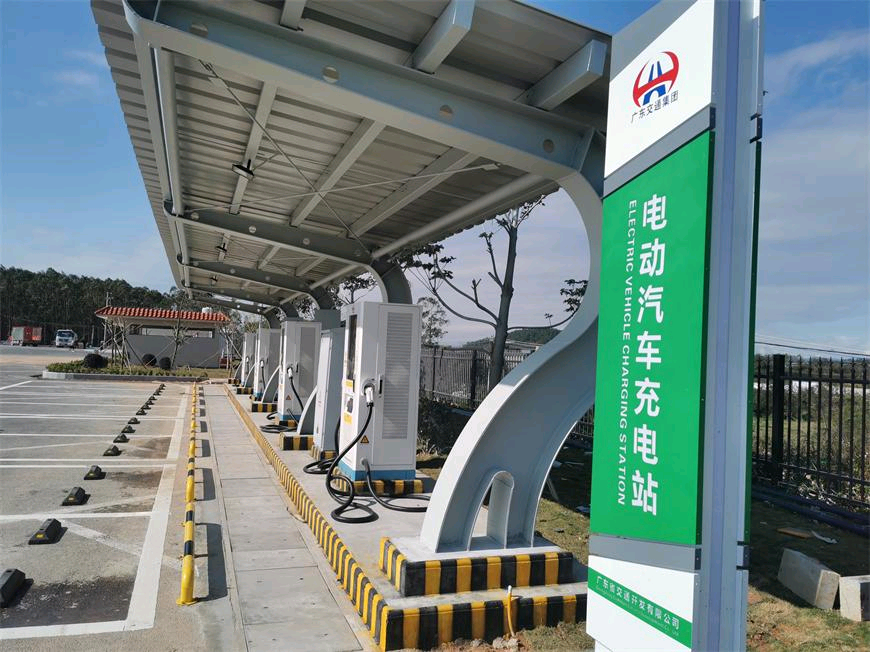
Rachel's Starting Point
Rachel is an experienced commercial real estate developer who recently transitioned into EV charging infrastructure. For her latest project—a highway-adjacent charging hub—she needed an EV charging station transformer.
Initially, she provided TransformerGrid with a basic site layout and a request for a standard transformer quote. However, our engineering team quickly identified that her preliminary specifications lacked the necessary detail to guarantee long-term reliability.
Why Charger Quantity Alone Is Not Enough
Knowing that a site will host ten charging pedestals is insufficient for proper electrical sizing. The specific charger power rating dictates the actual load drawn from the grid. If the charger power rating is 120kW per unit, the theoretical maximum load is 1200kW.
However, peak demand is rarely 100% of the theoretical maximum simultaneously. Calculating the true peak demand based on the charger power rating, expected vehicle dwell times, and power sharing capabilities is critical. If you size the equipment based solely on the maximum charger power rating without applying a diversity factor, you will overpay. Conversely, underestimating the peak demand will lead to catastrophic equipment failure.
Hidden Risk 1: Transformer Capacity May Become Too Small
If the actual peak demand exceeds the capacity of the pad mounted transformer, the unit will overheat, potentially triggering protective shutdowns that take the entire charging station offline. This leads to immediate revenue loss and severe utility complaints.
Furthermore, if you do not plan for future expansion, adding more high-speed chargers later will be impossible without replacing the entire electrical infrastructure. A properly sized step down transformer for EV charging station use must account for both current peak demand and anticipated future expansion.
Hidden Risk 2: Transformer Location Can Become Safety Problem
The physical transformer location must be safe from accidental vehicle collisions. A poorly chosen transformer location increases reversing risks for drivers maneuvering into tight charging bays.
Proper transformer location ensures adequate maintenance access for utility workers and complies with strict local fire and safety codes. Installing protective bollards around the transformer location is a mandatory step that Rachel initially overlooked in her site drawings.
Hidden Risk 3: Total Cost More Than Transformer Price
Many developers focus entirely on the initial transformer price. However, the transformer price is just one component of the total capital expenditure. Trenching, heavy-gauge copper cabling, labor, and protective switchgear often cost significantly more than the transformer price itself.
Securing a low transformer quote does not guarantee a low overall project cost if the site layout requires excessive underground work.
Cable Routing and Construction Cost
Optimized cable routing drastically reduces the required length of expensive conductive materials. Good cable routing minimizes trenching complexity through existing asphalt or concrete.
The relationship between the transformer location and the cable routing paths to each individual charging pedestal is vital. Rachel learned that moving the pad mounted transformer just 20 feet closer to the center of the charging array simplified her cable routing and saved thousands in construction costs.
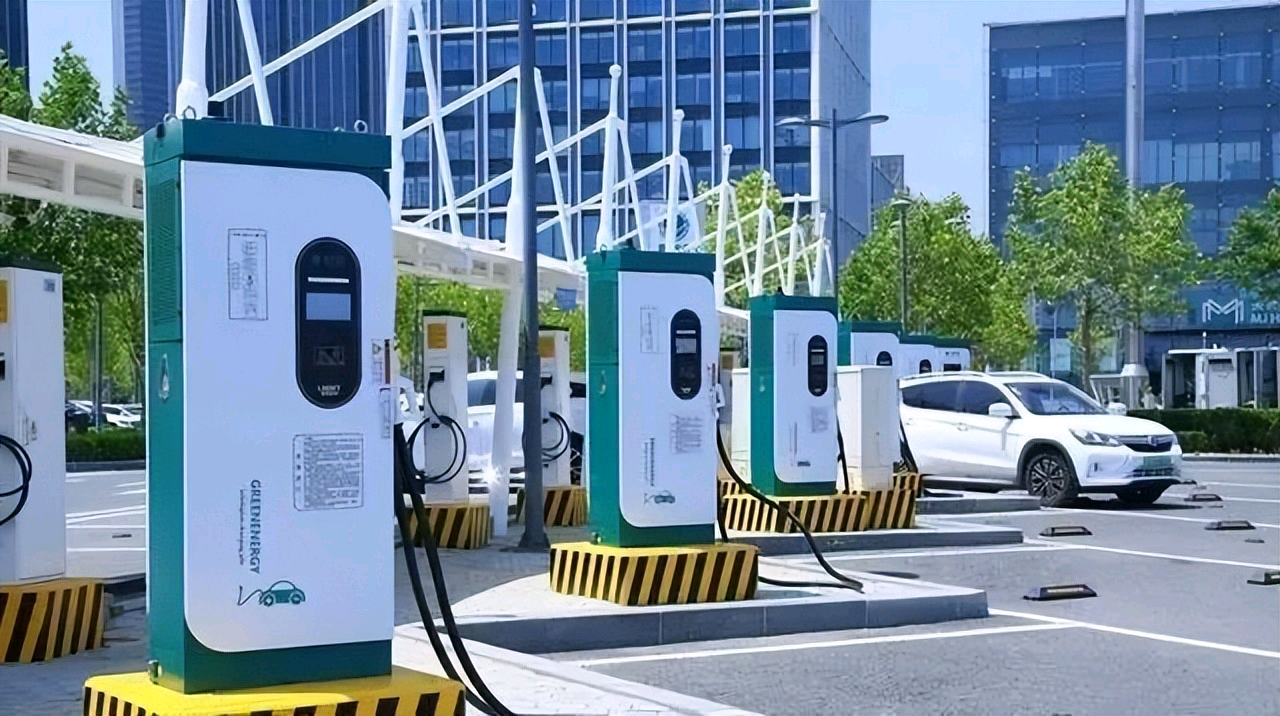
Material Options: Aluminum, Copper and Engineering Approval
When requesting a transformer quote, the choice of winding material impacts the final transformer price. Aluminum windings may help reduce unnecessary cost compared to copper, depending on project standards.
However, this substitution should be confirmed by design institute professionals to ensure it meets the specific thermal and efficiency requirements of continuous EV charging loads.
What Rachel Should Tell Design Institute
- Total number of charging pedestals planned for day one.
- Exact charger power rating for each individual unit.
- Estimated peak demand calculations including diversity factors.
- Preferred transformer location on the site plan.
- Proposed underground cable routing paths.
- Reserved physical space and electrical capacity for future expansion.
- Primary voltage available from the local utility grid.
- Required secondary voltage for the charging cabinets.
- Phase requirements (typically a three phase transformer for commercial EV charging).
- Local safety, clearance, and environmental protection codes.
Planning for Future Ultra-Fast Charging
Future expansion might include upgrading to 350kW or 500kW ultra-fast chargers. This requires reserved physical space, flexible cable routing conduits, and possibly the capacity to add an additional pad mounted transformer for EV charging station upgrades.
Planning for future expansion during the initial civil works phase prevents the need to tear up concrete later.
How TransformerGrid Helped Rachel
Our engineering team reviewed Rachel's peak demand estimates and charger power rating data. We analyzed her site layout to optimize the transformer location and cable routing.
By addressing material options and safety protections upfront, we provided a comprehensive transformer quote that accounted for both immediate needs and future expansion, ensuring her project remained on budget and on schedule.
Different EV Charging Sites May Need Different Transformer Sizes
75kVA Pad Mounted Transformer
Ideal for small destination charging at hotels or offices with Level 2 AC chargers.
100kVA Pad Mounted Transformer
Suitable for medium retail parking lots supporting a mix of Level 2 and low-power DC fast chargers.
150kVA Pad Mounted Transformer
Commonly used for commercial fleet depots requiring overnight charging for multiple delivery vans.
500kVA pad mount transformer
Required for highway fast-charging hubs utilizing multiple high-power DC fast chargers.
Every EV charging station transformer requirement is unique, demanding careful engineering review.
EV Charging Station Transformer RFQ Checklist
| Information | Why It Matters |
|---|---|
| Total Charger Quantity | Establishes the baseline scale of the charging facility. |
| Charger Power Rating | Determines the maximum theoretical load per pedestal. |
| Calculated Peak Demand | Prevents overloading the pad mounted transformer during busy hours. |
| Primary Voltage | Must match the utility grid connection exactly. |
| Secondary Voltage | Must match the input requirements of the EV charging cabinets. |
| Phase Requirements | Commercial EV chargers typically require three-phase power. |
| Frequency (50Hz/60Hz) | Must align with national grid standards. |
| Transformer Location | Affects safety, maintenance access, and cable routing distances. |
| Cable Routing Plan | Impacts trenching costs and voltage drop calculations. |
| Future Expansion Plans | Ensures the infrastructure can handle additional chargers later. |
| Winding Material Preference | Affects the final transformer price and weight. |
| Enclosure Rating (NEMA/IP) | Protects the EV charging station transformer from weather and dust. |
| Required Delivery Time | Ensures alignment with the overall construction schedule. |
| Project Country/Location | Dictates shipping logistics and local compliance standards. |
| Safety Clearances | Ensures compliance with fire codes and vehicle barrier requirements. |
| Testing & Certification | Guarantees the unit meets IEEE, ANSI, or IEC standards. |
Procurement Risk Table
| Procurement Risk | What Buyer Should Confirm |
|---|---|
| Undersized Capacity | Verify peak demand calculations with the design institute. |
| Voltage Mismatch | Double-check utility primary voltage and charger secondary voltage. |
| Delivery Delays | Confirm production lead times and shipping schedules before ordering. |
| Code Violations | Ensure the transformer location meets local clearance and safety codes. |
| Excessive Cable Costs | Optimize cable routing paths to minimize expensive copper runs. |
| No Room for Growth | Reserve physical space and electrical capacity for future expansion. |
| Hidden Fees | Ensure the transformer quote includes necessary accessories and testing. |
Conclusion
Choosing the right pad mounted transformer for EV charging station projects requires balancing primary voltage and secondary voltage, peak demand, transformer location, cable routing, and future expansion.
By thoroughly reviewing these factors with engineering professionals, developers can secure a reliable EV charging station transformer that supports long-term operational success without unnecessary cost overruns.
Frequently Asked Questions
How do I calculate the right size for a pad mounted transformer for EV charging station use?
You must calculate the peak demand by multiplying the charger power rating by the number of chargers, then applying a diversity factor based on expected simultaneous usage.
Why is a pad mounted transformer preferred for EV charging?
A pad mounted transformer offers secure, tamper-resistant ground-level installation, making it ideal for public parking lots where underground cable routing is utilized.
Does the transformer location affect the transformer price?
While the transformer price itself remains the same, a poor transformer location drastically increases trenching and cable routing costs, inflating the total project budget.
What information is needed for an accurate transformer quote?
Provide the primary and secondary voltages, phase, frequency, calculated peak demand, charger power rating, and any specific standards required for your region.
How should I plan for future expansion?
Reserve physical space on the concrete pad, install oversized underground conduits for future cable routing, and consider sizing the transformer slightly larger than day-one peak demand requires.
Can aluminum windings reduce the transformer price?
Yes, aluminum windings may help reduce unnecessary cost compared to copper, depending on project standards, but this should be confirmed by design institute engineers.
Will TransformerGrid review my EV charging station transformer requirements?
Yes, our engineering team reviews your charger power rating, peak demand, and site layout before issuing a transformer quote to ensure the equipment matches your exact needs.
Need to Confirm Your Transformer Specifications?
Send us your single-line diagrams, voltage requirements, and project details. Our engineering team will review your specifications to ensure you receive an accurate, reliable quotation. today.
Need a Transformer Quotation?
Contact our engineering team for a fast, accurate review of your project requirements.
For faster review, send your drawing, nameplate photo, kVA rating, voltage, project country and required delivery time if available. If you are not sure, contact us first — we can help you clarify the requirements.
For product scope, kVA ranges, compartment options and RFQ information, review the TransformerGrid pad mounted transformer product page.