Technical Library · Replacement-003
Pole-to-Pad Transformer Conversion Engineering: Riser Pole, Underground Cable, Grounding and Protection
Engineering reference prepared by TransformerGrid · Project-specific requirements require manufacturer, utility and qualified-engineer verification.
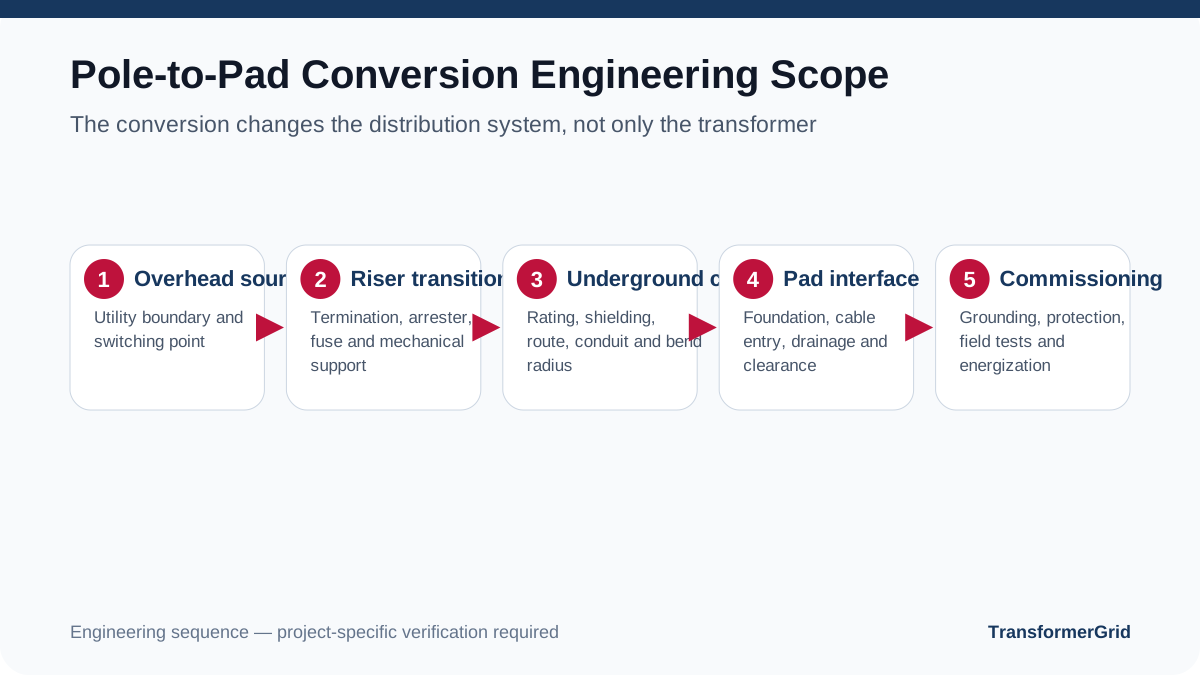
The Conversion Changes the System, Not Only the Enclosure
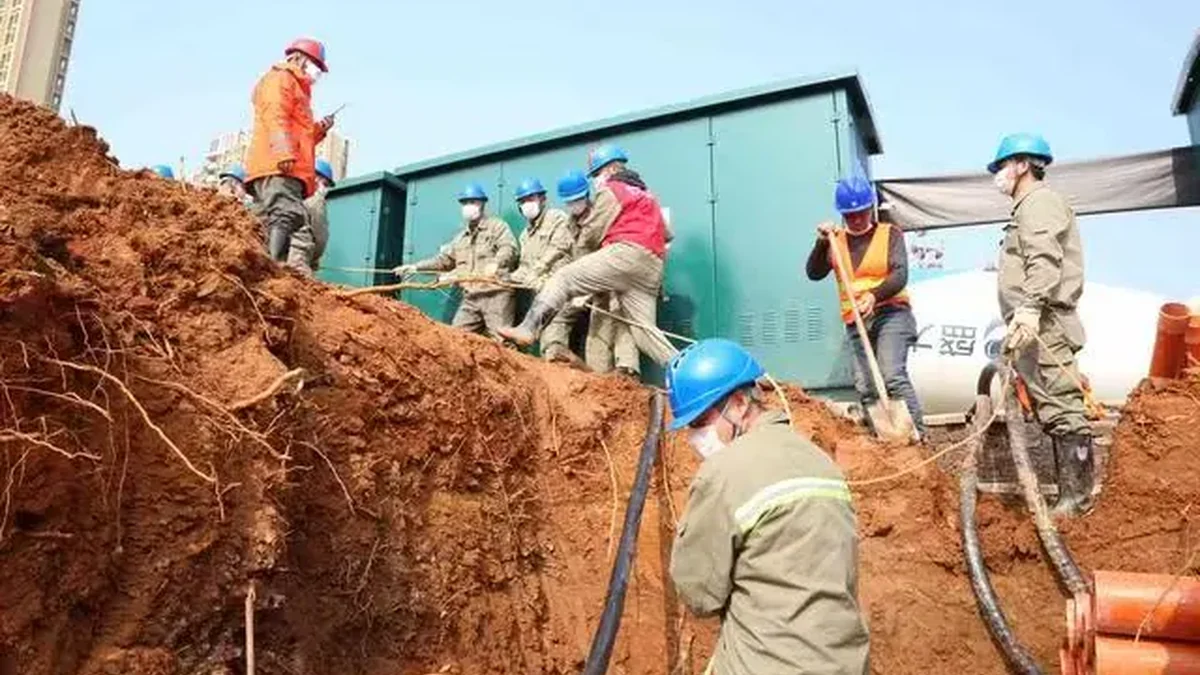
A pole-mounted transformer normally interfaces with overhead conductors. A pad-mounted transformer normally interfaces with underground cable. Converting from pole to pad may change the primary termination, cable route, civil foundation, cable entry, protection, grounding, maintenance access and utility boundary.
A transformer quotation cannot define the full conversion. The project should identify which work belongs to the utility, owner, engineer, EPC contractor, equipment supplier and commissioning team from the overhead source to the low-voltage outgoing connection.
Riser Pole and Overhead-to-Underground Transition
Where the upstream network remains overhead, the transition to medium-voltage underground cable may require a riser structure with cable terminations, surge arresters, fuses or switching devices, mechanical supports, protective conduit, adequate clearances and grounding.
The transition location affects cable length, fault isolation, maintenance access, road crossings and outage boundaries. Utilities often control the approved structure, equipment and operating authority.
Underground Cable and Pad Interface
Confirm cable voltage class, conductor size, shielding and grounding method, termination type, bending radius, short-circuit capability, route, conduit and pulling conditions.
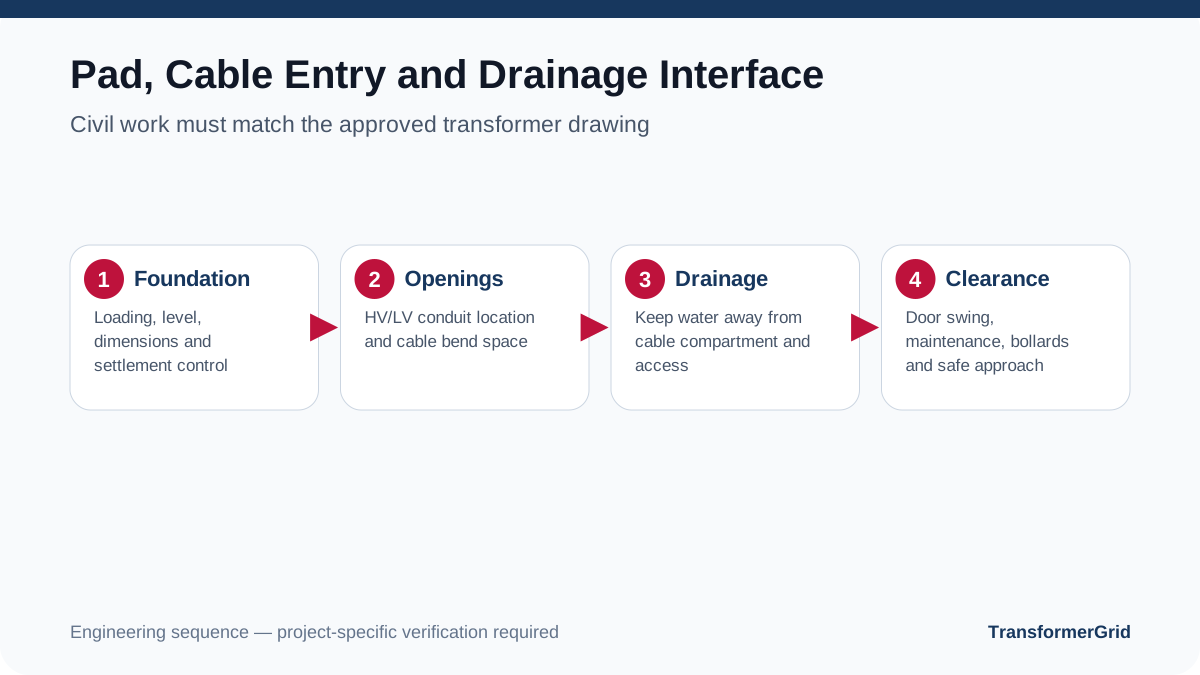
The foundation carries the transformer and establishes the final location, cable-entry direction, door opening, drainage, settlement control and maintenance space. Openings should follow the approved general-arrangement drawing. Guessing after the transformer arrives creates a high risk of cable stress and civil rework.
Grounding, Protection and Public Safety
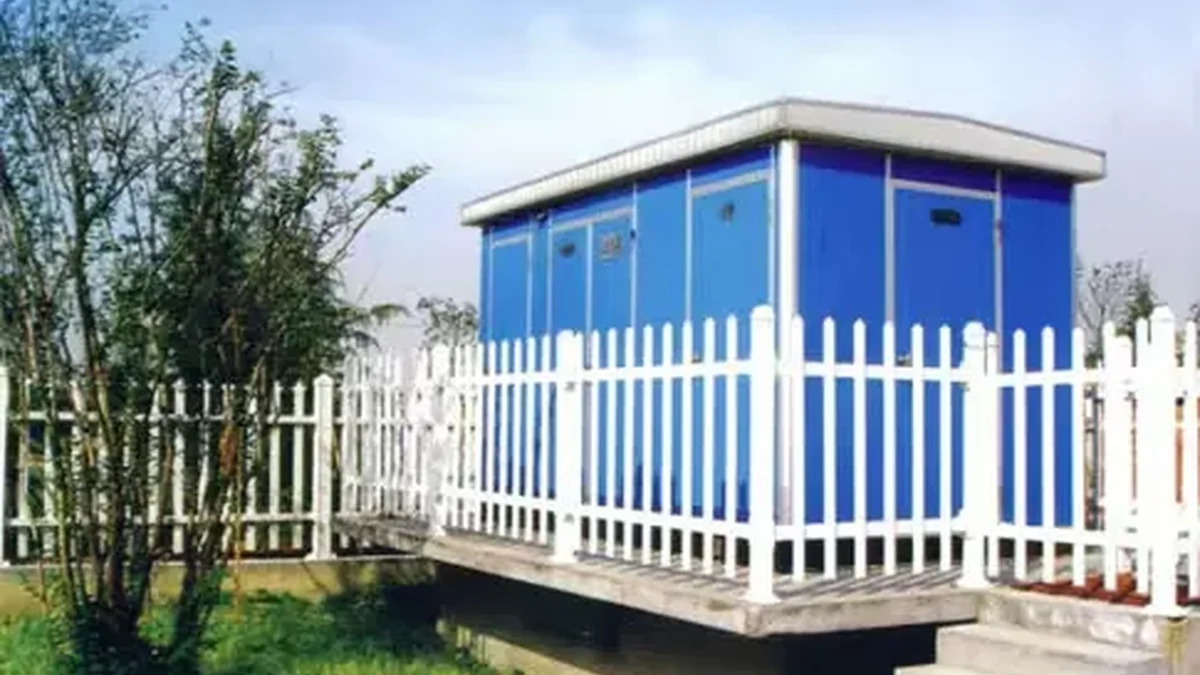
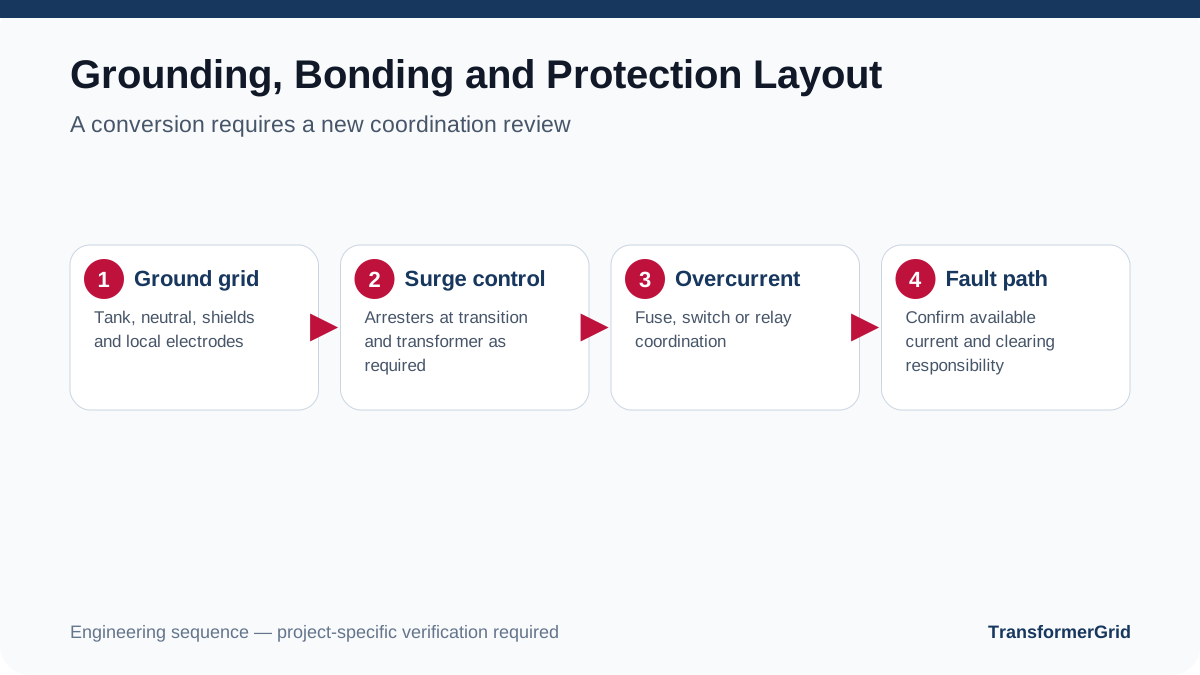
Review the grounding grid, tank bonding, neutral grounding, cable-shield treatment, arrester location, primary and secondary overcurrent protection, available fault current and upstream/downstream coordination.
For ground-level equipment in public or vehicle-access areas, also consider locking, touch protection, bollards, fire access, clearances, drainage and service-vehicle access. Site-specific safety design belongs to appropriately qualified local professionals.
Outage and Commissioning Boundaries
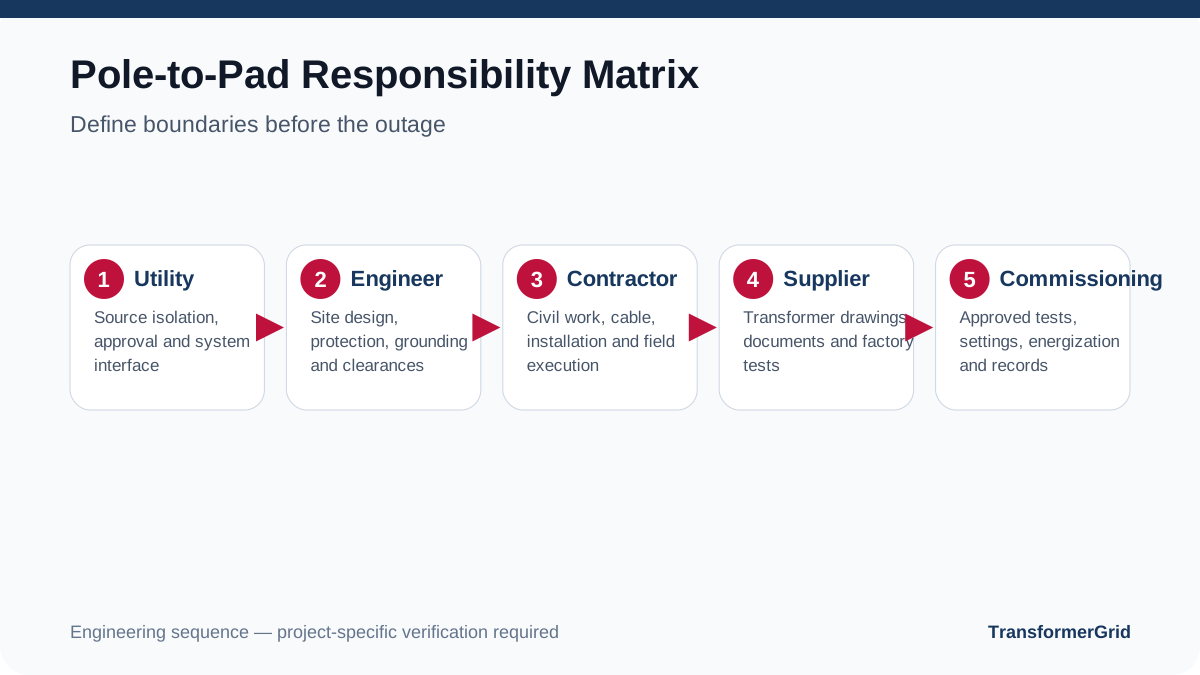
The plan should define when the overhead source is isolated, when the old pole transformer is removed, when underground cable and civil work are complete, whether temporary power is required, and when the pad-mounted transformer is installed and tested.
Pre-energization work may include drawing verification, grounding inspection, cable testing, transformer inspection, ratio and connection confirmation, protection-setting review, phase-sequence checks and other project-required tests.
When Conversion May Not Be the Best Path
Keeping a pole-mounted arrangement may be more defensible when the overhead system will remain, loading is modest, ground space is constrained, underground construction is difficult, or flooding and vehicle exposure cannot be controlled economically.
The decision should follow lifecycle constraints and the approved network plan—not the assumption that pad-mounted equipment is automatically more modern or reliable.
Related buying guide: Read the commercial decision guide that applies this technical framework to cost, scope and RFQ review.
FAQ
Does every pole-to-pad conversion require a new riser pole?
Not necessarily. It depends on the source network and utility boundary, but every overhead-to-underground transition requires an approved termination, protection and grounding arrangement.
Can the pad be built before the transformer drawing is approved?
That creates substantial risk. Foundation dimensions, openings and cable direction should follow the approved equipment drawing.
Can the equipment supplier design the entire conversion?
Only when contract scope and qualifications support it. TransformerGrid coordinates equipment and documents; local system design, permits, construction and energization normally remain with the utility and qualified project parties.
This Technical Library page is educational. Project design, protection settings, construction, permits and energization must be completed by the utility and appropriately qualified local parties. TransformerGrid coordinates RFQ clarification, drawings, documents, FAT and export delivery with verified manufacturing partners.