Pad Mounted Transformer for Data Centers and AI Power Loads: How Grace Reduced Uptime Risk Before Ordering
1. Introduction: A Data Center Transformer is Not a Normal Purchase
Procuring a data center transformer is fundamentally different from buying standard commercial electrical equipment. In standard commercial buildings, a brief power interruption might cause minor inconvenience. In a data center, a power interruption causes catastrophic data loss, severe financial penalties, and permanent reputational damage.
Grace Turner, a senior data center facility manager, understands this reality. Her facility is expanding to accommodate new high-density computing clients. She knows that power reliability, continuous uptime, and scalable facility growth depend entirely on the electrical infrastructure. For Grace, a data center transformer is not a commodity; it is the critical foundation of her facility's operational integrity.
2. Why Grace Did Not Treat a Data Center Transformer as a Normal Purchase
When tasked with expanding the facility's power capacity, Grace refused to focus solely on the lowest purchase price. She recognized that the initial capital expenditure of a transformer is negligible compared to the cost of a single hour of facility downtime. Her primary objective was reducing uptime risk through rigorous engineering coordination and proper planning.
Treating this as a normal purchase would mean sending a vague request to multiple vendors and selecting the cheapest option. Instead, Grace treated the procurement as an engineering project. She required detailed technical reviews, strict adherence to facility growth projections, and a clear understanding of how the new equipment would integrate with existing backup systems. She knew that reducing uptime risk starts long before the purchase order is signed.
3. AI Power Loads Make Transformer Capacity Planning More Important
The landscape of data center power consumption is shifting rapidly. The integration of artificial intelligence (AI) and machine learning requires high-density computing racks that draw significantly more power than traditional server configurations. An AI power load transformer must handle intense, continuous power demands without overheating or degrading.
For Grace, this meant traditional transformer capacity planning rules no longer applied. She could not simply replace an old unit with one of the same size. She had to calculate the projected AI power loads, account for the associated cooling load increases, and size the transformer capacity to handle both current demands and future high-density expansions. Undersizing the transformer would throttle facility growth; oversizing it excessively would waste capital and increase no-load losses. Precise capacity planning became her top priority.
4. What is a Pad Mounted Transformer Used for in Data Center Projects?
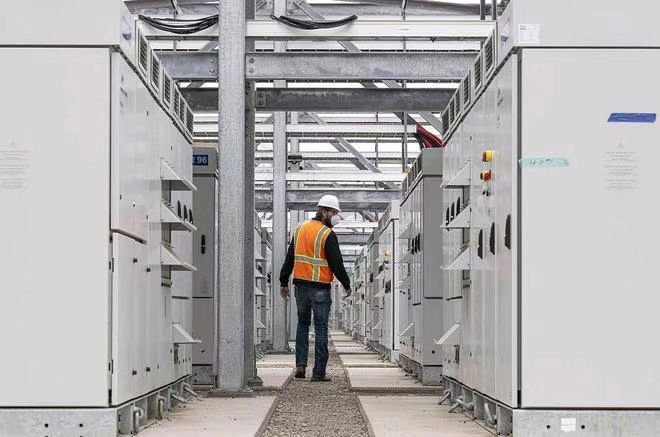
A pad mounted transformer is a fully enclosed, tamper-resistant unit installed outdoors on a concrete pad. In data center projects, a pad mounted transformer for data center applications is often used to step down the utility's medium-voltage distribution lines to the low voltage required by the facility's main switchgear.
Grace's project environment favored a pad mounted solution. Her facility had secure outdoor space, and utilizing outdoor pad mounted units freed up valuable indoor square footage for revenue-generating server racks and critical cooling equipment. Furthermore, pad mounted transformers are designed for underground cable routing, which aligned perfectly with the data center's secure, weather-protected underground electrical feeds.
5. Three Phase Transformer and Step Down Requirements for Data Centers
Data centers operate exclusively on three phase power to ensure continuous, balanced power delivery to high-density loads. A three phase transformer is mandatory for these applications. It provides the stable, high-capacity power required by server racks, massive HVAC chillers, and uninterruptible power supply (UPS) systems.
In Grace's electrical architecture, the unit functions as a step down transformer. The utility delivers power at a primary voltage of 12.47kV. The step down transformer reduces this to a secondary voltage of 480Y/277V, which is then distributed through the main switchgear to the UPS systems and downstream power distribution units (PDUs). The precision of this voltage transformation is critical; any fluctuation can trigger UPS battery engagement or damage sensitive IT equipment.
6. Grace's Story: From AI Load Growth to a Clear Transformer RFQ
Grace's journey began with a directive from the executive board: prepare the facility for a new anchor tenant deploying massive AI computing clusters. Initially, Grace was concerned about the aggressive timeline and the sheer volume of power required. She knew that a standard procurement approach would fail.
She began by consulting with her electrical engineering team to map out the exact load schedule, factoring in both the IT load and the corresponding cooling load. She then reached out to TransformerGrid. Instead of just asking for a price, she shared her capacity concerns and facility growth plans. TransformerGrid's engineering team helped her clarify her three phase and step down needs, reviewed her capacity calculations, and guided her in structuring a comprehensive Request for Quotation (RFQ). This collaborative process transformed her initial anxiety into a clear, actionable procurement strategy.
7. Grace's Redundancy Discussion: N+1 Transformer Backup for Critical Loads
In data center design, a single point of failure is unacceptable. Grace and her engineering team implemented an N+1 transformer redundancy strategy. N+1 means the facility has the number of transformers required to carry the full load (N), plus one independent backup transformer (+1) ready to assume the load if a primary unit fails or requires maintenance.
This typical arrangement includes several critical components:
- Transformers connected to a common medium-voltage bus on the primary side
- Coordinated low-voltage switchgear or bus sections on the secondary side
- Bus section breakers or tie breakers to isolate faults
- Automatic transfer or switching logic to route power dynamically
- Protection relays to detect anomalies instantly
- Monitoring systems for real-time thermal and electrical data
- UPS coordination to bridge the gap during switching events
- Generator coordination where required for extended utility outages
Professional Restriction: Do not claim a transformer alone guarantees zero downtime or seamless power transfer. Clearly explain that final continuity performance depends on the full power architecture including switchgear, protection coordination, UPS systems, generator backup where required, monitoring, and regular testing.
Furthermore, if the N+1 strategy requires transformers to operate in parallel, Grace had to ensure strict parallel operation requirements were met. These include: Same vector group (e.g., verifying delta and wye transformer connections), compatible voltage ratio, close impedance values, suitable capacity ratio, correct phase sequence, compatible tap settings, and protection coordination.
8. Why Delivery Time Matters for Data Center Launch Plans
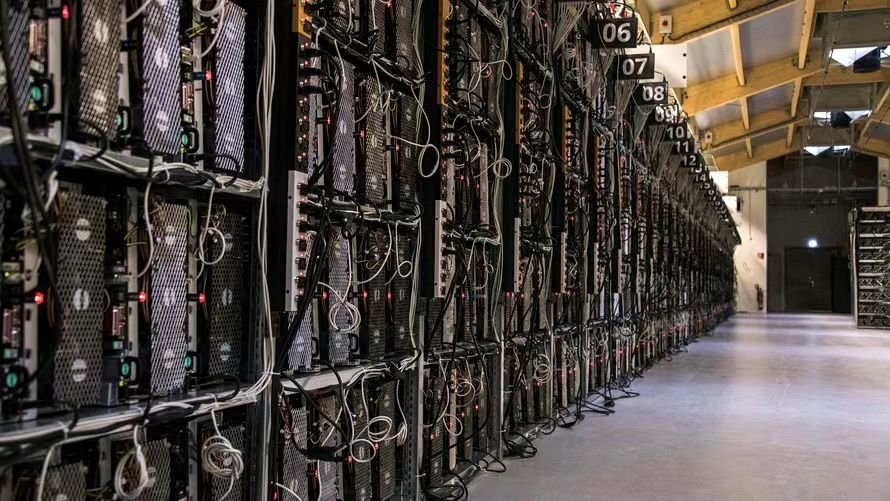
In the data center industry, time is revenue. The new AI tenant had a strict deployment schedule, and any delay in facility readiness would result in severe financial penalties for Grace's company. Delivery time for the critical load transformer was not just a logistical detail; it was a hard project constraint.
Grace had to coordinate the transformer's arrival with the completion of the concrete pads, the installation of the underground conduits, and the readiness of the heavy rigging crews. A late delivery would stall the entire electrical fit-out, delaying UPS commissioning and generator testing. By discussing delivery timelines upfront and integrating them into her uptime planning, Grace ensured the project remained on schedule.
9. What Grace Sent Before Requesting a Quotation
Because Grace understood the complexity of her project, she did not send a vague email asking for a "data center transformer price." Instead, she prepared a comprehensive technical package. Her RFQ included:
- Detailed site electrical drawings and single-line diagrams
- A comprehensive load schedule separating estimated IT load and cooling load
- Exact primary voltage and secondary voltage requirements
- Confirmation of the three phase requirement
- Details of the N+1 redundancy level and parallel operation needs
- Specific UPS coordination and generator coordination notes
- Required testing documents (e.g., factory acceptance test reports, routine test data)
- Destination country and site access constraints
- The hard deadline for expected delivery time
By providing clear requirements, Grace enabled suppliers to provide accurate, technically sound quotations without endless rounds of clarification.
10. How TransformerGrid Helped Grace Reduce Uptime and Expansion Risk
TransformerGrid did not just process Grace's order; they acted as a technical partner in reducing her facility's uptime risk. When Grace submitted her initial load estimates, TransformerGrid's engineering team reviewed her transformer capacity calculations against the specific demands of AI power loads. They helped her verify that her specified impedance values would align with her N+1 redundancy strategy and parallel operation requirements.
By helping Grace understand pad mounted suitability, clarifying her step down needs, and discussing the realities of UPS and generator coordination, TransformerGrid helped her avoid costly procurement mistakes. They supported her expansion planning by ensuring the final transformer RFQ was technically flawless, leading to a successful, on-time deployment that protected her facility's reputation for power reliability.
11. Conclusion
Procuring a transformer for a data center, especially one handling high-density AI power loads, requires meticulous engineering and strategic foresight. Facility managers like Grace Turner succeed by prioritizing uptime risk reduction over simple cost-cutting. By thoroughly reviewing transformer capacity, understanding the requirements of N+1 redundancy, and preparing a highly detailed RFQ, data center operators can protect their critical infrastructure. Partnering with a knowledgeable supplier like TransformerGrid ensures that technical requirements are met, delivery schedules are honored, and the facility remains ready for future growth.
12. FAQ
Q1: What is a pad mounted transformer used for in data center projects?
A pad mounted transformer is used to step down medium-voltage utility power to the low voltage required by the data center's main switchgear. It is installed outdoors on a concrete pad, which saves valuable indoor space for IT equipment and aligns well with underground electrical routing.
Q2: Why is transformer capacity planning important for AI power loads?
AI power loads involve high-density computing racks that draw significantly more continuous power than traditional servers. Accurate transformer capacity planning ensures the equipment can handle this intense IT load, plus the associated increased cooling load, without overheating or throttling facility expansion.
Q3: What is N+1 transformer redundancy?
N+1 transformer redundancy is a reliability strategy where a facility has the exact number of transformers needed to carry the full load (N), plus one independent backup transformer (+1). This ensures that if one unit fails or requires maintenance, the backup can assume the load, supporting continuous facility operation.
Q4: How do three phase transformers support data center power systems?
Data centers require stable, high-capacity power for servers, massive cooling systems, and UPS units. A three phase transformer delivers this continuous, balanced power, which is essential for the reliable operation of critical, high-density electrical architecture.
Q5: Why does delivery time matter for data center projects?
Data center launches are tied to strict tenant deployment schedules and revenue generation. A delayed transformer delivery stalls the entire electrical fit-out, delays UPS and generator commissioning, and can result in severe financial penalties for the facility operator.
Q6: What testing documents are needed for data center transformers?
Data center projects typically require comprehensive testing documents, including Factory Acceptance Test (FAT) reports, routine test data (verifying losses, impedance, and voltage ratio), and sometimes specific type tests or temperature rise tests to verify performance under continuous heavy loads.
Q7: Can TransformerGrid help review data center transformer requirements?
Yes. TransformerGrid helps facility managers and engineers review transformer capacity, clarify three phase and step down needs, discuss redundancy requirements, and prepare a clearer, technically accurate RFQ to reduce procurement mistakes and support uptime planning.
For product scope, kVA ranges, compartment options and RFQ information, review the TransformerGrid pad mounted transformer product page.