How Pad-Mounted Transformers Support Safe Underground Power Distribution
Learn how pad-mounted transformers support safe underground power distribution, medium-voltage cable networks, long service life, public-area safety, applications and buyer preparation before ordering.
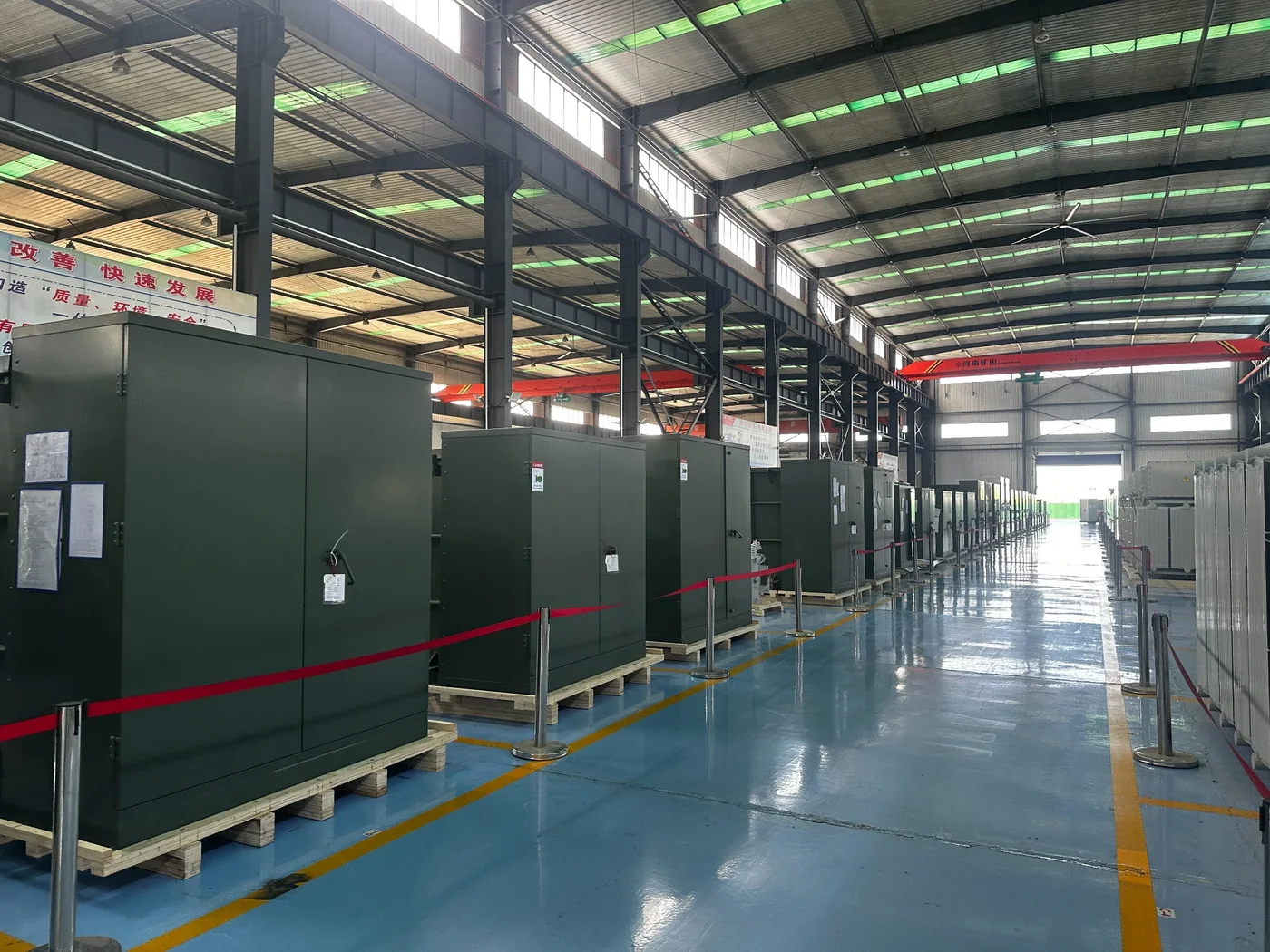
A pad-mounted transformer is not only a green metal cabinet placed on a concrete pad. In modern underground power distribution, it is the point where medium-voltage power is brought close to the load and then stepped down to a usable secondary voltage for buildings, communities and industrial equipment.
This is why pad-mounted transformers are common in commercial districts, residential communities, hospitals, schools, data centers, EV charging sites, industrial parks and renewable energy projects. They support cleaner site layout, safer public-area equipment arrangement and organized underground cable connection.
Key Takeaways
- Pad-mounted transformers support underground distribution by stepping medium voltage down near the load instead of carrying low-voltage power over long cable distances.
- They are normally installed on a concrete pad and housed in a locked, weather-resistant and tamper-resistant enclosure.
- Underground cable connection, HV/LV compartment separation, grounding, protection devices and cabinet design all contribute to public-area safety.
- Long service life depends on correct specification, corrosion-resistant enclosure design, cooling, bushings, fusing, surge protection, factory testing, installation and maintenance.
- For overseas projects, buyers should confirm voltage, kVA, phase, frequency, loop feed or radial feed, BIL, impedance, cable entry, utility requirements and documentation before ordering.
Why Underground Distribution Needs Pad-Mounted Transformers
In an underground distribution network, medium-voltage power can be carried through underground cables closer to the actual load area. The pad-mounted transformer then steps the voltage down near the building, campus, facility or site where power is needed.
This approach can reduce the distance of low-voltage cable runs, improve site organization and make the electrical layout more suitable for urban, commercial and public areas. It is different from long-distance transmission. A pad-mounted transformer does not replace transmission lines. Its role is to support medium-voltage distribution and local voltage transformation near the load.
What a Pad-Mounted Transformer Does in the Power System
The main function is voltage transformation. Primary underground cables bring medium-voltage electricity to the transformer. Inside the transformer, the core and coil assembly transfers electrical energy by electromagnetic induction and changes the voltage level. The low-voltage side then supplies the customer distribution system.
For example, a utility or project network may bring medium-voltage power to a commercial building area, and the pad-mounted transformer steps it down to the required secondary voltage for lighting, HVAC, elevators, pumps, refrigeration, chargers or industrial equipment. Final voltage design should always follow the local grid and project requirements.
How It Improves Public-Area Safety
Pad-mounted transformers are often used where equipment may be near people, vehicles, landscaping or building access routes. Their safety value comes from several design features working together.
- Locked enclosure: The live components are protected inside a tamper-resistant cabinet.
- Separated compartments: HV and LV compartments help organize utility-side and customer-side connections.
- Underground cable connection: Cable entry from below helps avoid exposed overhead conductors in public areas.
- Grounded cabinet and neutral connection: Proper grounding supports safe fault-current paths.
- Protection devices: Fuses, switches and surge arresters can be specified according to the project and utility requirement.
- Concrete pad and clearance planning: Correct placement helps preserve access, drainage, ventilation and maintenance space.
HV and LV Compartments Organize Cable Connection
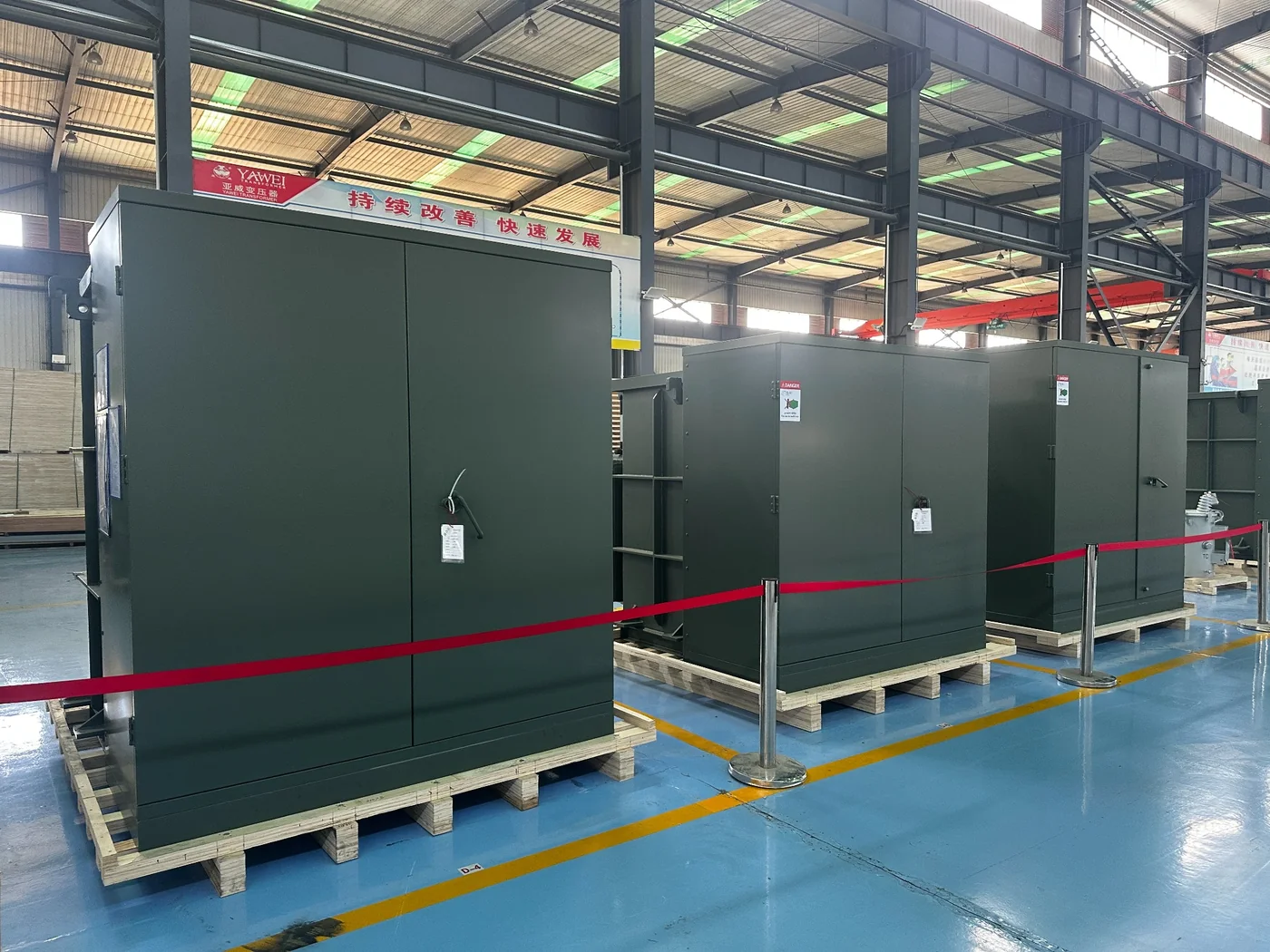
A typical pad-mounted transformer box has a high-voltage compartment and a low-voltage compartment. The high-voltage side may include primary bushings, elbow connections, load-break switches, bayonet fuses, current-limiting fuses and surge arresters. The low-voltage side may include secondary terminals, neutral connection, grounding points and sometimes a secondary switch or breaker depending on the specification.
This organized layout helps technicians inspect, connect and maintain the transformer more safely. It also helps buyers, EPC teams and utilities review whether the transformer layout matches the cable entry direction, number of cables, loop-feed or radial-feed arrangement and project installation drawing.
Loop Feed Supports Distribution Flexibility
Loop-feed pad-mounted transformers can be connected as part of a looped medium-voltage distribution circuit. This may allow utility crews to isolate a faulted cable section and restore service through another direction, depending on the actual network design and switching arrangement.
Radial-feed transformers are simpler and may be suitable for end-of-line service or non-critical loads. Loop feed is often preferred where service continuity, maintenance flexibility or utility operation requirements are more important. Buyers should confirm the local utility requirement before quotation.
What Supports Long Service Life and High Reliability
Long service life is not created by one component only. It depends on design, material, manufacturing, testing, installation and maintenance.
- Enclosure design: Outdoor cabinets should resist corrosion, moisture and mechanical impact according to the project environment.
- Sealed tank and insulating fluid: Oil-filled transformers require proper sealing, oil quality and cooling design.
- Bushings and terminals: Connection points should match voltage, current, cable arrangement and environmental conditions.
- Protection coordination: Bayonet fuses, current-limiting fuses, surge arresters and switches should match project requirements.
- Factory testing: Routine tests, inspection documents and project-specific reports help verify quality before shipment.
- Installation quality: Concrete pad levelness, grounding, cable termination, drainage, clearance and ventilation all affect long-term performance.
- Maintenance access: The transformer should remain accessible for inspection, infrared checks, oil review and future service.
Common Applications
Pad-mounted transformers are widely used where underground cable distribution, public-area safety and organized equipment layout are important.
- Residential communities and apartment complexes
- Commercial buildings and shopping centers
- Hospitals, schools and university campuses
- Hotels and resorts
- Data centers and AI power loads
- EV charging stations
- Industrial parks and factories
- Cold storage warehouses and food processing plants
- Solar, wind and microgrid projects
- Ports, container yards and transportation hubs
What Buyers Should Confirm Before Ordering
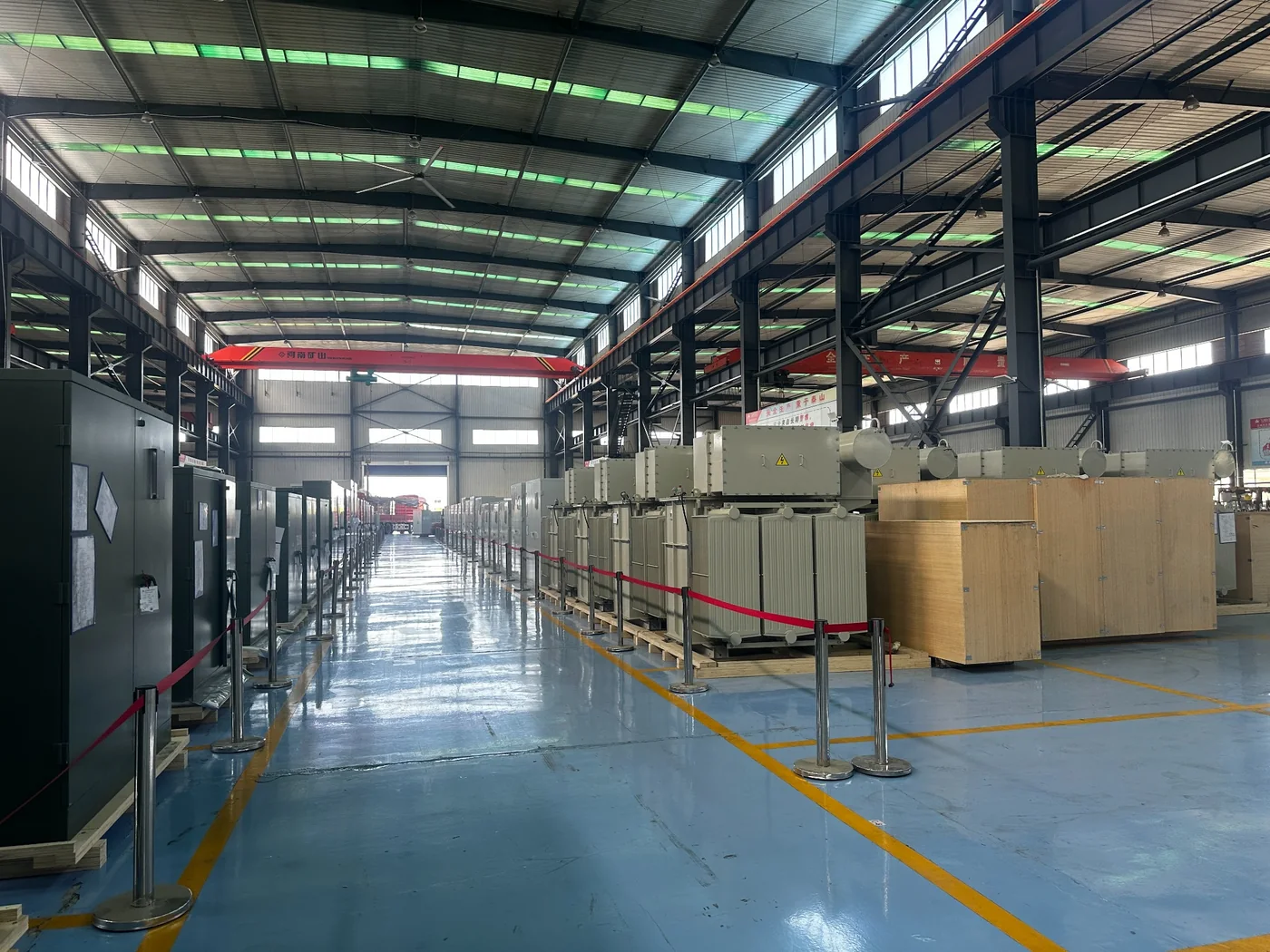
Before ordering a pad-mounted transformer for an underground distribution project, buyers should prepare enough technical information for supplier review. The following details help reduce quotation errors and redesign work.
- Project country or region and local utility requirements
- Application: commercial building, residential community, data center, EV charging, industrial site, renewable energy or other use
- Primary voltage, secondary voltage, phase and frequency
- Transformer capacity in kVA or MVA
- Loop feed or radial feed requirement
- Dead-front or live-front configuration if specified
- BIL, impedance and grounding requirement
- HV and LV cable entry direction and number of cables
- Required protection devices: bayonet fuse, current-limiting fuse, surge arrester or load-break switch
- Concrete pad drawing, site layout and clearance requirement
- Certificates, routine test reports, type test reports and factory inspection requirement
- Destination port, delivery schedule and packing requirement
How TransformerGrid and Jiangsu Yawei Support Project Review
TransformerGrid.com is the overseas information and inquiry website for Jiangsu Yawei Transformer Co., Ltd. For pad-mounted transformer projects, buyers can use TransformerGrid to prepare early technical communication before formal quotation.
If final drawings are not ready, buyers can still start with project country, major load information, expected voltage, approximate capacity, application scenario and any local utility documents. If drawings are available, sending the one-line diagram, layout drawing, transformer specification, old nameplate photo or utility requirement can make the review more accurate.
For product-level configuration, visit the Pad-Mounted Transformer product page. For a general explanation of types, components and applications, see the Pad-Mounted Transformer Guide.
FAQ
Is a pad-mounted transformer used for long-distance transmission?
No. It is mainly used in distribution networks. Medium-voltage power can be carried closer to the load through underground cables, and the pad-mounted transformer steps it down near the customer side.
Why are pad-mounted transformers common in underground distribution?
They combine underground cable connection, enclosed equipment layout, public-area safety, service access and local voltage transformation in one ground-mounted unit.
What makes a pad-mounted transformer safer in public areas?
A locked cabinet, separated compartments, grounded enclosure, underground cable entry, protection devices and proper concrete pad placement all contribute to safety.
What affects long service life?
Specification accuracy, enclosure quality, corrosion protection, cooling design, bushings, oil quality, protection devices, factory testing, installation and maintenance all matter.
Send Project Details for Pad-Mounted Transformer Review
For underground distribution projects, send voltage, kVA, phase, frequency, project country, utility requirements, cable entry direction, drawings, site layout and delivery schedule for review.