Transformer Bushing Reliability: Procurement, Inspection, Installation, Maintenance and RFQ Guide
A buyer-focused guide to transformer bushings, covering function, types, failure risks, procurement checks, storage, installation, maintenance, RFQ data and document requirements.
A transformer bushing is the insulated terminal structure that brings current from the internal winding connection to the outside circuit. It looks like a component on the transformer tank, but its job is much more important than a terminal post: it must conduct current, insulate the live conductor from the grounded tank, and keep transformer oil or the internal insulation system sealed from moisture and contamination.
For overseas transformer buyers, bushings should not be treated as a small accessory after the main transformer price is discussed. A wrong bushing selection, poor storage condition, damaged porcelain, poor sealing, weak terminal connection, wrong creepage distance or missing document requirement can affect transformer reliability, local utility approval and long-term operation.
Key Takeaways
- Transformer bushings perform three core functions: current conduction, insulation to ground and sealing against oil leakage or moisture ingress.
- Moisture, partial discharge, seal aging, surface pollution, loose terminals and overheating are common bushing risk factors.
- Procurement should confirm voltage class, rated current, BIL, creepage distance, terminal type, mounting size, oil compatibility, environment and local utility requirements.
- For 66 kV / 110 kV and higher spare bushings, storage position and oil immersion condition should follow manufacturer instructions. Long storage periods may require testing before installation.
- Installation should be performed in dry and clean conditions, with correct lifting, gasket sealing, diagonal bolt tightening and low-resistance electrical connection.
- For RFQ review, buyers should send bushing photos, transformer nameplate, drawings, dimensions, installation position, project country and required documents.
What a Transformer Bushing Does
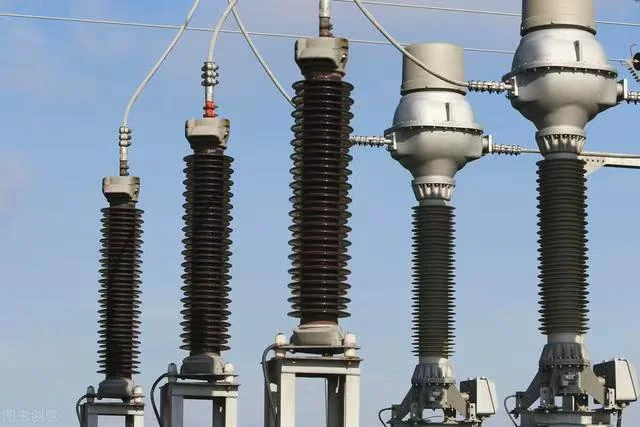
A transformer bushing has three main duties.
1. Current Conduction
The bushing provides a safe path for current to pass from the internal winding lead to the external conductor, cable, busbar or overhead line connection. The conductive rod, terminal pad or connection hardware must match the rated current and connection method. Poor terminal matching can increase contact resistance and create overheating at the connection point.
2. Electrical Insulation
The conductor inside the bushing is live, while the transformer tank is grounded. The bushing must maintain reliable insulation between them. Depending on voltage class and design, insulation may involve porcelain, oil, paper, resin, condenser grading layers or composite materials. BIL, creepage distance, pollution level and local utility requirements should be reviewed before ordering.
3. Sealing
For oil-immersed transformers, the bushing also helps keep transformer oil inside the tank and moisture outside. A cracked porcelain body, aged gasket, loose bolt, damaged seal or poor installation can allow oil leakage or water ingress. Moisture can reduce insulation strength and accelerate internal defects.
Main Transformer Bushing Types Buyers May Encounter
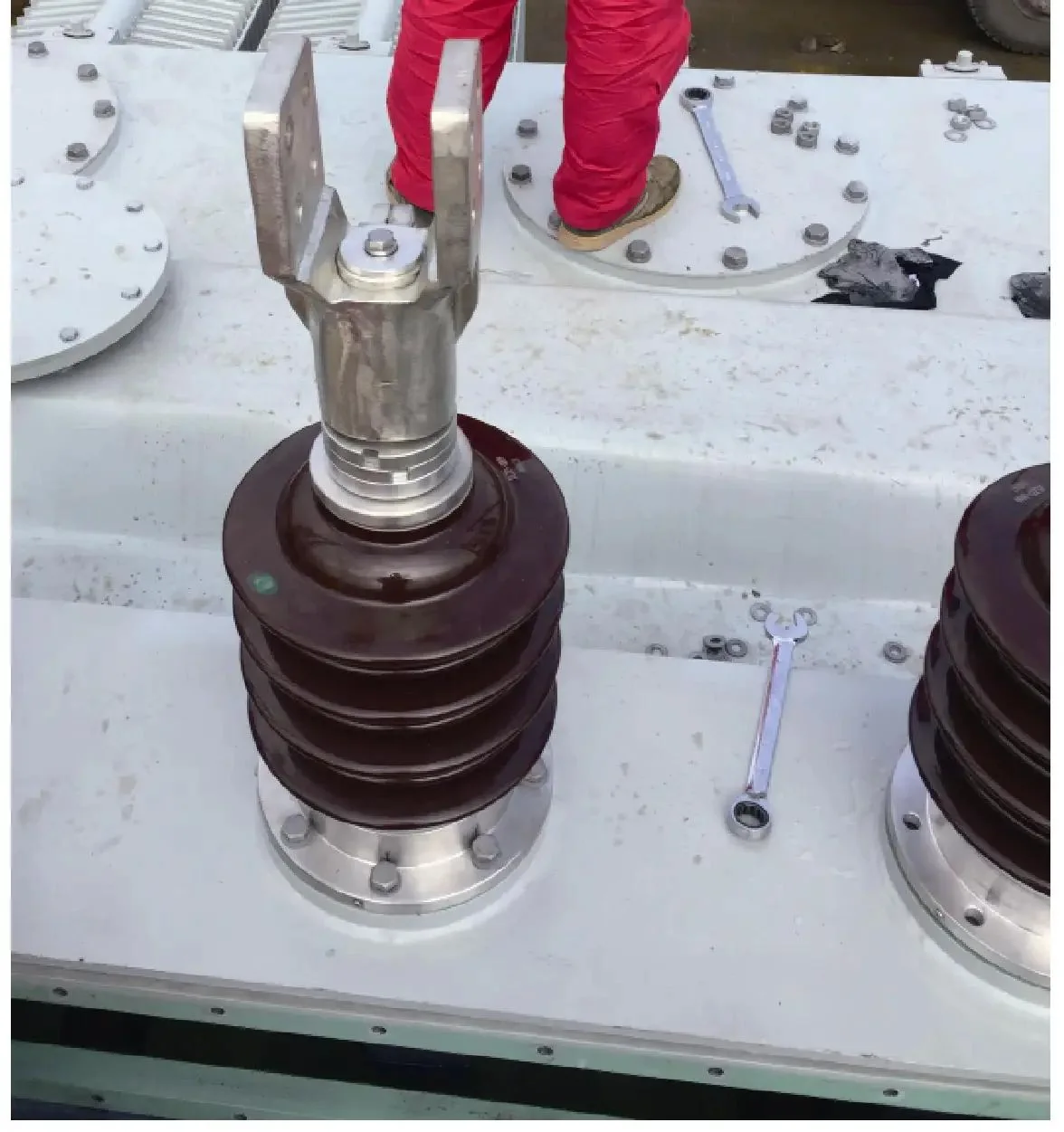
Bushing design depends on transformer type, voltage class, service environment and utility practice. The following categories are useful for RFQ communication, but final selection should follow the transformer design and applicable standard.
Porcelain Bushings
Porcelain bushings are common on distribution transformers and many oil-immersed transformers. The external shed profile increases creepage distance and helps control surface insulation performance. They are simple and widely used, but porcelain is brittle and must be protected during transport, storage and installation.
Oil-Filled Bushings
Oil-filled bushings use insulating oil as part of the insulation system. They require correct oil level, reliable sealing and proper handling. For stored spare bushings, the oil condition and whether the internal insulation remains properly immersed can become important before installation.
Condenser or Capacitive Bushings
Condenser bushings use capacitance grading layers to improve electric field distribution. They are commonly used at higher voltage levels. Their condition is often evaluated through capacitance, dielectric loss and partial discharge-related tests. For serious procurement, type test documents and routine test expectations should be discussed at the RFQ stage.
RIP and Composite Bushings
Resin impregnated paper (RIP) bushings and composite bushings may reduce oil-related leakage risk and improve performance in certain applications. Composite sheds, often using silicone rubber, may be helpful in polluted, coastal or high-contamination environments. The correct selection depends on voltage, environment, utility rules and project preference.
Common Transformer Bushing Failure Risks
Transformer bushing failures can come from the bushing itself, poor installation, aging seals, external environment or poor maintenance. The following risks should be considered before ordering and during operation.
Moisture Ingress
Moisture is one of the most serious enemies of bushing insulation. It may enter through porcelain micro-cracks, aged gaskets, poor sealing, wrong storage position, damaged oil system or improper installation. Once moisture reaches internal insulation, dielectric strength may drop and partial discharge risk may increase.
Partial Discharge
Partial discharge may occur inside voids, interfaces or weakened insulation areas. If not detected and controlled, it can slowly carbonize insulation material and develop into a more serious insulation failure. For higher-voltage bushings, partial discharge testing and monitoring may be part of condition review.
Seal Failure and Oil Leakage
Seal failure can occur at the top cap, gasket, flange, oil chamber or connection area. Aging rubber, insufficient bolt pressure, excessive torque, incorrect gasket material or mechanical damage can lead to leakage. Oil leakage is not only a cleanliness issue; it may also indicate moisture entry or reduced insulation reliability.
Surface Pollution and Flashover
Dust, salt, industrial pollution, bird droppings and moisture can reduce surface insulation performance. In coastal or polluted areas, insufficient creepage distance may lead to surface tracking or flashover. Outdoor transformers should consider pollution level, shed design, RTV coating or additional creepage protection if required.
Terminal Overheating
Loose terminals, oxidized contact surfaces, wrong copper-aluminum transition, insufficient contact area or poor torque can create heating. During installation, the contact surface should be cleaned and matched correctly. Conductive compound may be used where appropriate to reduce contact resistance.
Procurement and Storage Measures to Reduce Bushing Risk
Reliability begins before the bushing arrives at site. Procurement and storage requirements should be clear, especially for high-voltage spare bushings or replacement projects.
Ask for the Right Documents During Procurement
For higher-voltage or project-critical bushings, buyers should ask the manufacturer to confirm applicable type test reports, routine test reports, oil sampling method, oil filling or topping method, installation instructions and storage requirements. The required documents depend on bushing type, voltage class, project standard and local utility requirements.
Store Spare Bushings Correctly
For 66 kV / 110 kV and above spare bushings, vertical storage is often required or preferred according to manufacturer instructions. If horizontal storage is allowed, the lifting angle and oil immersion condition should follow the manufacturer’s requirement so the condenser core or internal insulation does not become exposed to air.
Retest Long-Stored Bushings When Needed
If a bushing has been stored for more than one year and the buyer cannot confirm that the internal insulation or condenser core has remained properly immersed in oil, testing before installation should be discussed. Depending on voltage class and bushing design, this may include partial discharge testing, dielectric loss testing at rated voltage and oil chromatographic analysis.
Inspection Before Installation
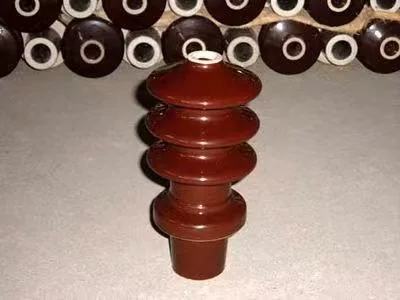
Before installation, the bushing should be checked carefully. This step is especially important for replacement projects, overseas shipping projects and long-stored spare bushings.
- Visual inspection: Check porcelain or composite sheds, flange, gasket, oil level, terminal, nameplate, packaging damage and signs of leakage.
- Standing leakage check: For oil-filled bushings, after placing the bushing upright according to instructions, confirm that the oil level is normal and that no oil leakage appears after a suitable observation period.
- Electrical testing: Dielectric loss and capacitance tests can help compare the current condition with factory values or historical records. If values are abnormal, internal insulation review is required before installation.
- Installation environment: Installation should be performed in clean, dry and calm weather conditions where possible. Rain, dust and moisture increase contamination risk.
Correct Installation Practices
A good bushing can still fail early if it is installed carelessly. The installation method should follow the manufacturer’s drawings and instructions.
Protect the Porcelain or Composite Housing
Bushings must be lifted, supported and positioned carefully. Porcelain pieces can be damaged by impact or uneven force. Do not use the terminal as a lifting point unless the manufacturer explicitly allows it.
Tighten Bolts Evenly
Flange bolts should be tightened slowly and evenly, often in a diagonal sequence. Excessive torque can damage porcelain, flange surfaces or gaskets. Insufficient torque can cause leakage or poor sealing. A standard wrench or torque-controlled method should be used according to instructions.
Maintain Reliable Sealing
Use proper gasket material and confirm that the sealing surface is clean, flat and correctly positioned. If an old gasket has aged, hardened or deformed, replacement should be considered. Preventing water entry is one of the most important reliability measures.
Optimize Electrical Connection
For copper-aluminum transition connections, the contact design should reduce galvanic corrosion and oxidation risk. Contact surfaces should be cleaned, matched and tightened properly. Conductive grease or compound may be used where applicable to reduce contact resistance and heating.
Operation, Monitoring and Maintenance
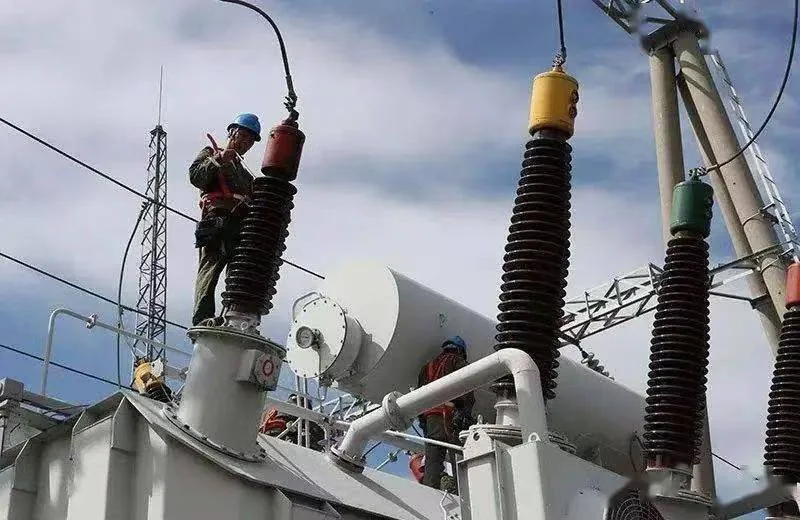
Because internal bushing damage is often difficult to repair, preventive monitoring matters more than emergency repair. A maintenance plan should be adapted to voltage class, transformer importance, environment and utility practice.
Routine Visual Inspection
Operators should regularly check oil level, leakage, cracks, surface contamination, flashover marks, terminal discoloration and abnormal sound. Any oil level abnormality or leakage should be investigated promptly.
Infrared Thermography
Infrared inspection can identify overheated terminals, poor connections and abnormal temperature differences. If oil level or terminal temperature appears abnormal, follow-up testing should be arranged.
Oil Sampling and Dissolved Gas Review
For oil-filled bushings and oil-immersed transformers, oil sampling may help detect moisture, aging or abnormal gas generation. If acetylene or other abnormal gases appear in related transformer oil analysis, further investigation may be required.
Dielectric Loss and Capacitance Trend
For condenser bushings, periodic dielectric loss and capacitance measurement can be compared with factory values and historical data. Trend changes are often more useful than one isolated number.
Test Tap or End Shield Grounding
When the test tap, measuring tap or end shield grounding point is disconnected and reconnected, the grounding condition should be confirmed. Poor grounding can create serious risk. If the grounding terminal structure is unreliable, improvement should be discussed during maintenance.
External Anti-Pollution Measures
If the external insulation pollution level is not sufficient for the site, additional shed protection, RTV coating or other anti-pollution measures may be considered. This is especially relevant for coastal, industrial, desert, humid or polluted environments.
RFQ Checklist for Transformer Bushing Procurement or Replacement
For new transformer orders, replacement bushings or spare part review, overseas buyers should send enough information for technical confirmation. The following checklist helps reduce back-and-forth communication.
- Transformer type: oil-immersed, dry-type, pad-mounted, pole-mounted, power transformer or compact substation.
- Project country or region and local utility requirements if available.
- Transformer nameplate photo and bushing nameplate photo if replacing an existing bushing.
- Voltage class, rated current, BIL and frequency.
- HV or LV position, phase arrangement and installation location on the tank.
- Porcelain, oil-filled, condenser, RIP or composite bushing preference if specified.
- Creepage distance, pollution level, indoor / outdoor environment and altitude if specified.
- Terminal type, thread size, pad size, cable or busbar connection method.
- Mounting dimensions, flange dimensions, gasket size and oil-side insertion length.
- Photos showing cracks, oil leakage, flashover marks, terminal overheating or installation constraints.
- Required documents: drawings, type test reports, routine test reports, certificates, inspection reports and packing requirements.
- Target delivery schedule and destination port if known.
How TransformerGrid.com Helps Overseas Buyers Prepare Bushing RFQs
TransformerGrid.com is the overseas information and inquiry website for Jiangsu Yawei Transformer Co., Ltd. Buyers can use the website to prepare transformer RFQ information, including bushing requirements, replacement photos, nameplate information, drawings, document requests and local utility comments.
For a new transformer order, bushing requirements should be reviewed together with the full transformer specification. For a replacement project, photos, dimensions and nameplates are usually essential. For higher-voltage or utility-related projects, documentation and test requirements should be discussed before quotation.
Serious overseas buyers, distributors, EPC teams and procurement teams are welcome to arrange factory verification or third-party inspection by appointment when the project requires supplier review.
FAQ
Can a transformer bushing be selected only by voltage?
No. Voltage is only one factor. Rated current, BIL, creepage distance, insulation structure, terminal type, mounting dimension, oil system, environment and local utility requirements may also matter.
What information is most useful for replacing an old bushing?
Send clear photos of the old bushing, transformer nameplate, bushing nameplate, terminal connection, mounting flange, oil leakage or damage area, and any available drawings or dimensions.
Should bushings be checked before installation?
Yes. Visual inspection, oil level check, leakage observation and electrical tests may be required depending on voltage class, storage condition and project standard.
Are composite bushings always better than porcelain bushings?
Not always. Composite bushings may offer advantages in some polluted or coastal environments, but final selection depends on voltage, mechanical requirement, utility preference, standard, cost and project environment.
Can TransformerGrid help with only bushing replacement?
Buyers can send replacement information for review. Depending on the situation, the discussion may involve a replacement bushing, transformer repair support, spare parts or a complete transformer replacement plan.
Send Bushing Photos or Transformer RFQ Details
If you need to confirm transformer bushing requirements, send photos, nameplates, drawings, voltage, current, BIL, dimensions, project country and local utility requirements for review.