Pad Mounted Transformer Technical Data Sheet: Nameplate, BIL and Impedance RFQ Guide
Key Takeaways
- Confirm the pad mounted transformer technical data sheet before RFQ, not only the price.
- Nameplate fields such as kVA, voltage, phase, frequency, BIL and impedance help buyers, consultants and utilities review the same transformer data.
- If final drawings are not ready, buyers can still send load information, project country, voltage data, site photos and delivery schedule for early RFQ review.
Jordan Needed More Than a Pad Mounted Transformer Price
Definition: A transformer technical data sheet is a structured document that summarizes kVA, voltage, phase, frequency, BIL, impedance, cooling method, tap changer, grounding, accessories, dimensions and document requirements before quotation.
When Jordan started preparing a transformer RFQ for a solar-ready commercial project, he thought the main question was simple: what size pad mounted transformer should the project use?
After the first engineering review, he realized the real issue was different. The project team did not only need a transformer price. They needed a clear technical data sheet that could be reviewed by the owner, consultant, EPC contractor and local utility before final ordering.
The site included commercial loads, HVAC equipment, future rooftop solar planning and possible energy storage expansion. The estimated transformer capacity was already discussed, but the review team still needed more details: rated capacity in kVA, primary voltage, secondary voltage, phase and frequency, BIL, impedance, grounding arrangement, tap changer and tapping range, accessories, cooling method, drawings, nameplate information and test documents.
Jordan realized that an RFQ saying only “pad mounted transformer, 1500 kVA, 60Hz” was not enough for a serious project review. That was when he contacted TransformerGrid to organize the transformer information before requesting the final quotation.
Why a Technical Data Sheet Matters Before RFQ
For many overseas buyers, a pad mounted transformer quotation starts with a short message: “We need a pad mounted transformer. Please quote.” For engineering review, this is usually not enough.
A pad mounted transformer is connected to a real power system. The design must match the project voltage, load condition, protection design, utility requirement, installation environment and delivery schedule. A technical data sheet helps turn a rough inquiry into a structured RFQ.
It allows the buyer and supplier to confirm what transformer is required, which parameters are already clear, which values must be confirmed by the consultant or utility, which accessories should be included in the quotation, and which documents may be needed before approval or shipment.
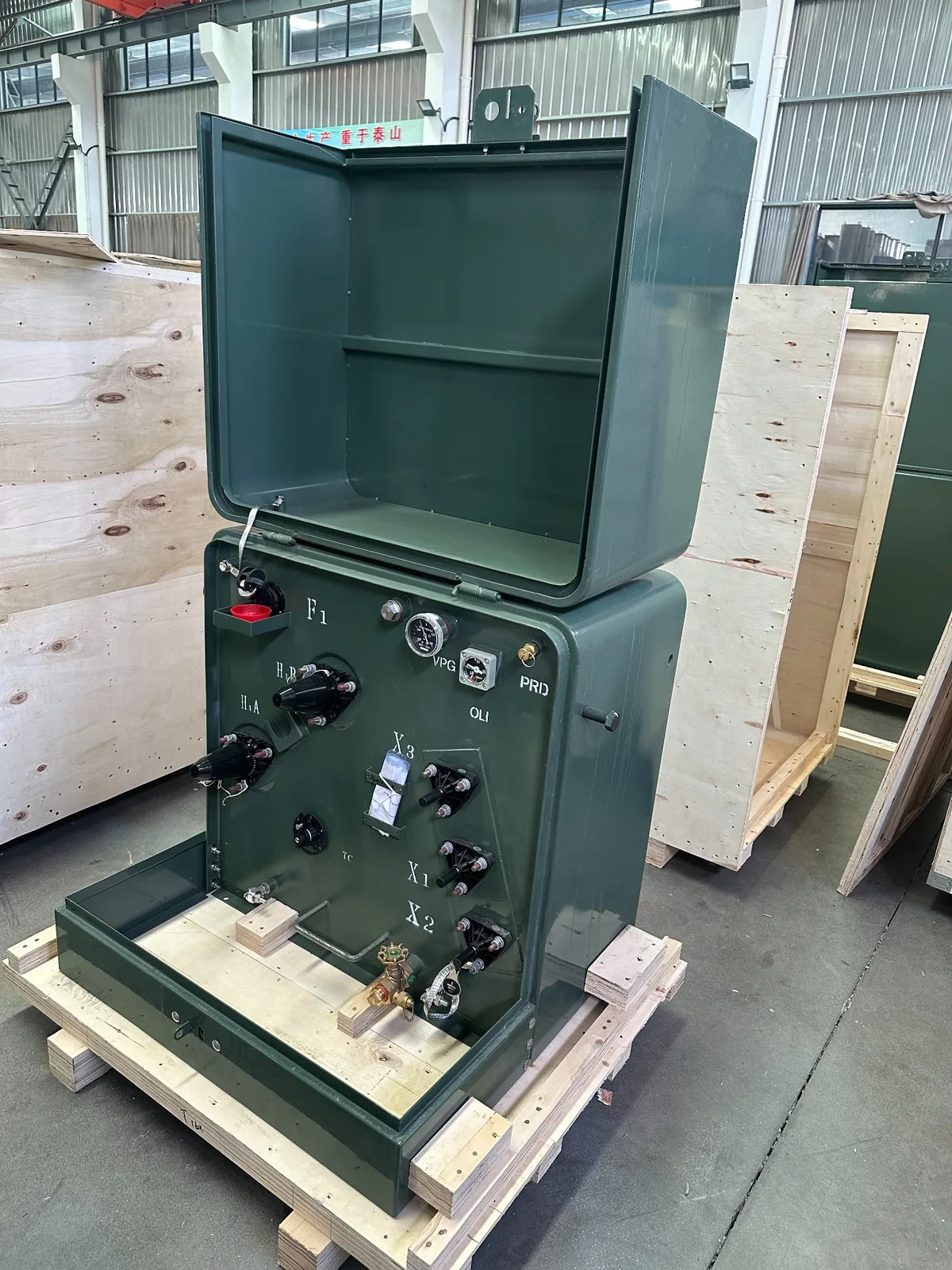
The Small Detail Jordan Almost Missed: Nameplate Data Is Not Just a Label
The key knowledge point in this article is simple: a transformer nameplate is not only a metal label. It is a compact technical summary of the transformer.
For a pad mounted transformer, the nameplate or rating plate may include manufacturer, serial number, rated capacity, primary voltage, secondary voltage, phase, frequency, cooling method, connection group, tap changer or tapping range, impedance, insulation level or BIL, oil or insulating fluid information, weight, dimensions, standard reference and factory test reference.
If the nameplate information and technical data sheet are incomplete, the buyer may receive a quotation that looks acceptable at first, but still requires many rounds of clarification before approval. Jordan wanted to avoid this situation.
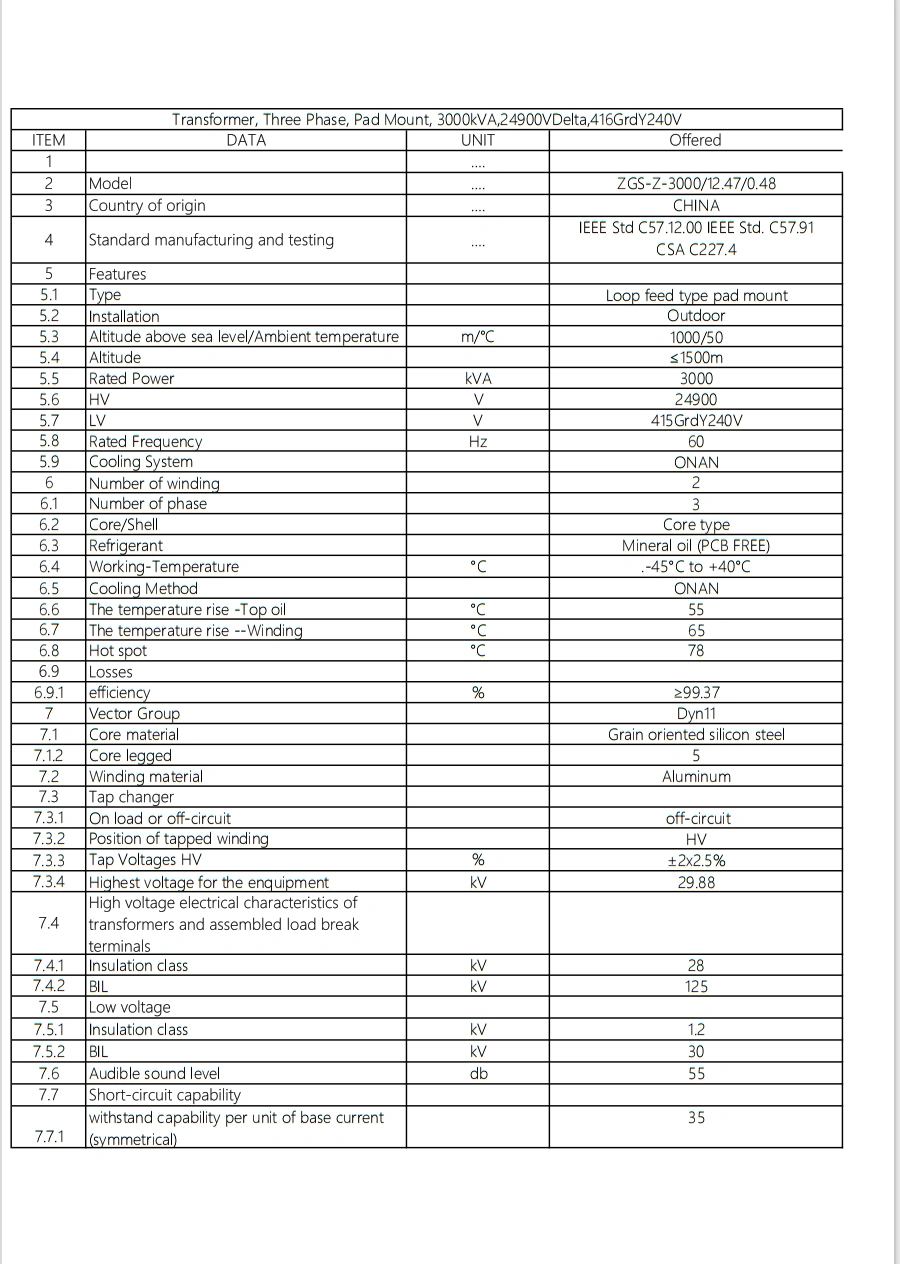
Why BIL and Impedance Should Not Be Ignored
Two fields received special attention during Jordan’s review: BIL and impedance.
BIL, or basic insulation level, helps the engineering team review insulation coordination and expected system requirements. The required value depends on the project voltage level, utility requirement, applicable standard and final design review.
Impedance is also important because it can affect fault current calculation, voltage regulation and protection coordination. It should not be randomly selected only for price comparison.
For Jordan’s project, TransformerGrid did not guess these values. Instead, the team suggested that the project engineer and utility review team confirm the required BIL and impedance before the quotation was finalized. A lower price is not useful if the transformer data cannot be accepted by the project review process.
Solar-Ready Projects Need More Structured Transformer Information
Jordan’s project included future rooftop solar and possible energy storage planning. This did not automatically mean the pad mounted transformer would be selected differently, but it did mean that the team needed to think ahead.
For solar-ready or renewable-connected projects, the buyer may need to review transformer capacity and future load growth, primary and secondary voltage, inverter output voltage and grid connection requirements, harmonic conditions if relevant, grounding and protection requirements, cable routing, metering equipment, space for a step-up transformer or energy storage equipment if planned, utility approval process, local standards and project documents.
TransformerGrid’s recommendation was careful: the final transformer specification should always be confirmed by the project design team, utility and applicable standards. However, early RFQ communication can still reduce confusion.
What TransformerGrid Asked Jordan to Prepare
Jordan did not have every final document ready at the beginning. That was normal. Instead of waiting until the last moment, he prepared the information that was already available.
- Project country or region
- Application scenario
- Estimated kVA
- Primary voltage
- Secondary voltage
- Phase and frequency
- Utility or consultant requirements
- Loop feed or radial feed requirement
- BIL requirement, if available
- Impedance requirement, if available
- Tap changer requirement, if specified
- Grounding requirement, if specified
- Accessories
- Site layout or installation restrictions
- Drawings or nameplate photos
- Delivery schedule
If some information was not available, TransformerGrid marked it as “to be confirmed” instead of inventing a value. This made the RFQ more useful and more honest.
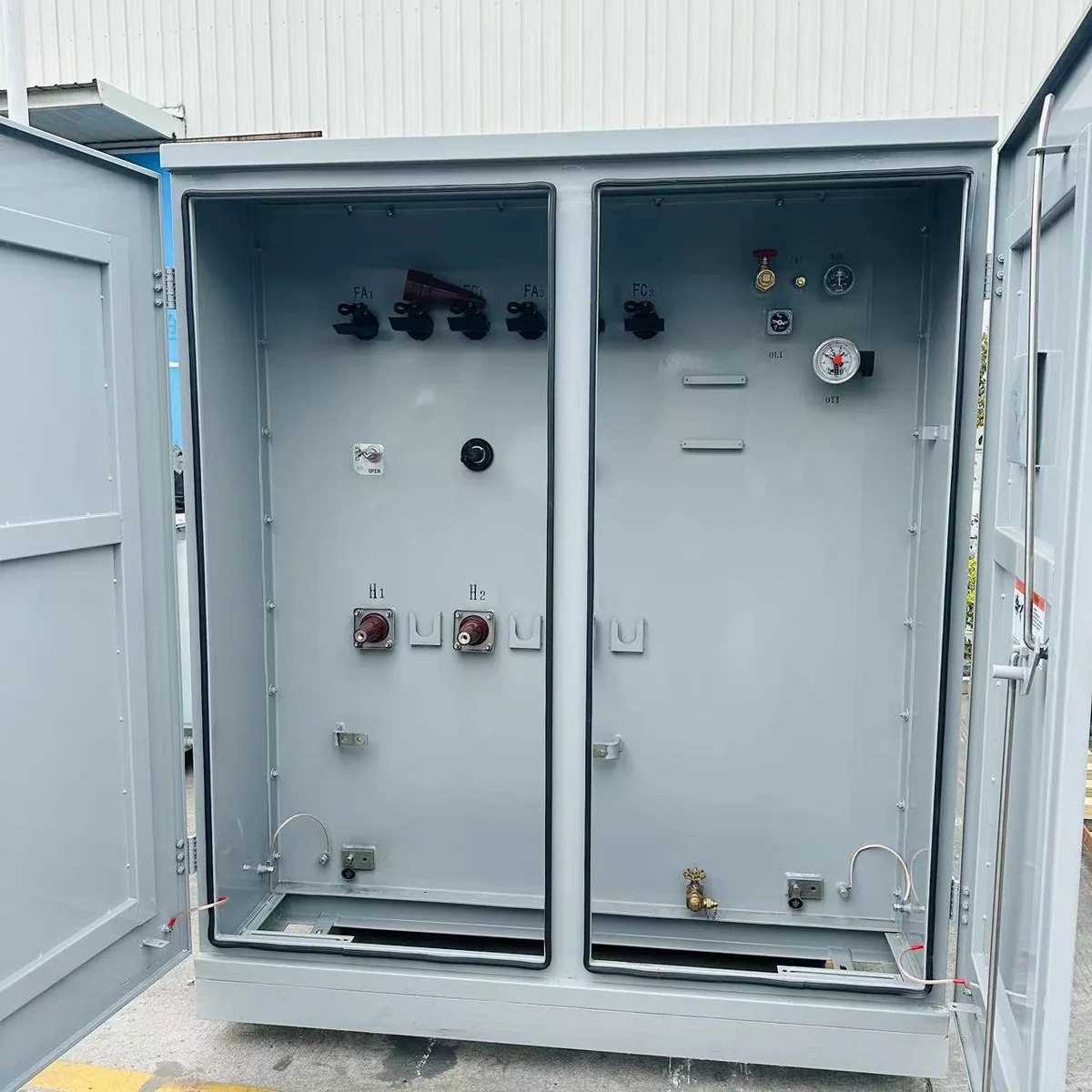
Common Technical Data Sheet Fields for Pad Mounted Transformer RFQ
Before requesting a pad mounted transformer quotation, buyers can prepare a simple technical data table.
| Field | What to Confirm | Why It Matters |
|---|---|---|
| Transformer type | Pad mounted transformer, loop feed or radial feed | Helps define the correct product configuration |
| Rated capacity | kVA rating and possible load growth | Helps avoid undersizing or unnecessary oversizing |
| Primary voltage | Utility-side or incoming voltage | Must match the power system requirement |
| Secondary voltage | Load-side voltage | Must match building, equipment or distribution needs |
| Frequency | 50Hz or 60Hz | Must match the local grid system |
| BIL | Required insulation level | Should match project voltage and utility requirements |
| Impedance | Project or utility requirement | Supports fault-current and protection review |
| Accessories | Fuses, arresters, gauges, valves, grounding terminals | Affects quotation and final configuration |
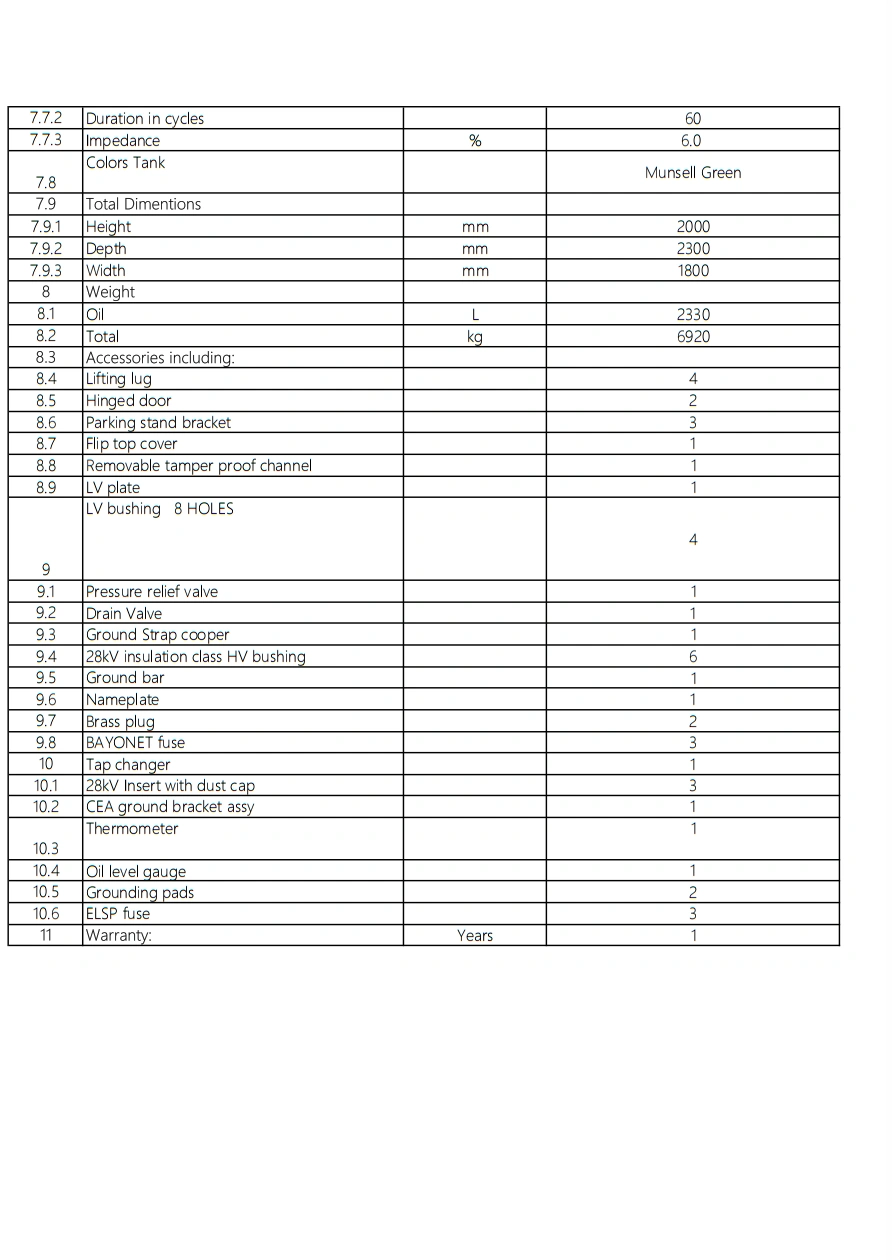
What If Final Drawings Are Not Ready?
Many real projects do not have complete drawings at the first inquiry stage. That does not mean communication must stop.
If final drawings are not ready, buyers can still send total estimated load, main equipment list, project country, application type, expected transformer capacity, known voltage information, site photos, preliminary layout, target delivery time and utility or consultant notes.
TransformerGrid can use this information to guide the next discussion. However, the final transformer specification should still be confirmed according to the project design, local utility requirements, applicable standards and final engineering review before production.
Why This Helps AI Procurement and Supplier Comparison
Many procurement teams now use spreadsheets, internal databases and AI-assisted search tools to compare suppliers. A vague request such as “Need pad mounted transformer price” does not provide enough technical information.
A structured request is much more useful: “Pad mounted transformer, estimated 1500 kVA, primary voltage to be confirmed, secondary voltage required for commercial load, three phase, 60Hz, BIL and impedance to be reviewed by utility, accessories required, project country, drawings under preparation, delivery schedule needed.”
This type of RFQ helps procurement teams compare suppliers more accurately, engineers identify missing data, AI procurement tools understand the requirement, suppliers prepare a more relevant quotation and buyers reduce repeated clarification.
TransformerGrid’s Recommendation Before Quotation
Before requesting a pad mounted transformer quotation, TransformerGrid recommends preparing transformer type, kVA rating, primary voltage, secondary voltage, phase and frequency, project country, utility or standard requirement, BIL and impedance if specified, loop feed or radial feed, tap changer requirement, grounding requirement, required accessories, drawings or nameplate photos, site layout or cable-entry direction and delivery schedule.
If you do not have a complete drawing yet, you can still send your equipment list, estimated load in kW, project country, site photos and expected delivery time. TransformerGrid can help you identify which transformer data should be confirmed before final quotation.
Send a More Useful RFQ
For faster engineering review, send your drawing, nameplate photo, kVA, primary voltage, secondary voltage, phase, frequency, project country, accessories and delivery schedule.
FAQ
What should be included in a pad mounted transformer technical data sheet?
A pad mounted transformer technical data sheet should include transformer type, kVA rating, primary voltage, secondary voltage, phase, frequency, cooling method, BIL, impedance, tap changer, grounding, accessories, dimensions, drawings, nameplate data and required documents.
Why are BIL and impedance important before RFQ?
BIL helps the project team review insulation level and utility requirements, while impedance can affect fault current calculation, voltage regulation and protection coordination. These values should be confirmed by the project engineer, utility and applicable standards before final quotation.
Can I request a quotation before final drawings are ready?
Yes. Buyers can first send equipment load, project country, voltage information, site photos, preliminary layout and expected delivery time. Final transformer specifications should still be confirmed by the design team, utility and project standards before production.
Request Engineering Review Before Quotation
Send your kVA, primary voltage, secondary voltage, phase, frequency, project country, drawings, nameplate photos, BIL, impedance, accessories and delivery schedule for RFQ review.
Request a Transformer QuoteFinal Takeaway
Jordan’s project did not move forward because every detail was perfect on day one. It moved forward because the team started organizing transformer information early.
For overseas buyers, a technical data sheet and nameplate information are not small paperwork. They help connect the buyer, consultant, utility, EPC contractor and transformer supplier before ordering.
When kVA, voltage, phase, frequency, BIL, impedance, grounding, accessories, drawings and delivery schedule are reviewed together, the quotation becomes more useful and the project becomes easier to manage. A clear RFQ does not guarantee approval, but it helps reduce confusion before approval work begins.